
Our National Anthem
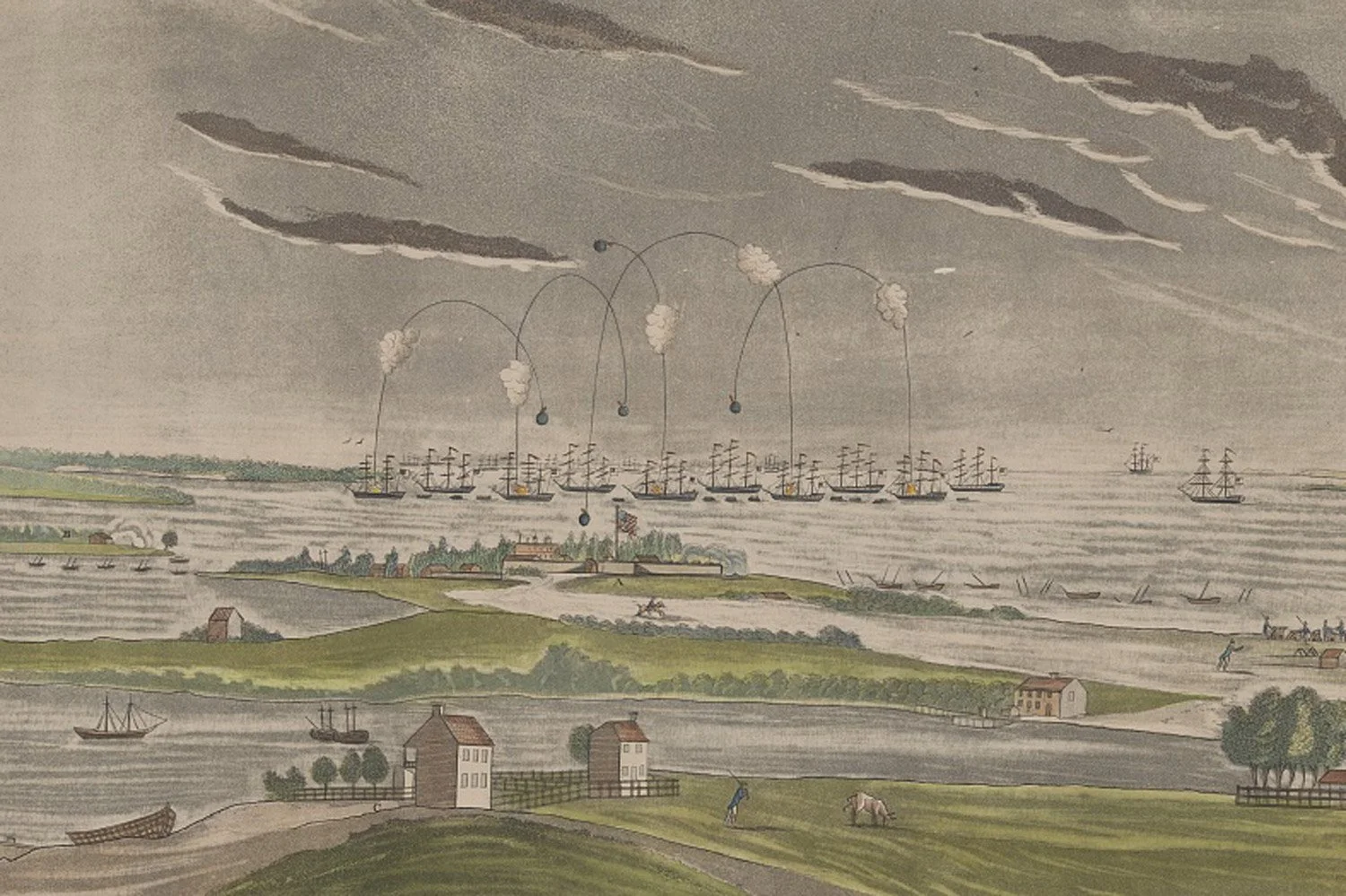
The Star-Spangled Banner, our national anthem, is a beautiful song written by Francis Scott Key the day after the bombardment of Fort McHenry in Baltimore Harbor by British forces during the War of 1812. This assault followed the capture and burning of Washington, DC by the British. Clearly, our nation was in peril. Key was being held prisoner aboard the British ship Minden when the attack began. Key knew losing Fort McHenry and Baltimore would be disastrous for America and wondered if this land of the free and home of the brave could survive the war with England.
Tom Hand, creator and publisher of Americana Corner, discusses Francis Scott Key and the the Star-Spangled Banner, our national anthem. Discover the inspiration behind the song and why it still matters today.
Images courtesy of Yale University Art Gallery, Library of Congress, Naval History and Heritage Command, Walters Art Museum, Maryland Center for History and Culture, Wikipedia.


Francis Scott Key managed to become a prisoner of war due to the oddest circumstances. Doctor William Beanes was a 65-year-old physician from Upper Marlboro who had hosted General Robert Ross and Admiral George Cockburn one night on their advance towards Washington. But after playing host, Beanes helped capture several British stragglers as Ross's army was returning to the fleet. Upon learning of Beanes’ actions, Ross was furious at what he considered a breach of faith and sent a troop of British horsemen to take the good doctor into custody. Beanes was thrown into the brig aboard HMS Tonnant and there he remained as the British approached Baltimore.