
Browse Videos by Category

Colonial Era
American Revolution

The New Nation

National Expansion and Reform

Civil War and Reconstruction (Coming Soon)
War of 1812, Part 28: Privateers Take on the British
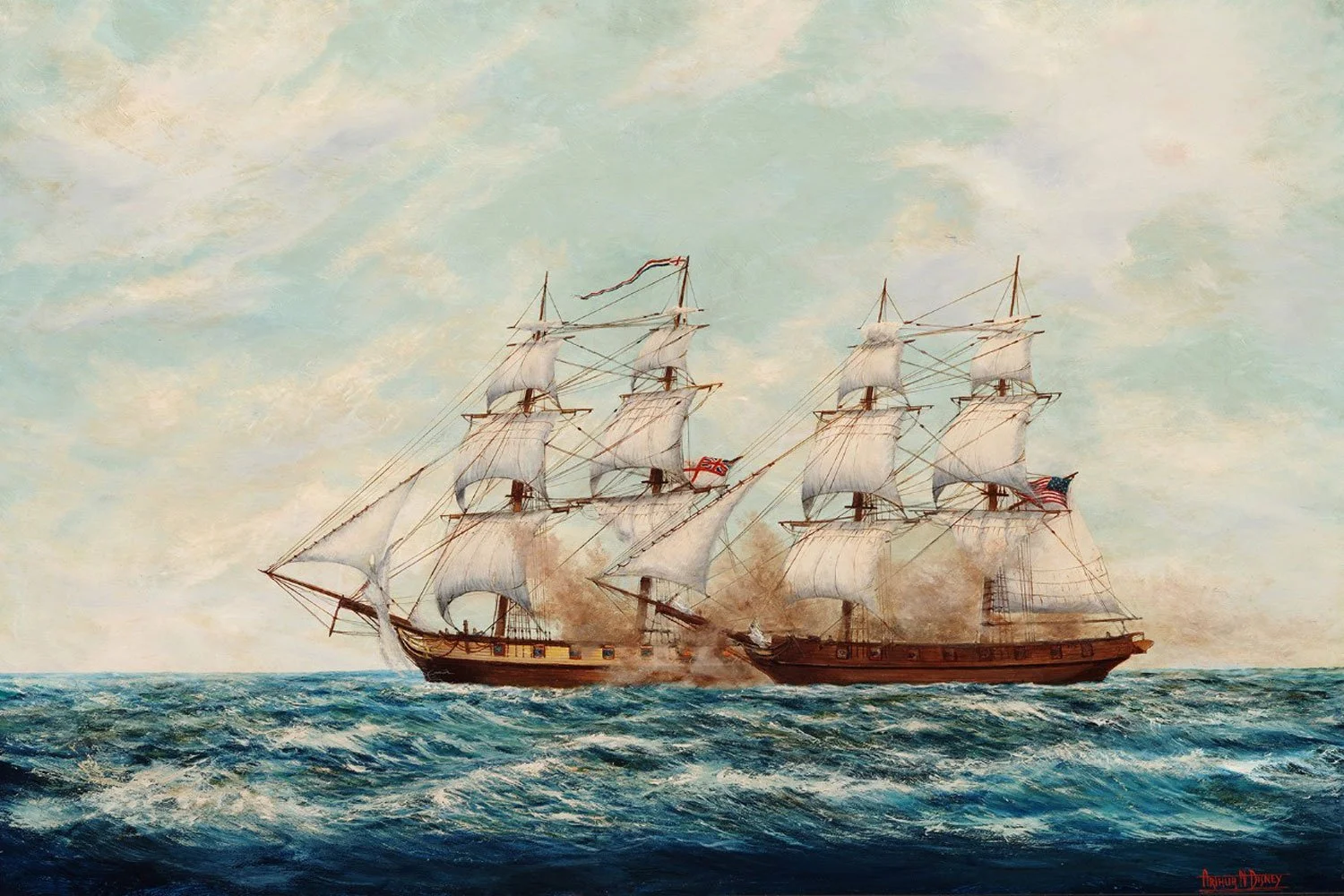
America’s relatively small navy left President James Madison few offensive options with which to strike the British. Consequently, his administration waged war against the very thing that Great Britain held most dear and attacked its merchant fleet from the West Indies to the English Channel. This fight was undertaken primarily by privateers, ships that were owned and equipped by private citizens but authorized by the government to plunder vessels from enemy nations. The most successful privateer ship was a two-masted schooner built for speed and agility but armed heavily
enough to be a formidable fighter. Known as Baltimore Clippers, they could capture any merchant ship they wanted but were fast enough to escape from any ship they could not overpower.

War of 1812, Part 27: United States Suffers Under British Blockade
The United States Navy enjoyed some remarkable successes at the start of the War of 1812, including winning all three single ship engagements with Royal Navy frigates. But in February 1813, the British began a blockade of the Delaware and Chesapeake Bays, and Admiral John Warren, commander of the North American squadron, extended the blockade to all other ports except those in New England. As goods and crops piled up on wharves, local prices fell dramatically and merchants and farmers suffered financial hardships. Besides the American merchant fleet, national warships suffered as well, and, by the end of 1814, the US Navy had been essentially swept from the sea.
War of 1812, Part 26: The Battle of Valparaiso
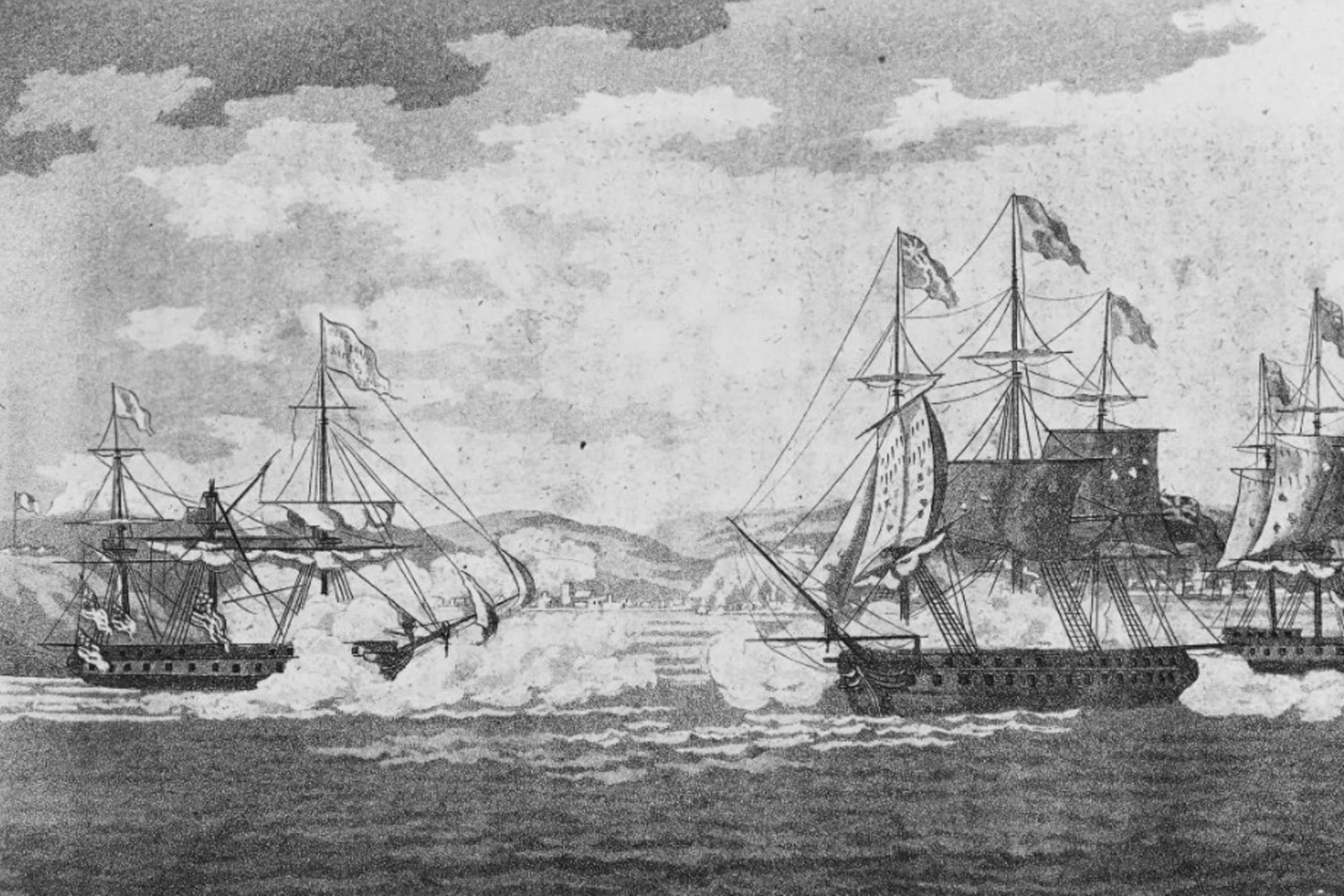
In August 1813, Captain David Porter aboard the USS Essex sailed for the Washington Islands, an archipelago 3,000 miles southwest of the Galapagos, to find more British whalers to capture and, more importantly, to repair the vessel far away from the Royal Navy. With his ships refitted, Porter sailed from Nukahiva and arrived at Valparaiso in February 1814, and five days later, Royal Navy ships HMS Phoebe and HMS Cherub arrived as well. Captain James Hillyer, commander of Phoebe, asked Porter to surrender to the stronger British squadron, but Porter would have none of it, replying, “You shall never take my ship without fighting for her.”
War of 1812, Part 25: The Cruise of USS Essex
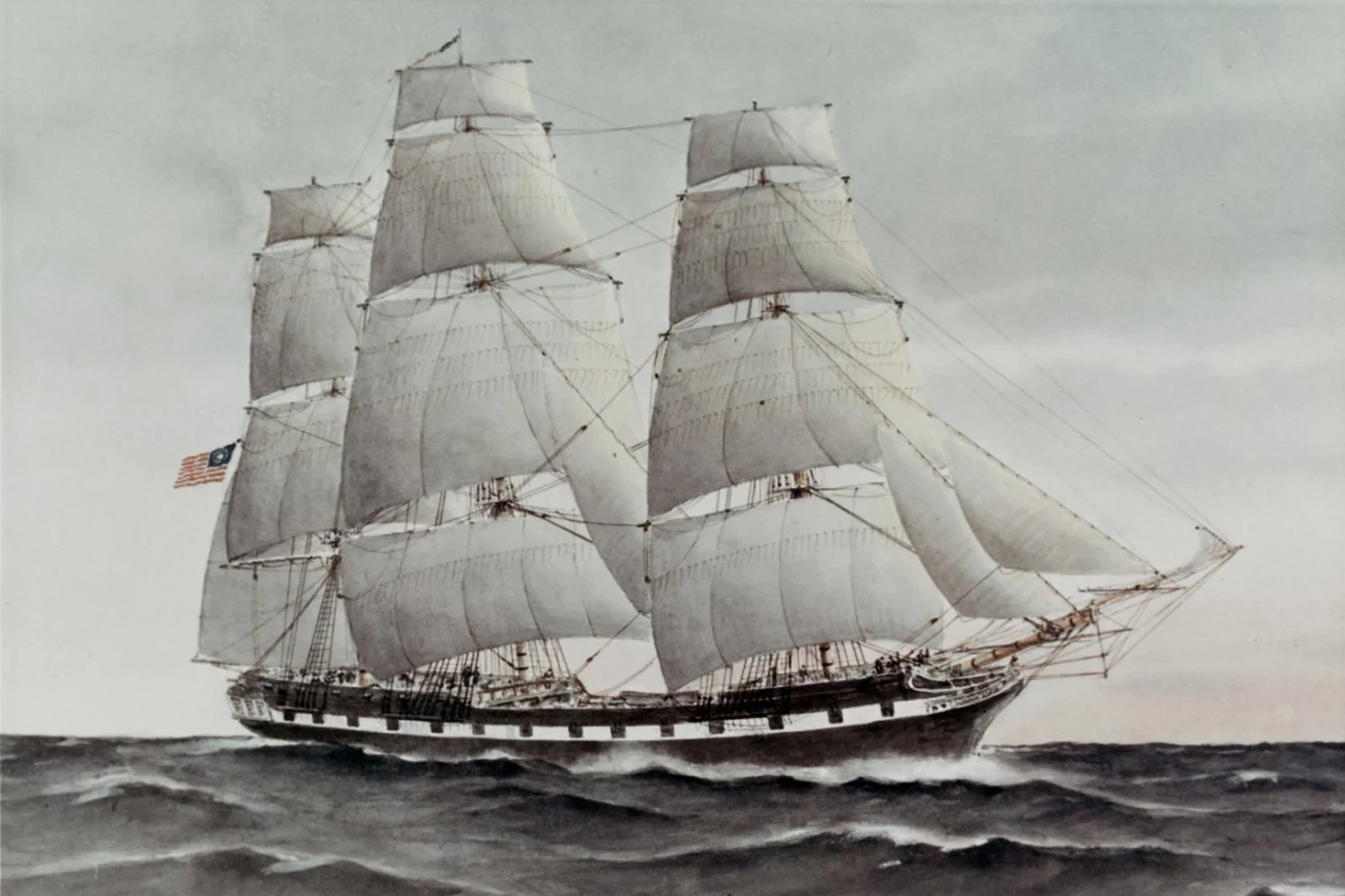
The longest cruise of a United States Navy ship during the War of 1812 was that of the USS Essex, a frigate built and paid for in 1799 during a wave of patriotic fervor by the citizens of Essex County, Massachusetts, who wanted to help their country and President John Adams build our Navy. Commanded by Captain David Porter, the Essex was ordered to rendezvous off Brazil with a squadron led by Captain William Bainbridge. But, unable to link up with Bainbridge, Porter decided upon a bold venture. Recognizing he must strike the British where they were most vulnerable, Porter sailed for the Pacific Ocean, where dozens of British whaling vessels were plying their lucrative trade. And, because no American warship had yet sailed its waters, there were no Royal Navy ships in the Pacific, leaving the British whalers relatively unprotected.
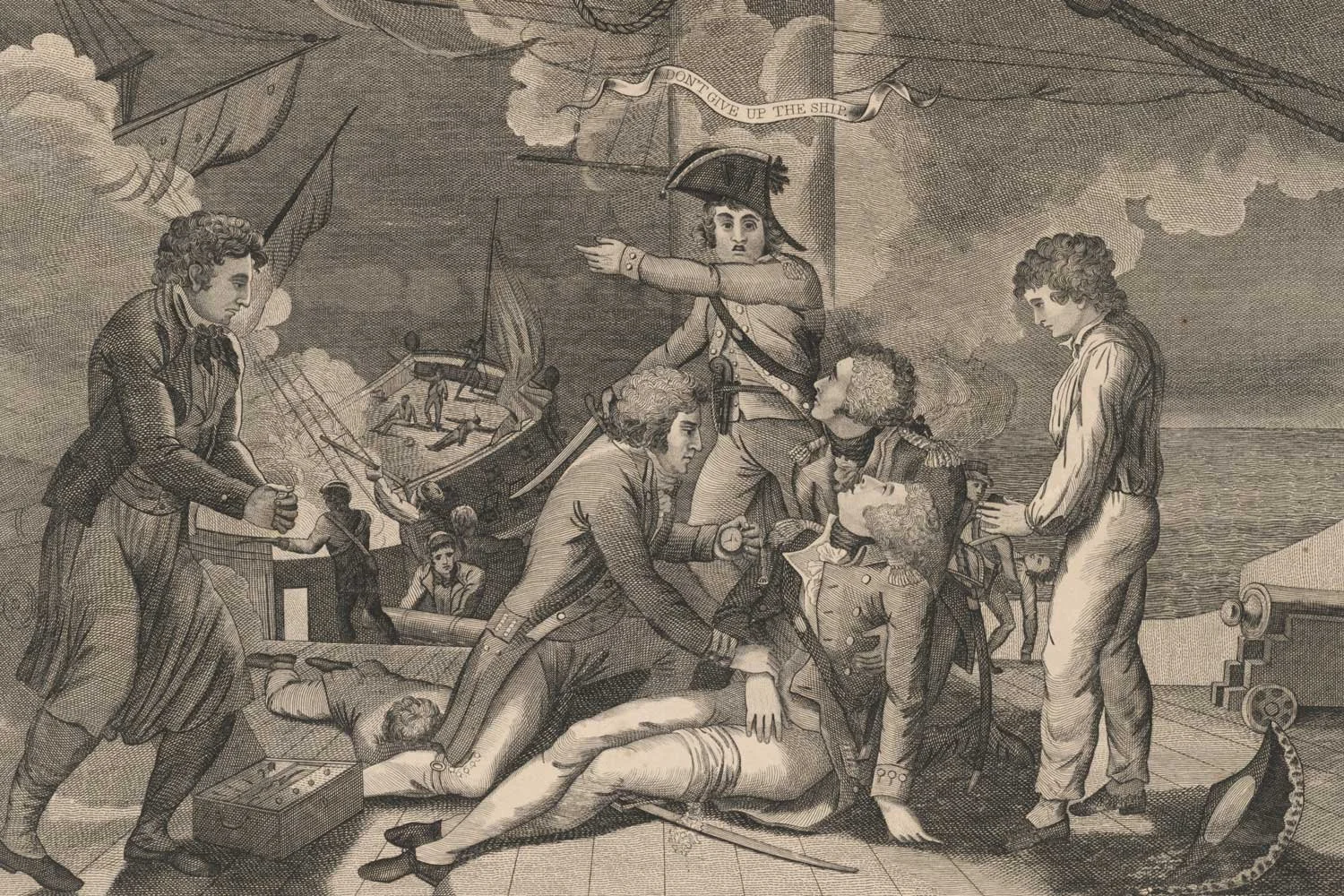
War of 1812, Part 24: Don’t Give Up the Ship
Captain Phillip Broke, perhaps the most capable captain in the Royal Navy, had commanded HMS Shannon for seven years, relentlessly drilling his crew, especially in gunnery, and had made her the most dangerous frigate in the British fleet. He greatly desired to engage an American frigate in a single-ship combat to showcase its talents and sent several messages into Boston requesting any of the three American frigates then in the harbor to come out and fight. Captain James Lawrence, who commanded the Chesapeake, wanted the fight as desperately as Broke and, on June 1, 1813, sailed from Boston Harbor to the cheers of a thousand spectators, anxious to see “Captain Jim” punish the Brits. Just before 6 p.m., both vessels opened with broadsides, but Shannon’s were more rapid and more accurate than Chesapeake’s. Soon the American vessel was in trouble, its deck strewn with dead and wounded, including Lawrence, who was shot in the right knee but continued to direct the fight.
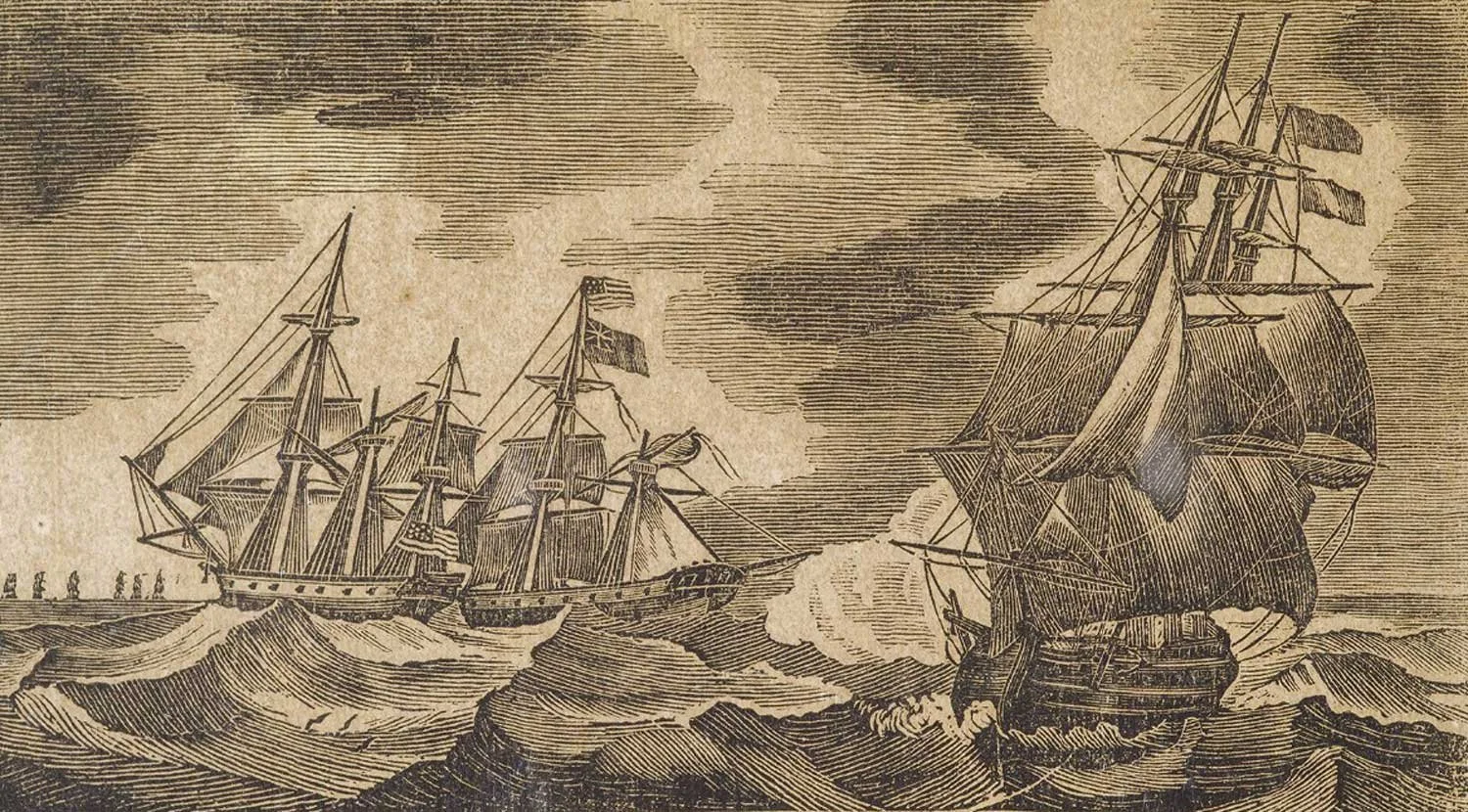
War of 1812, Part 23: USS Wasp and Hornet Sting British
Besides the frigates, of which the American Navy was justifiably proud, there were eight smaller vessels called sloops-of-war that also recorded two notable victories, contributing to the growing respect for our country’s navy. The first was fought on October 18, 1812, between the USS Wasp and HMS Frolic off Cape Hatteras. Four months later, on February 24, 1813, the USS Hornet fought HMS Peacock off the coast of South America. The American ships emerged victorious in both battles, with the British suffering high casualties.
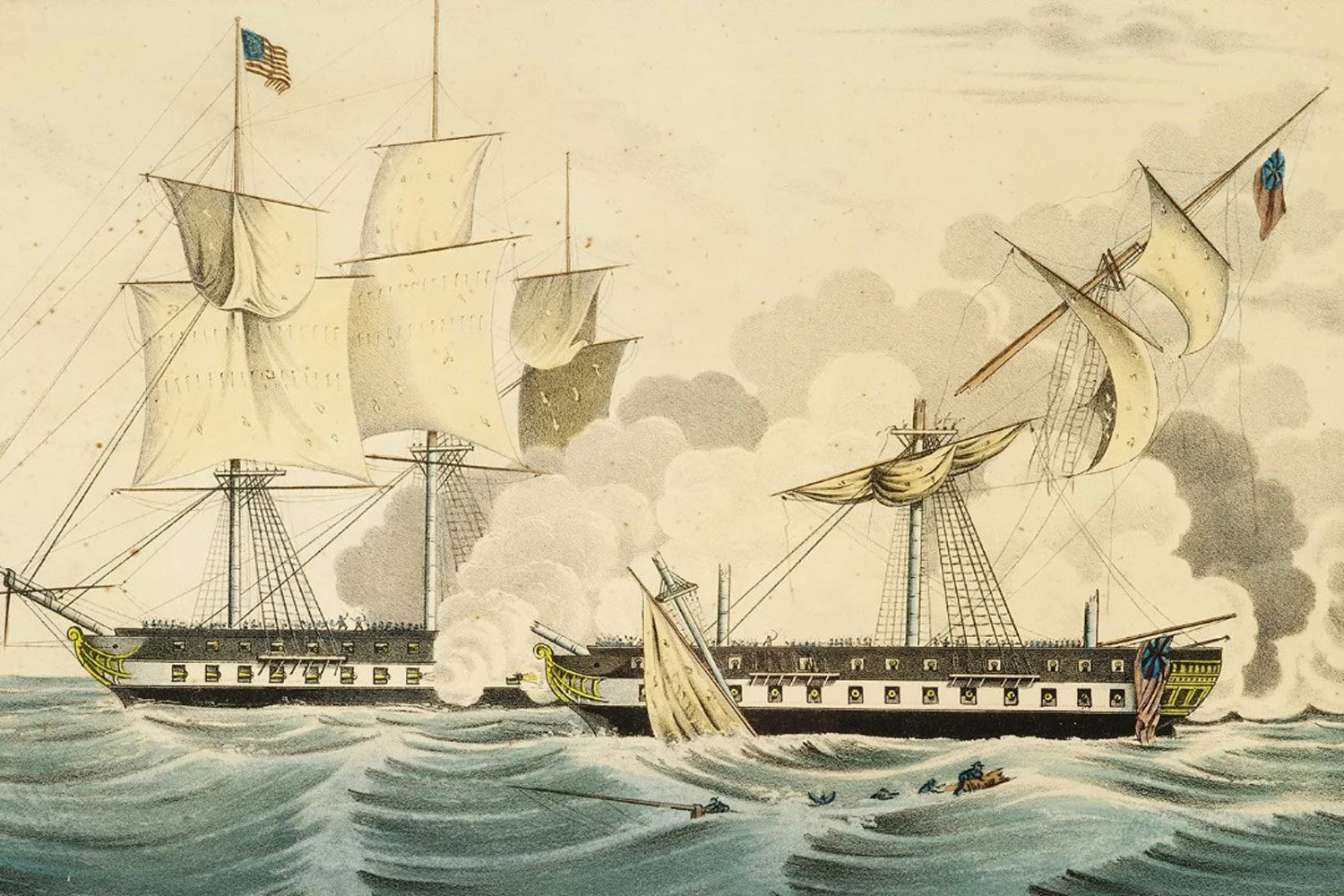
War of 1812, Part 22: American Frigates Shock British
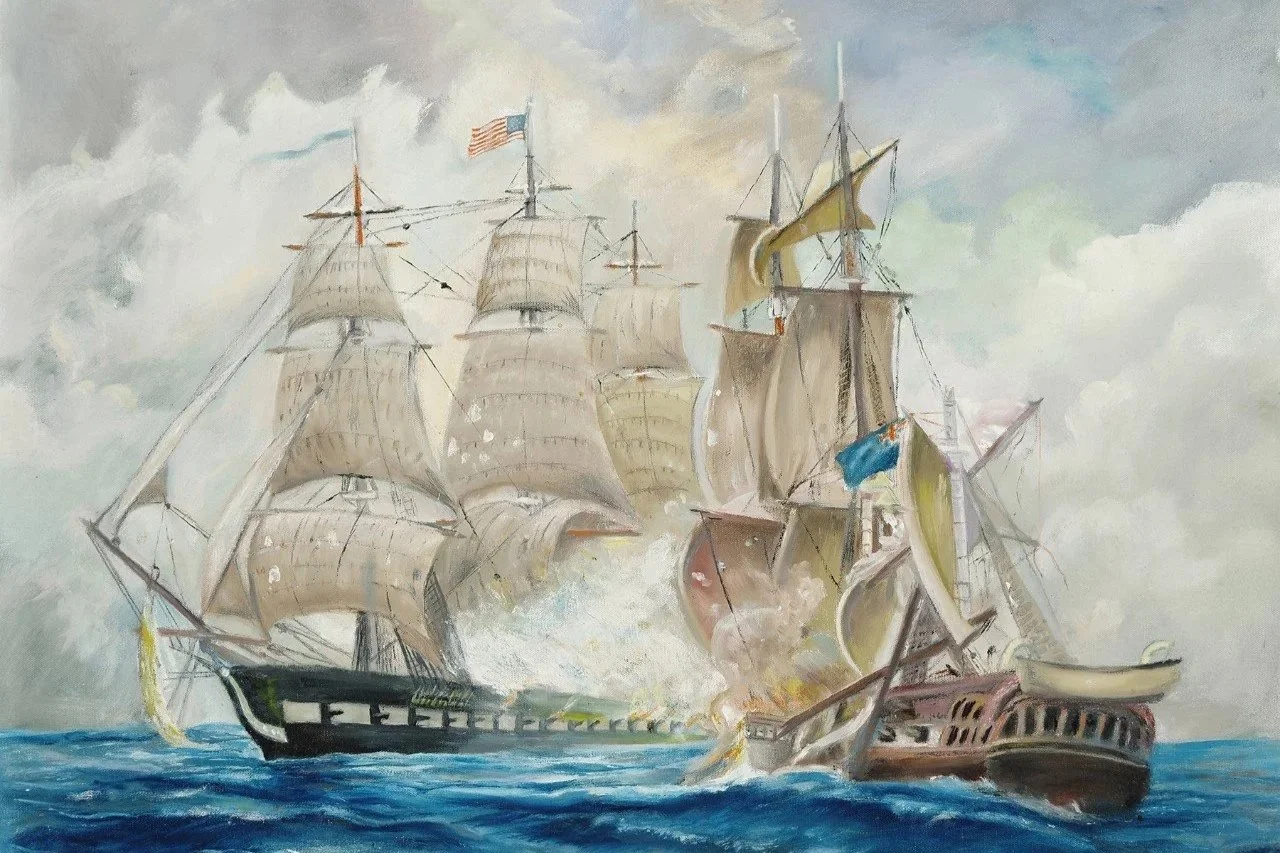
On August 19, 1812, lookouts on the USS Constitution, commanded by Captain Isaac Hull, spotted the HMS Guerriere sailing alone 500 miles southeast of Halifax. As the ships came together in this first ever frigate-on-frigate engagement between the United States and British navies, the Constitution poured broadside after broadside into the Guerriere, devastating the British ship. Later that fall, Captain Stephen Decatur in the USS United States came upon the HMS Macedonian, commanded by Captain John Carden near the Azores, and crippled the ship in battle, forcing Carden to surrender. And finally, in December, the Constitution, this time under the command of Captain William Bainbridge, destroyed the HMS Java off the Brazilian coast in quick fashion.
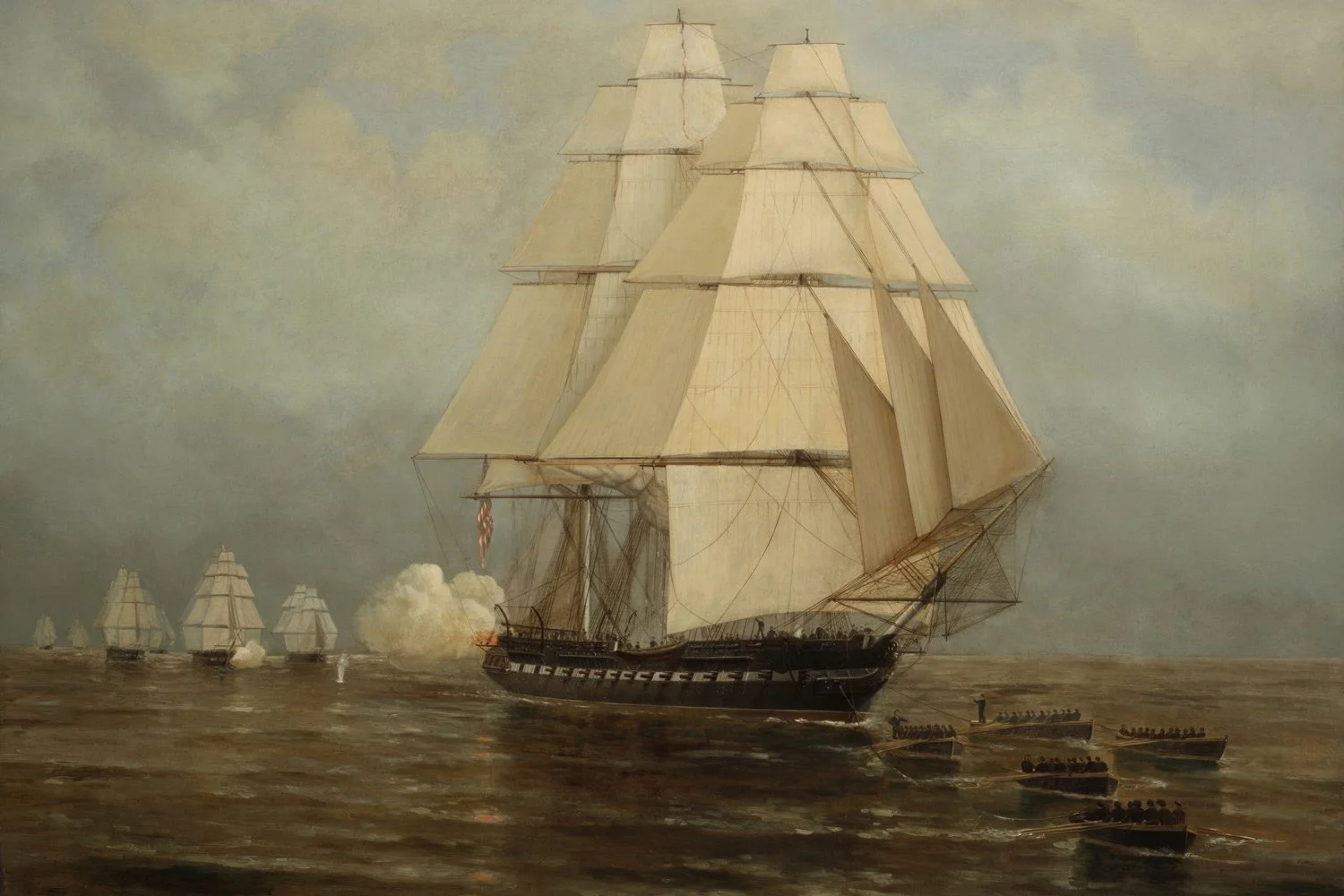
War of 1812, Part 21: The Great Naval Chase of 1812
At the outset of the War of 1812, the only ships ready for sea were the President, commanded by Commodore John Rodgers, the United States, commanded by Captain Stephen Decatur, the Congress, and the Argus. The rest were either not seaworthy or struggling to find an adequate crew, as in the case of the Constitution, commanded by Captain Isaac Hull. The Constitution left Annapolis and arrived off the New Jersey coast on Friday, July 17, sighting five distant sails making straight for the ship. Hull realized this was a British squadron under Captain Philip Broke and wisely took flight, thus starting one of the great chases in the age of sail.
War of 1812, Part 20: The U.S. Navy Comes of Age
The foundation for the later successes of the United States Navy was laid with the Naval Act of 1794, legislation passed by Congress at the urging of President George Washington, which authorized the construction of six frigates. Their design allowed the American frigates to carry heavier guns than their European adversaries, firepower that would prove decisive in the years ahead. The first training ground was the Quasi-War, an undeclared naval war that began in 1798 when President John Adams retaliated against France for seizing American merchant ships. The American frigates outclassed their French adversaries in virtually every encounter. The Quasi-War ended in September 1800, but less than a year later, the Navy was again called on to defend American maritime rights. This time the adversaries were the Barbary States of North Africa.
War of 1812, Part 19: The Origins of the United States Navy
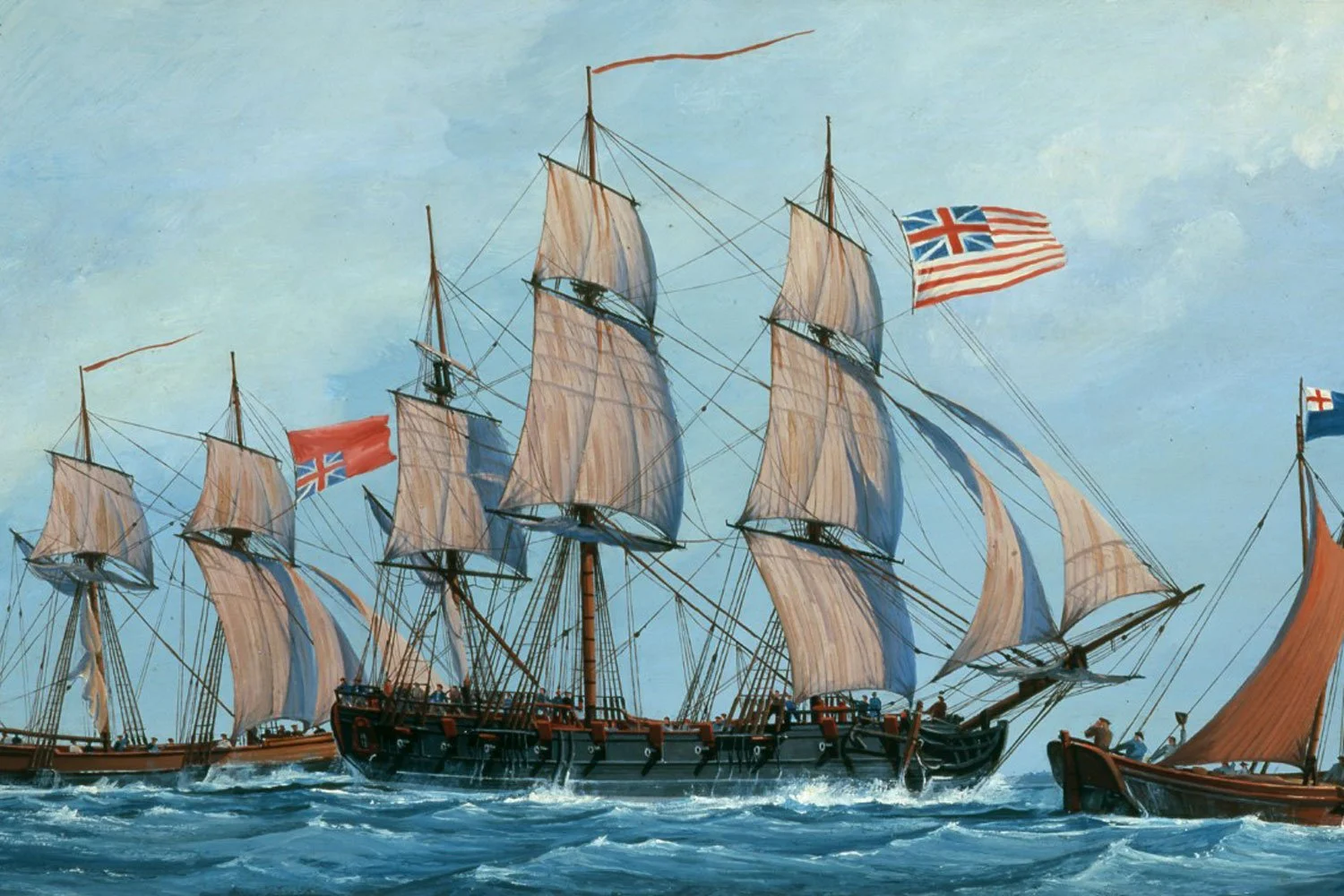
The United States Navy that performed so well in the War of 1812 was first established by Congress on October 13, 1775. Naturally, the American fleet was not expected to compete on the high seas against the Royal Navy, the strongest in the world. While the initial squadron consisted of fewer than ten vessels, all of which were refitted merchantmen, the Royal Navy initially had over 250 warships, and that number doubled by the end of the Revolutionary War. Although outnumbered and under-equipped, there were numerous instances of American warships and fighting men performing well, including Benedict Arnold and his fleet at the Battle of Valcour Island and John Paul Jones, considered by many to be the Father of the U.S. Navy, at the Battle of Flamborough Head.