
War of 1812, Part 20: The U.S. Navy Comes of Age
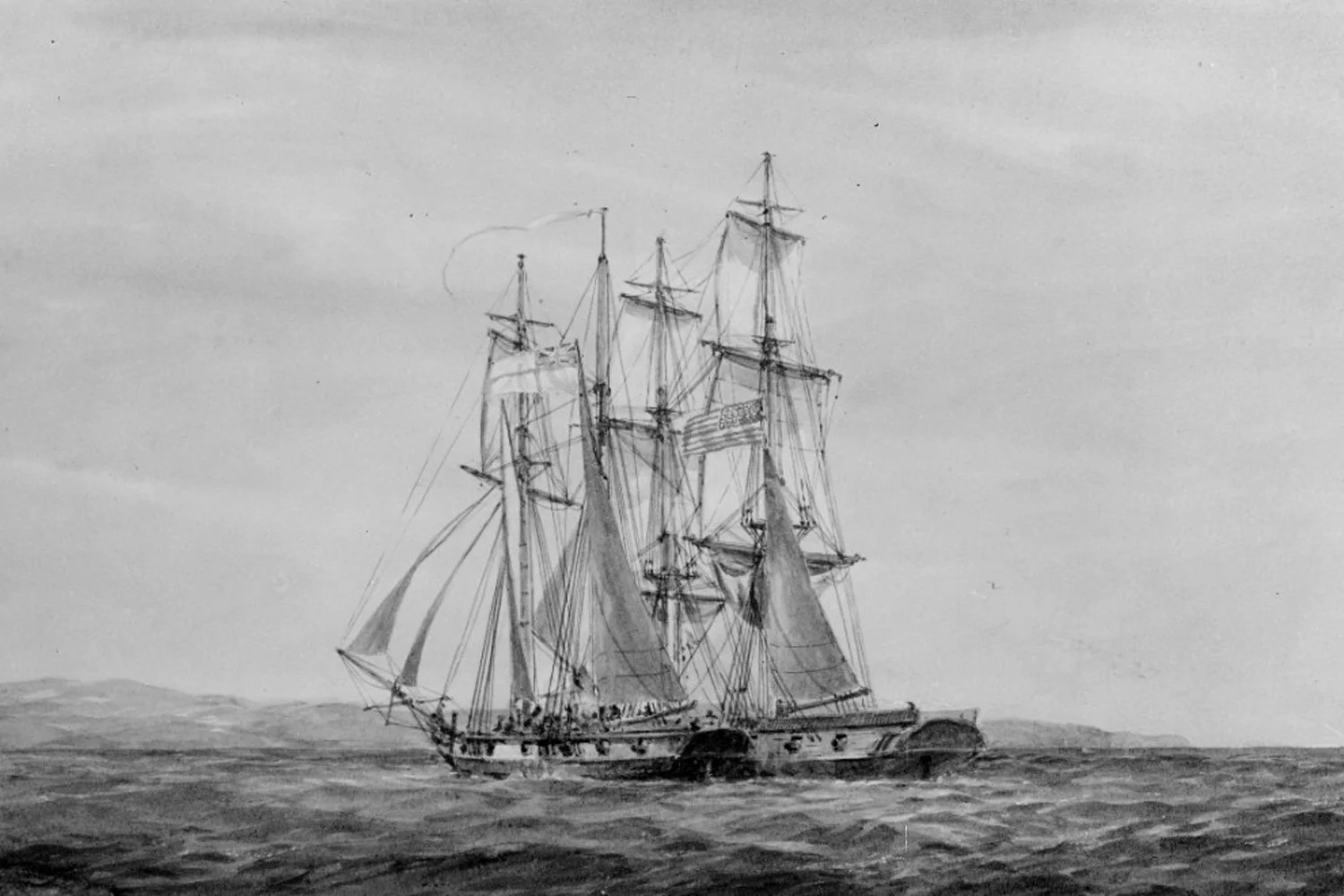
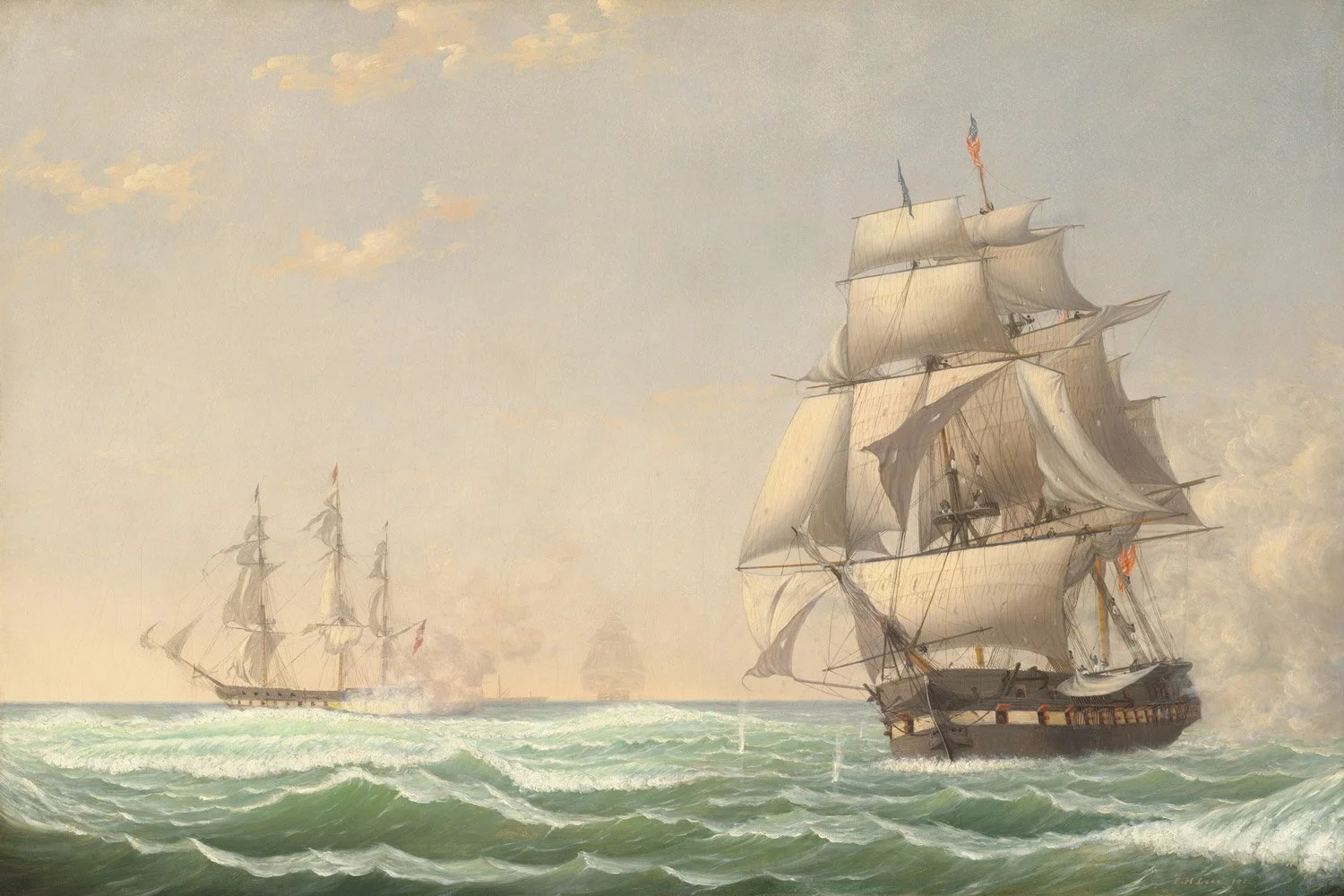
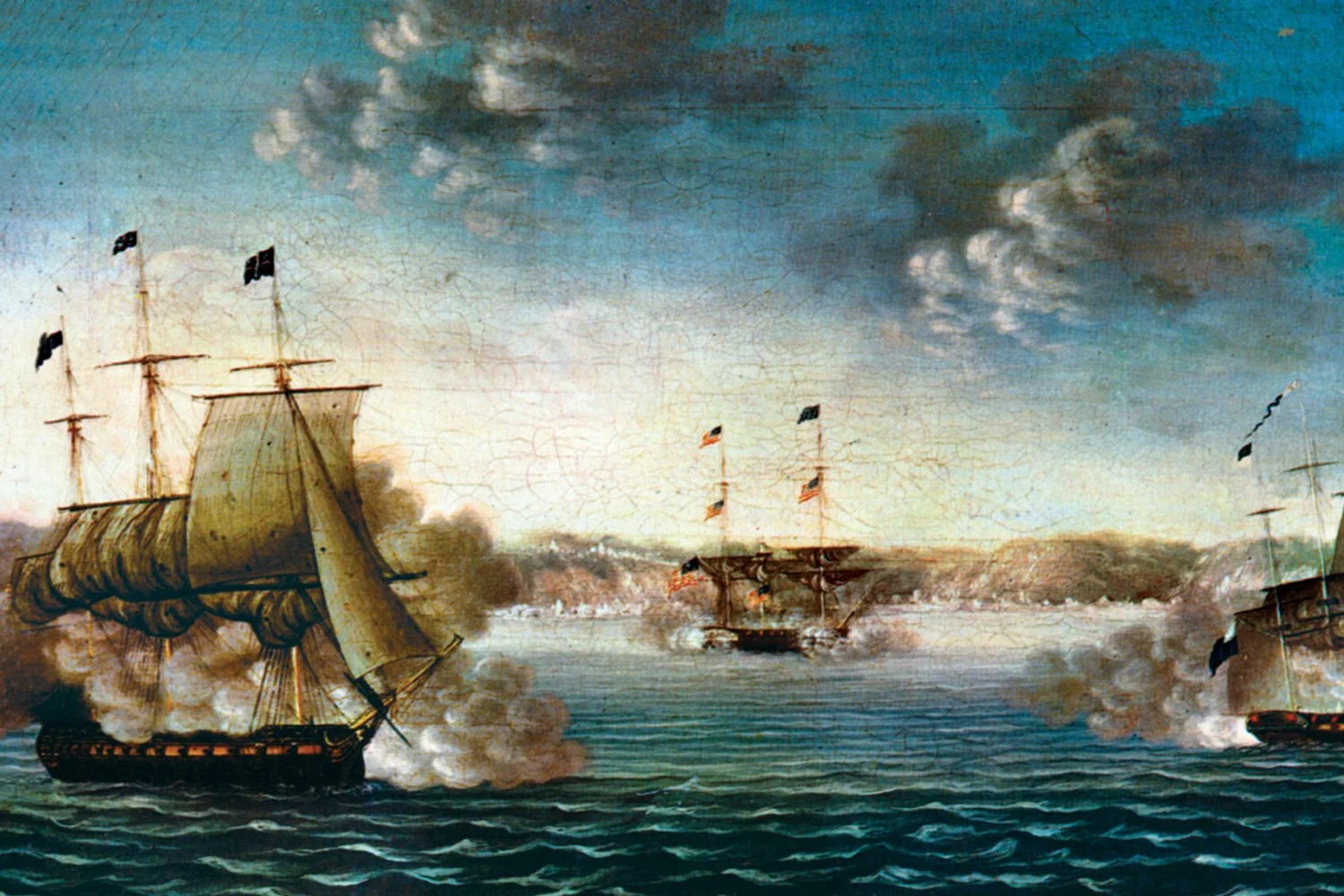
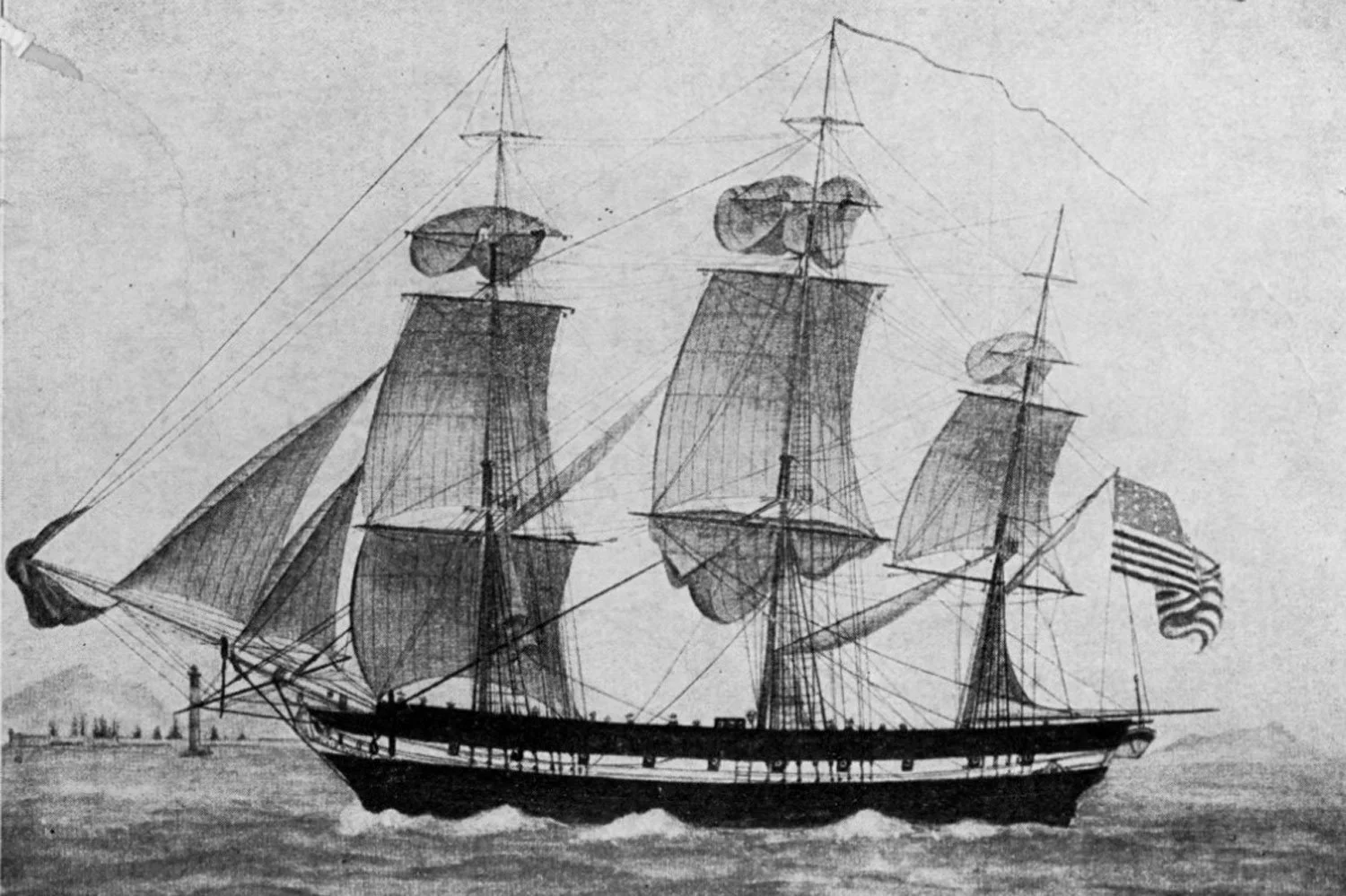
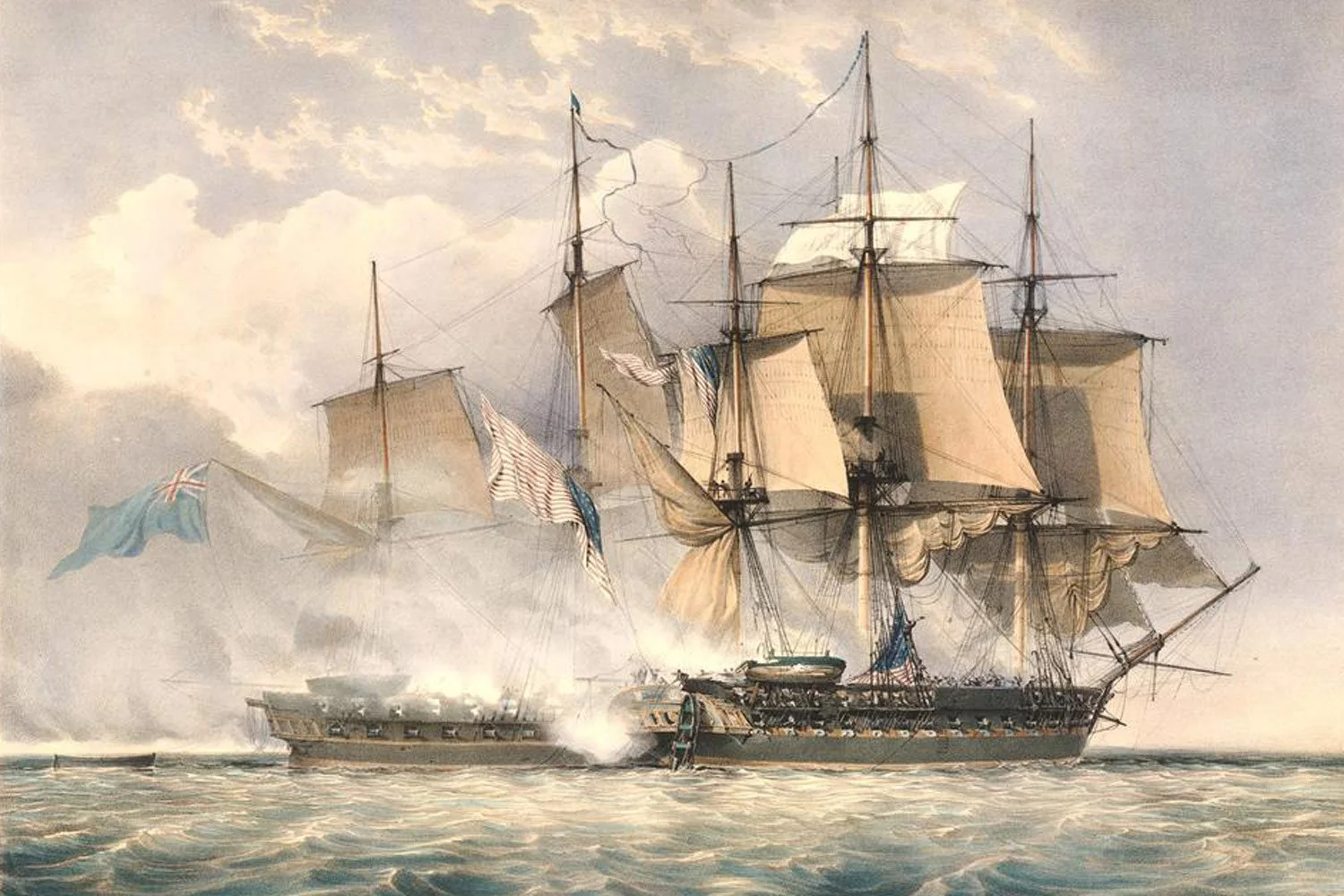
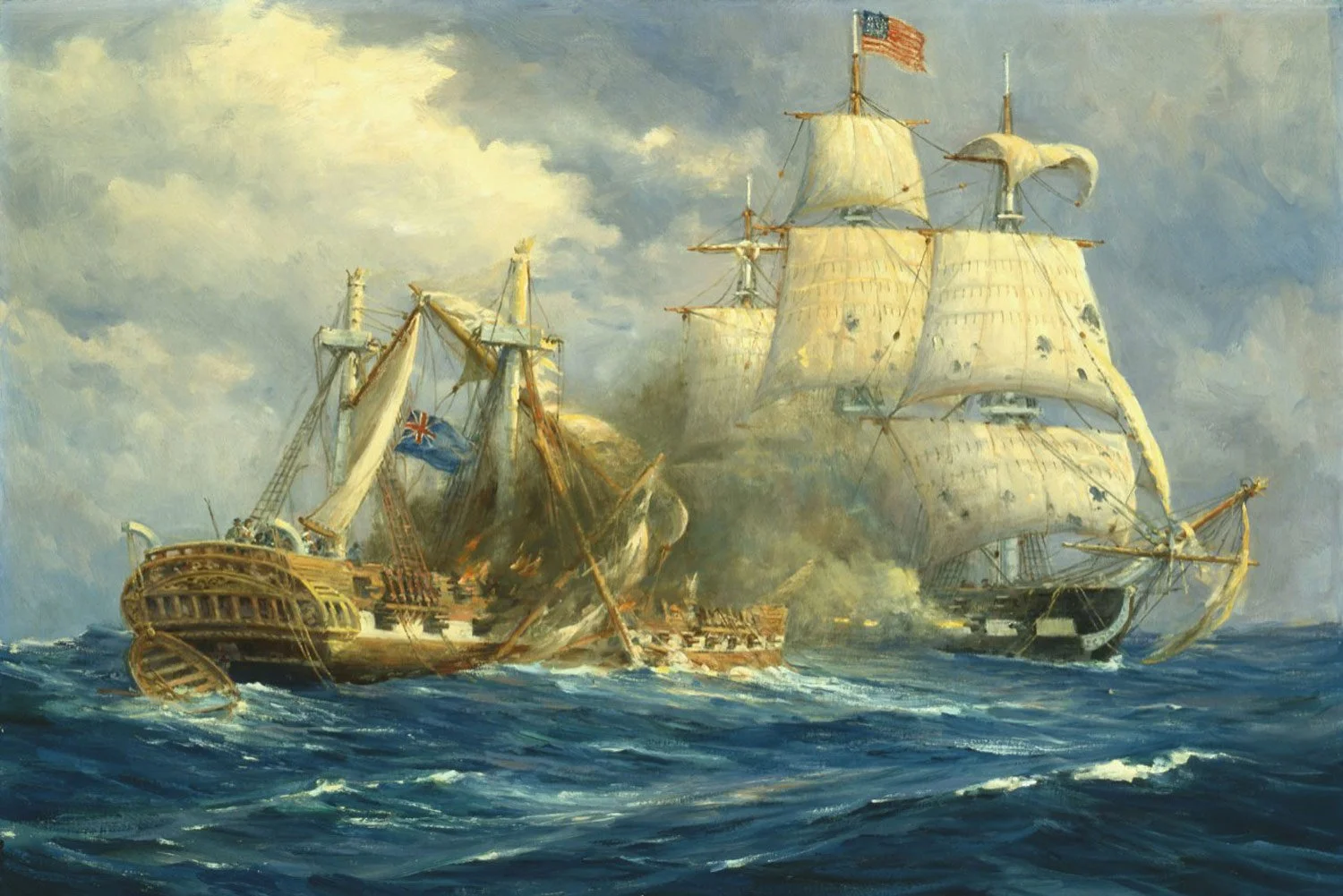
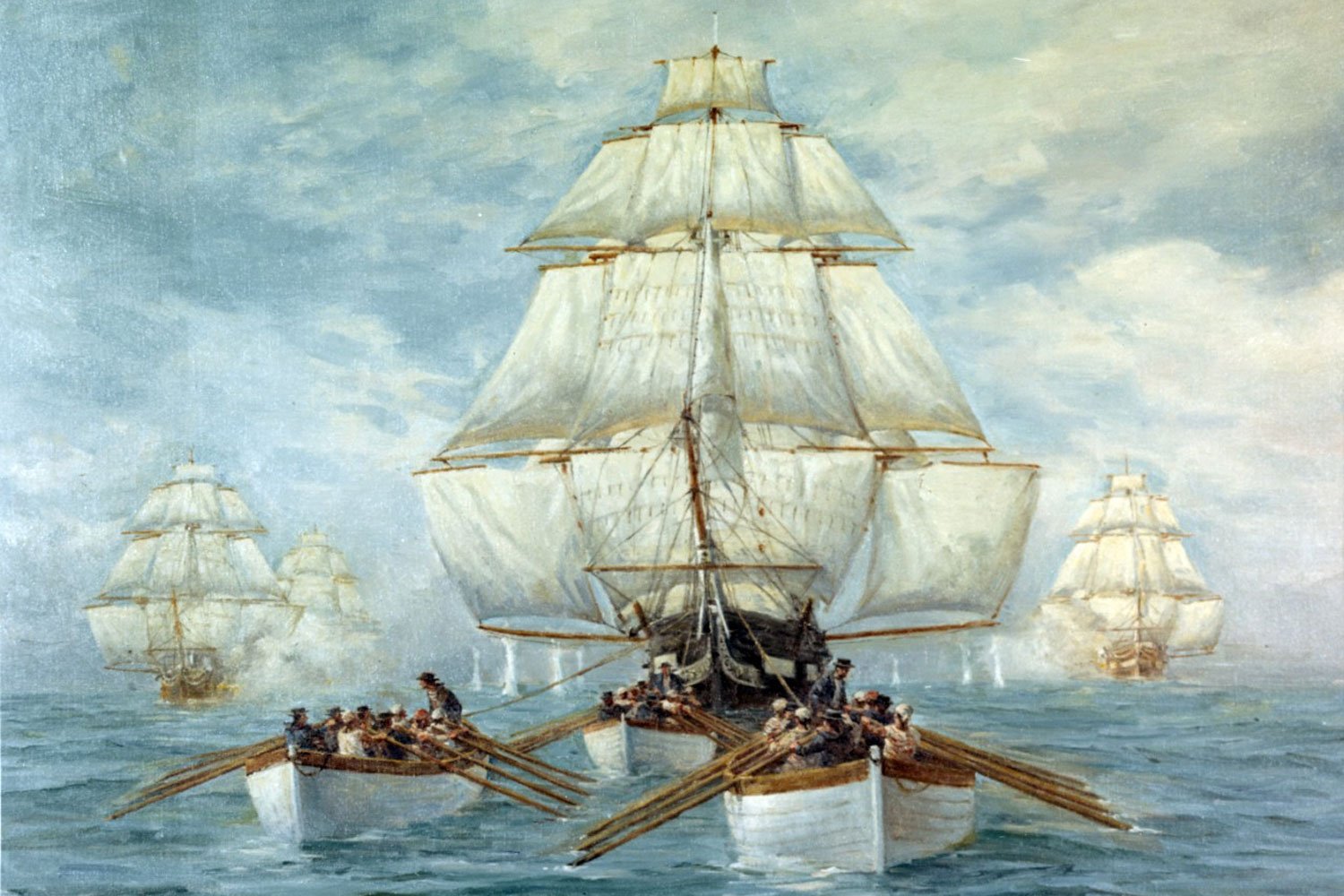
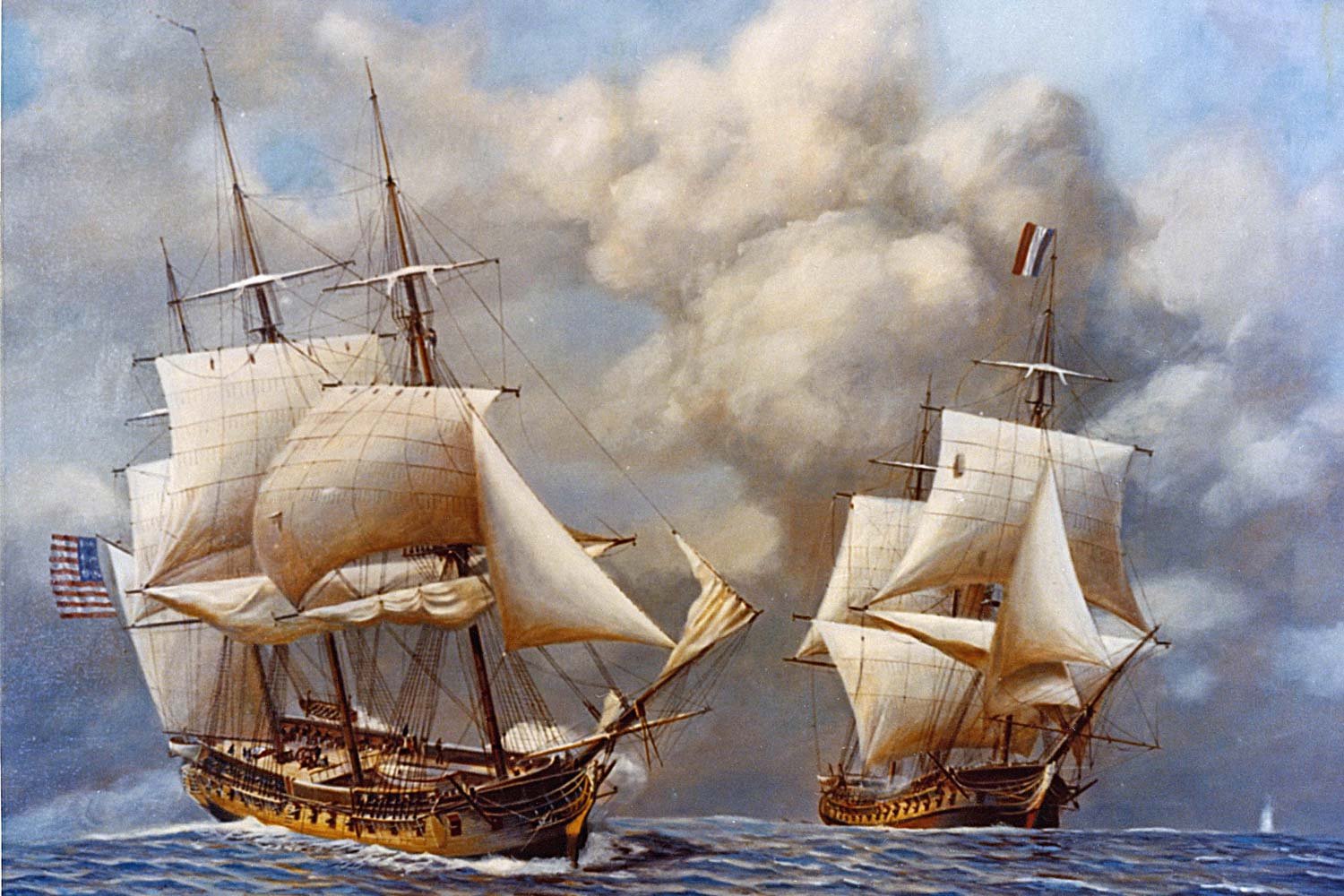
The foundation for the later successes of the United States Navy was laid with the Naval Act of 1794, legislation passed by Congress at the urging of President George Washington, which authorized the construction of six frigates. Their design allowed the American frigates to carry heavier guns than their European adversaries, firepower that would prove decisive in the years ahead. The first training ground was the Quasi-War, an undeclared naval war that began in 1798 when President John Adams retaliated against France for seizing American merchant ships. The American frigates outclassed their French adversaries in virtually every encounter. The Quasi-War ended in September 1800, but less than a year later, the Navy was again called on to defend American maritime rights. This time the adversaries were the Barbary States of North Africa.
Tom Hand, creator and publisher of Americana Corner, discusses how the United States Navy came of age and why it still matters today.
Images courtesy of National Portrait Gallery - Smithsonian Institution, Naval History and Heritage Command, National Archives, National Gallery of Art, USS Constitution Museum, Wikimedia.
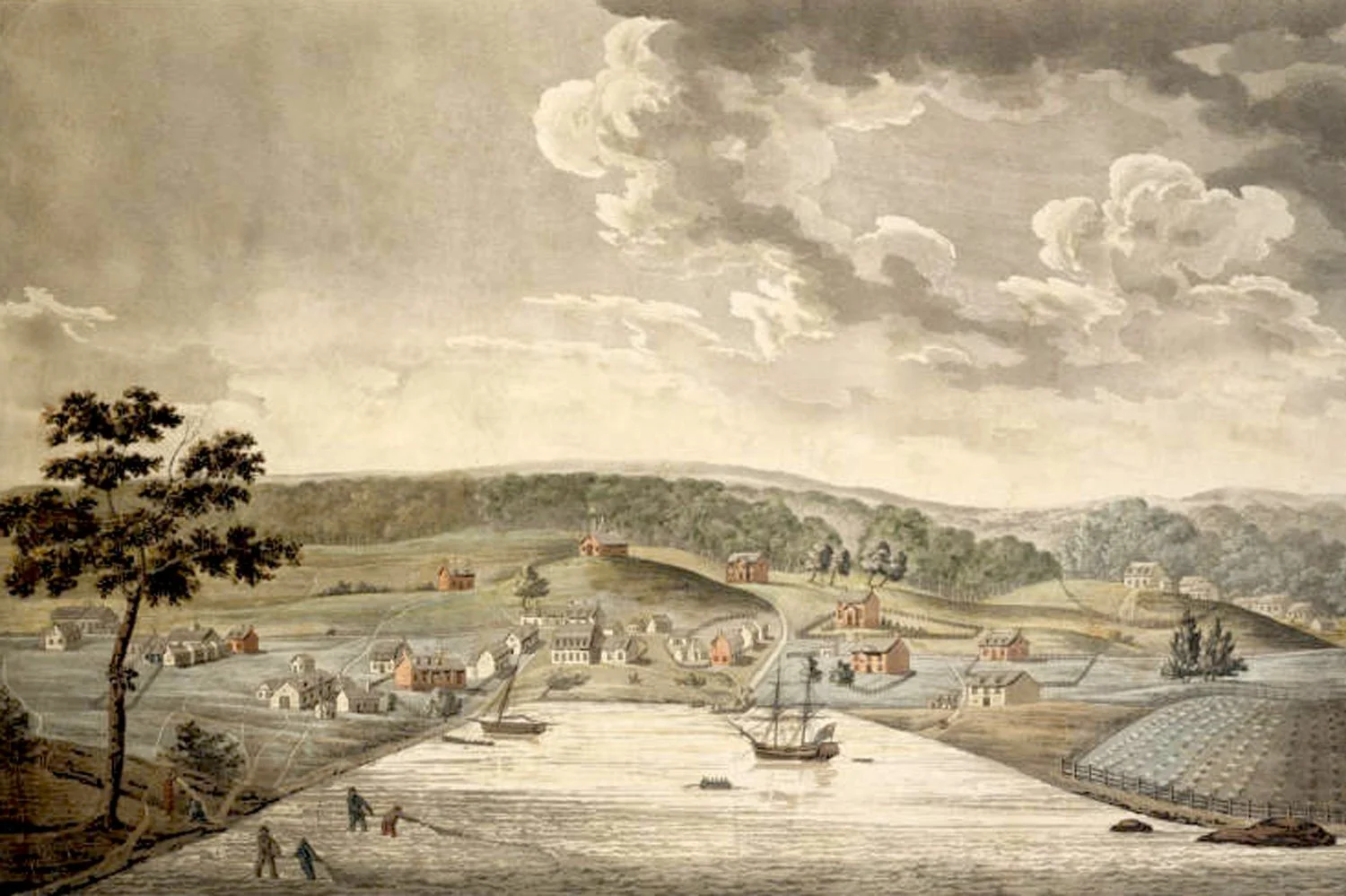
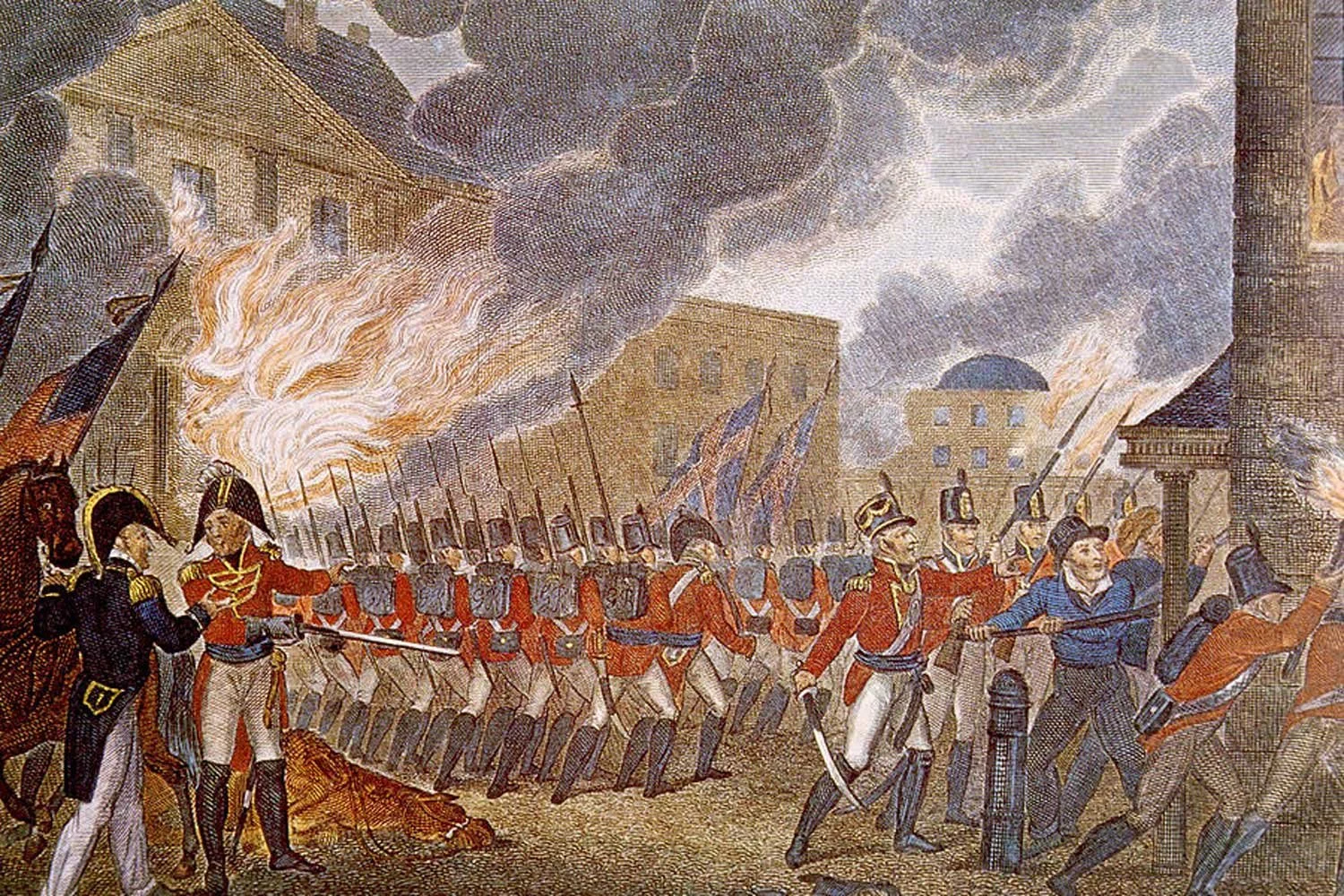
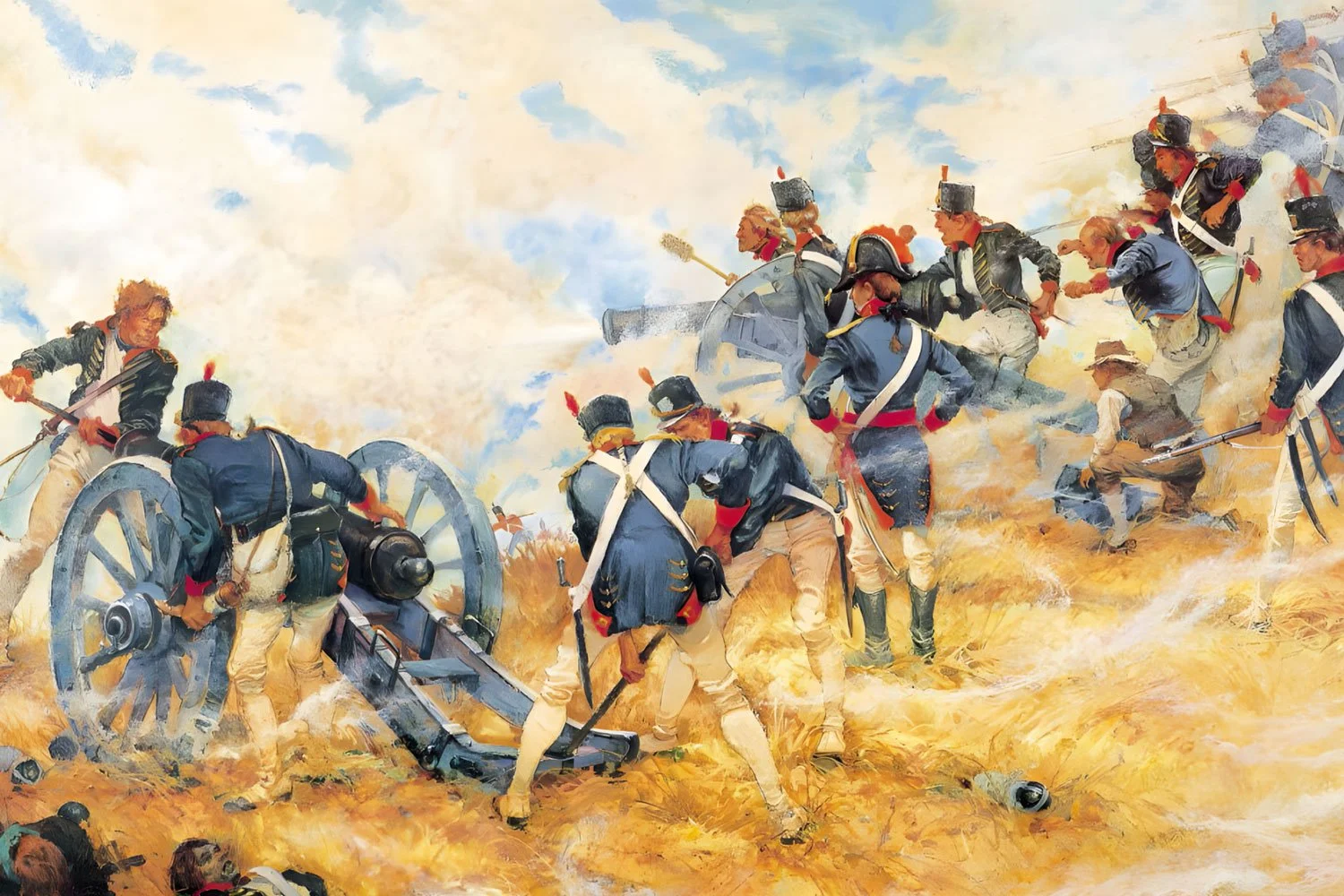
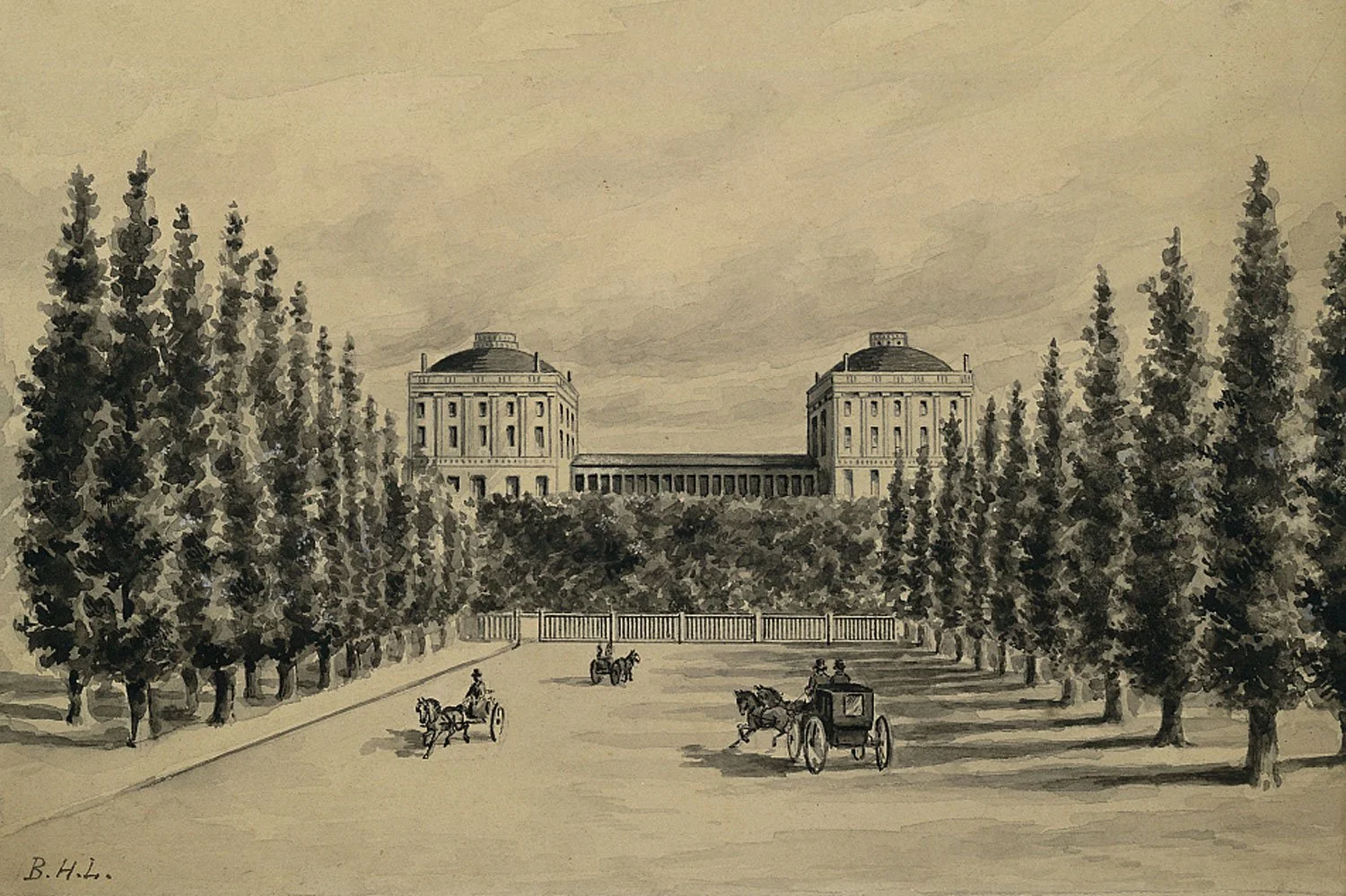

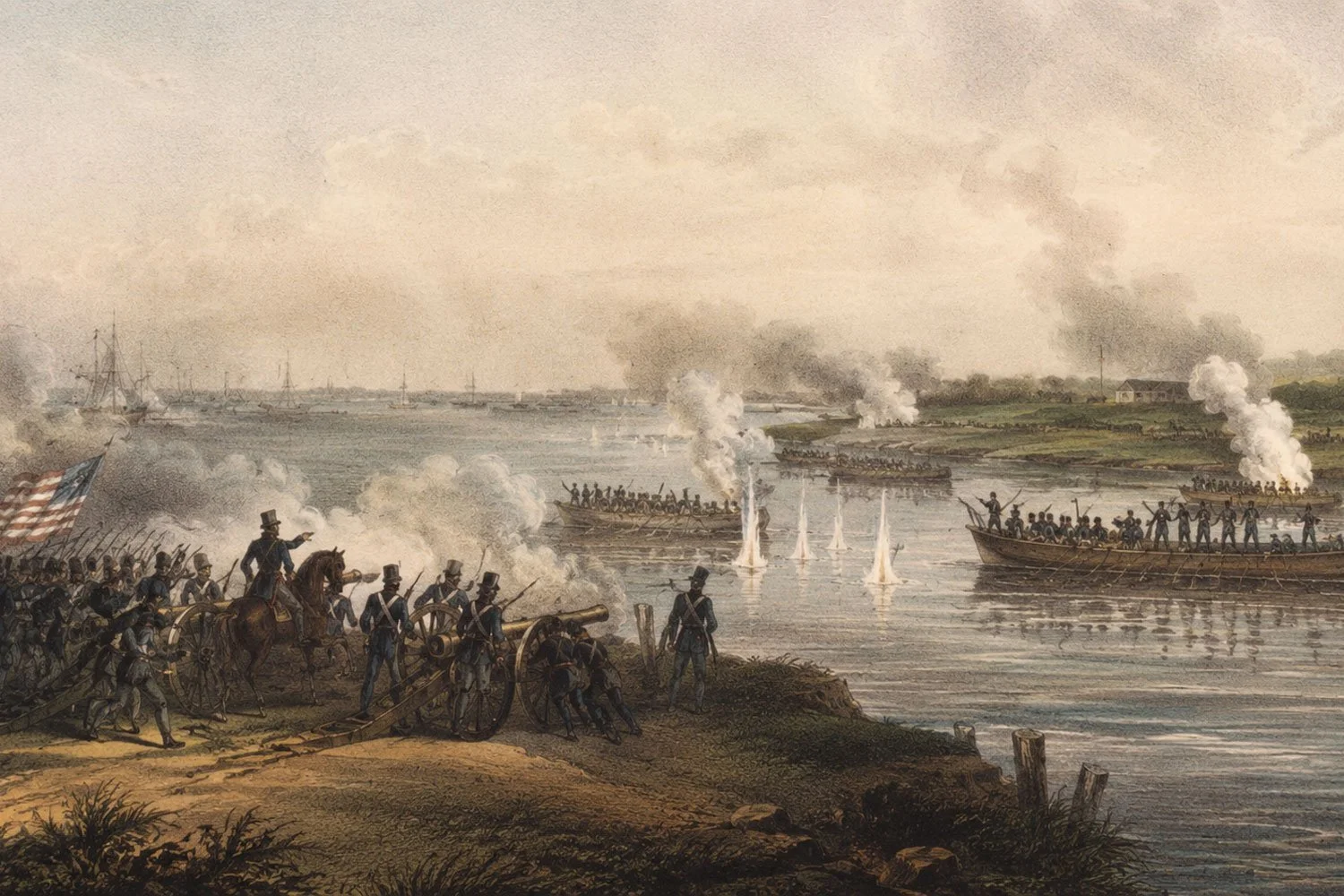
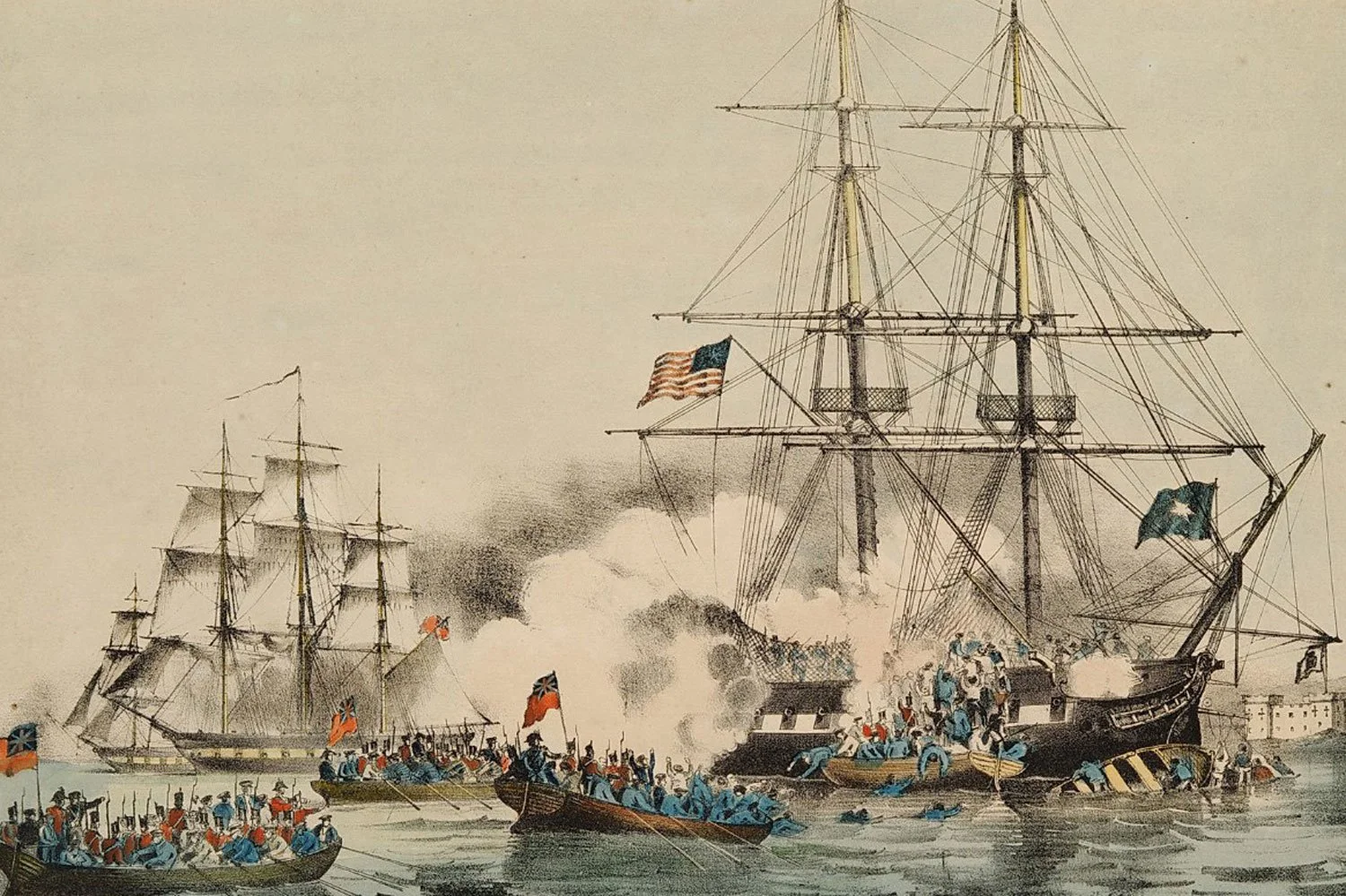
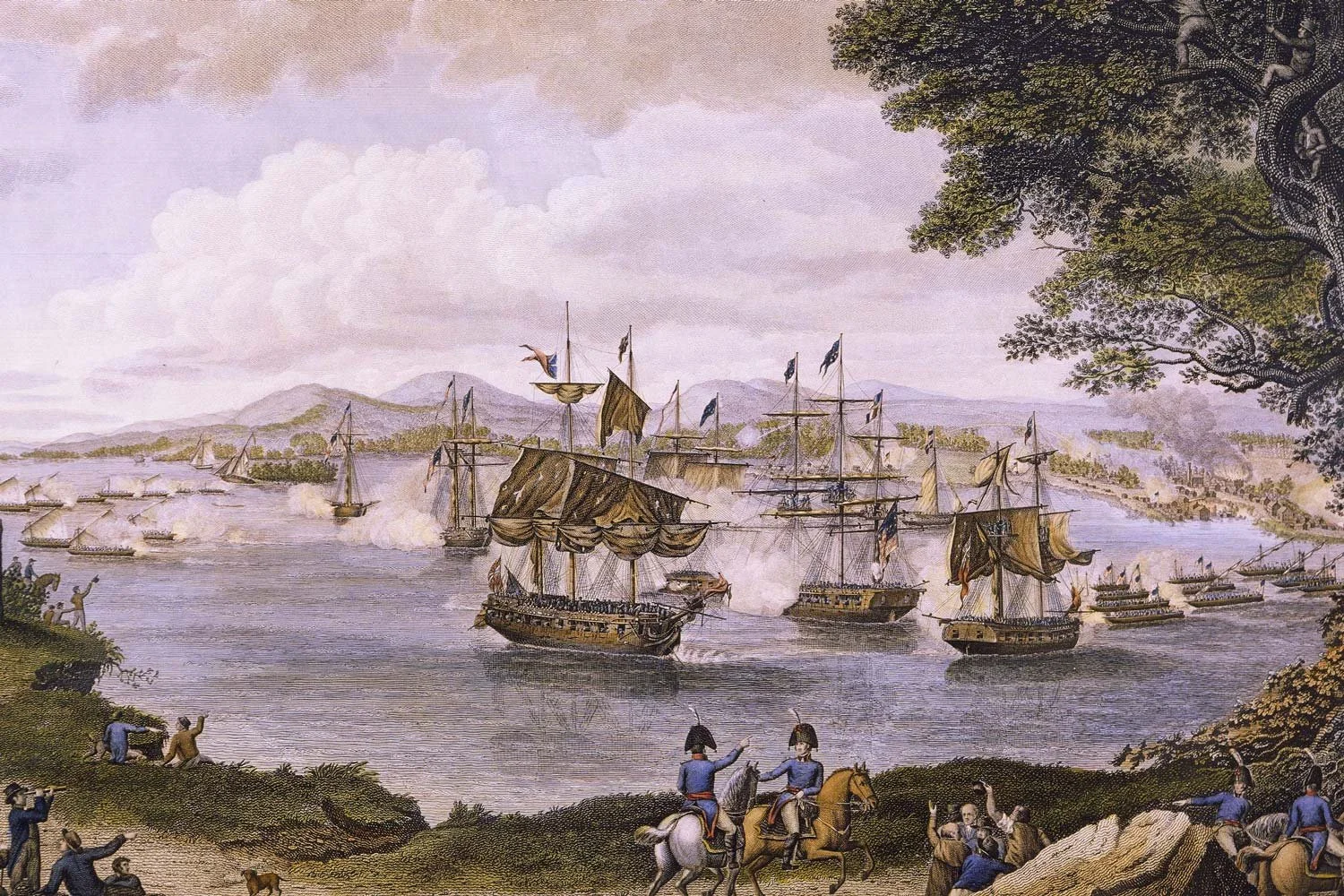
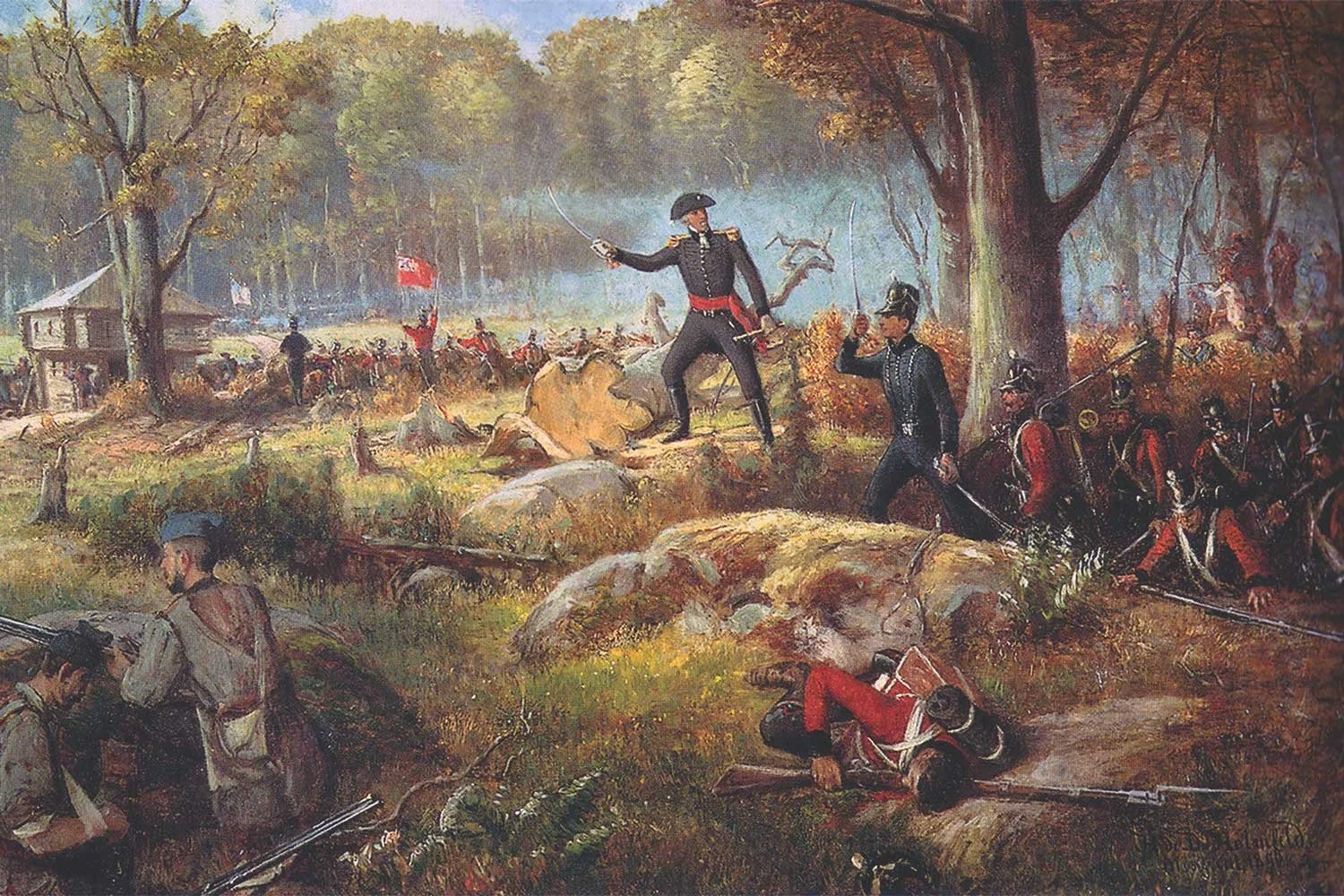
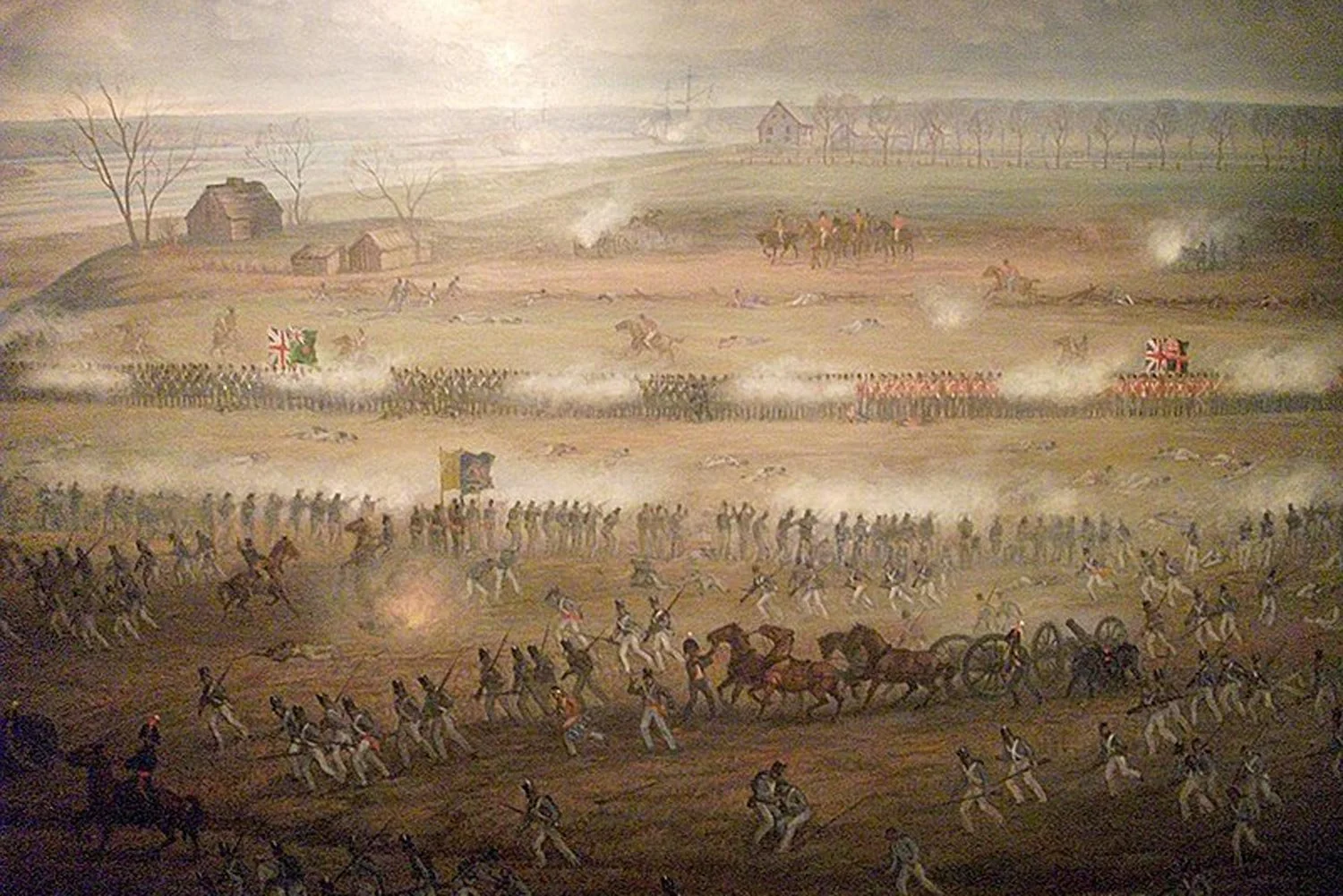
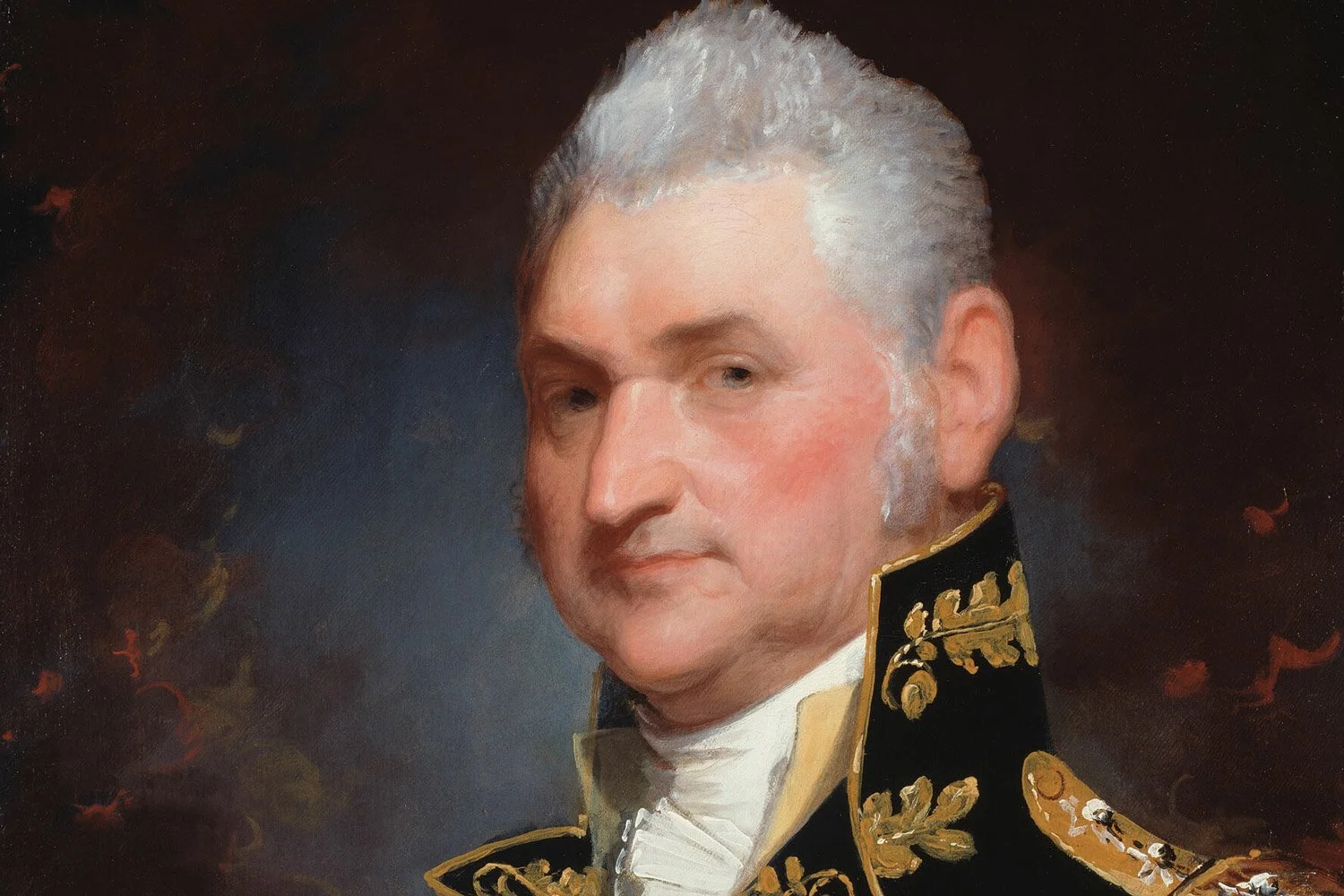
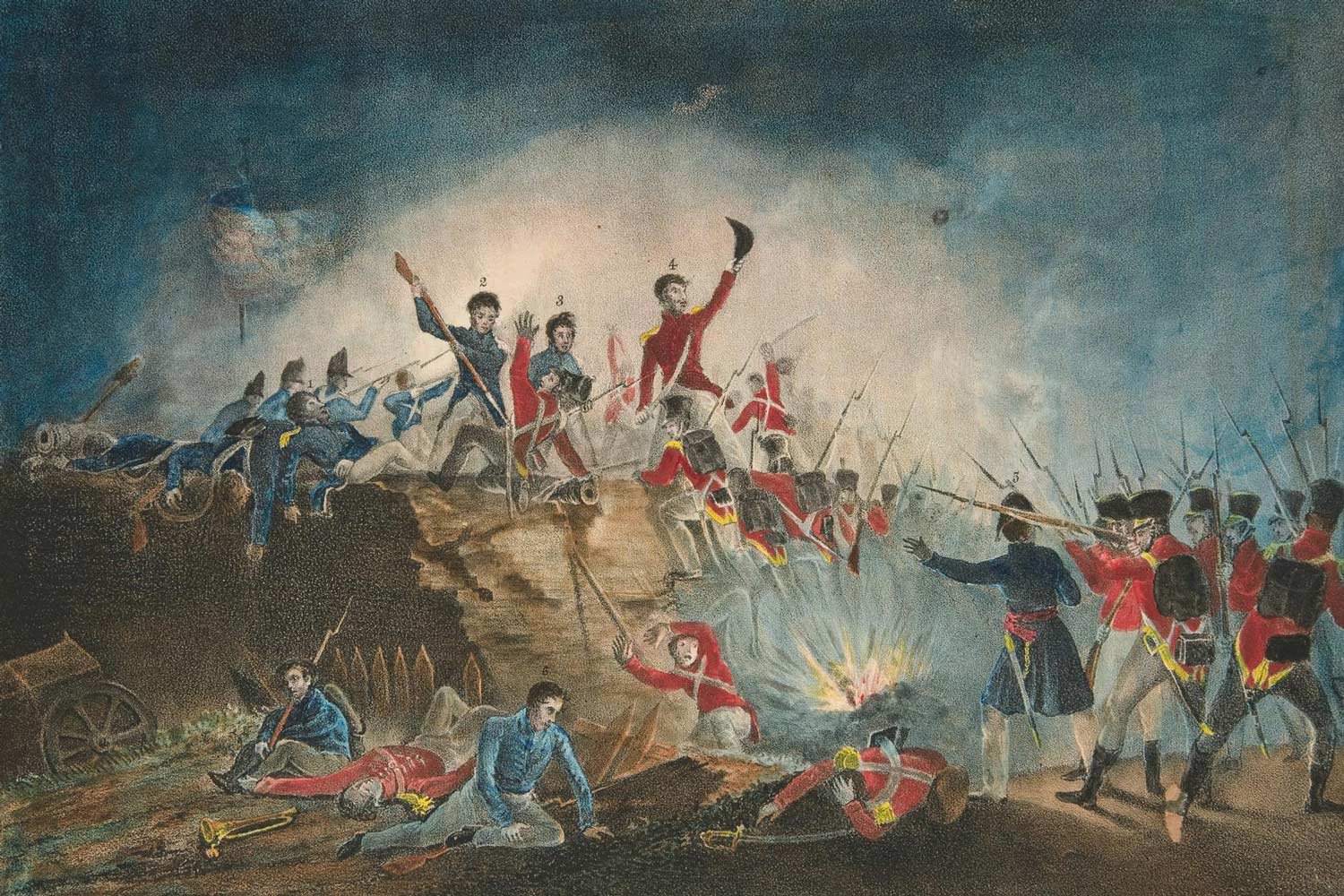
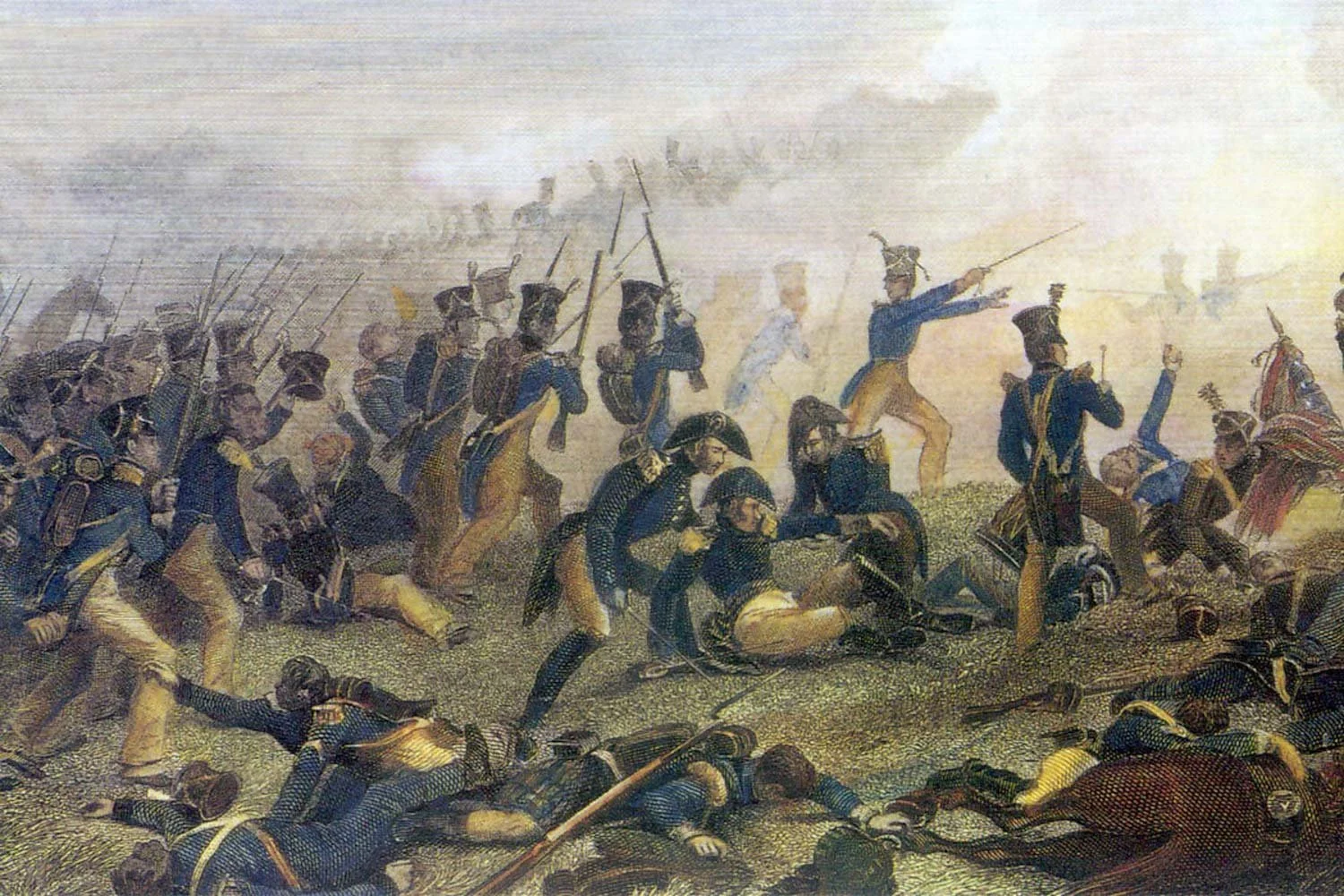

In a dispatch dated August 10, 1814, Vice Admiral Alexander Cochrane was instructed by Lord Bathurst, Secretary of State for War and the Colonies, to proceed to Jamaica and rendezvous with reinforcements coming from England to assist him in capturing New Orleans. With the death of Major General Robert Ross at North Point, the War Department in London gave the command of the land force for this new expedition to Major General Sir Edward Pakenham, a veteran of the Peninsula War and the brother-in-law of the Duke of Wellington. And on November 26, Cochrane, Pakenham, and a British army of nearly 7,000 veterans sailed for New Orleans.