
War of 1812, Part 27: United States Suffers Under British Blockade
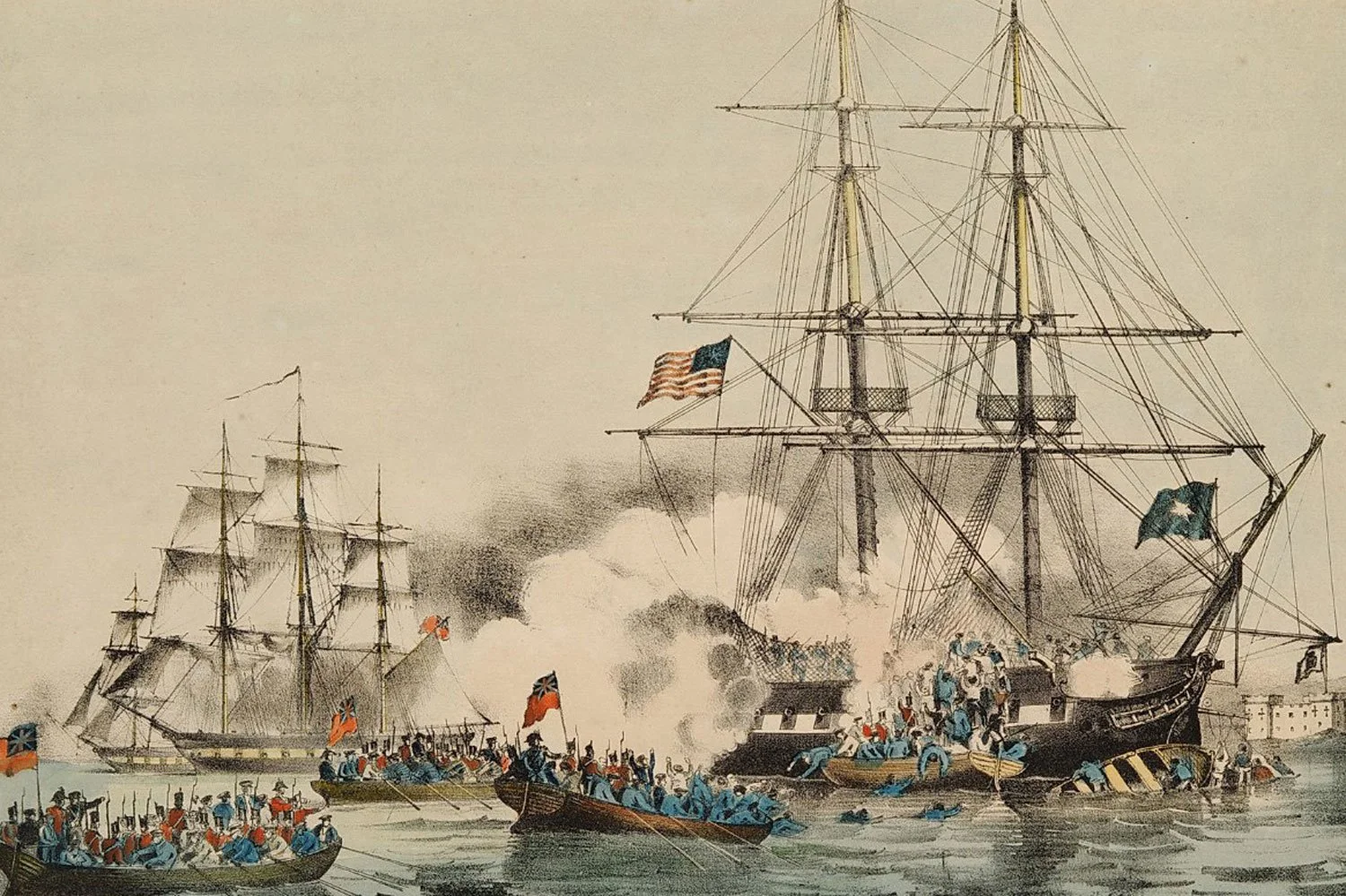
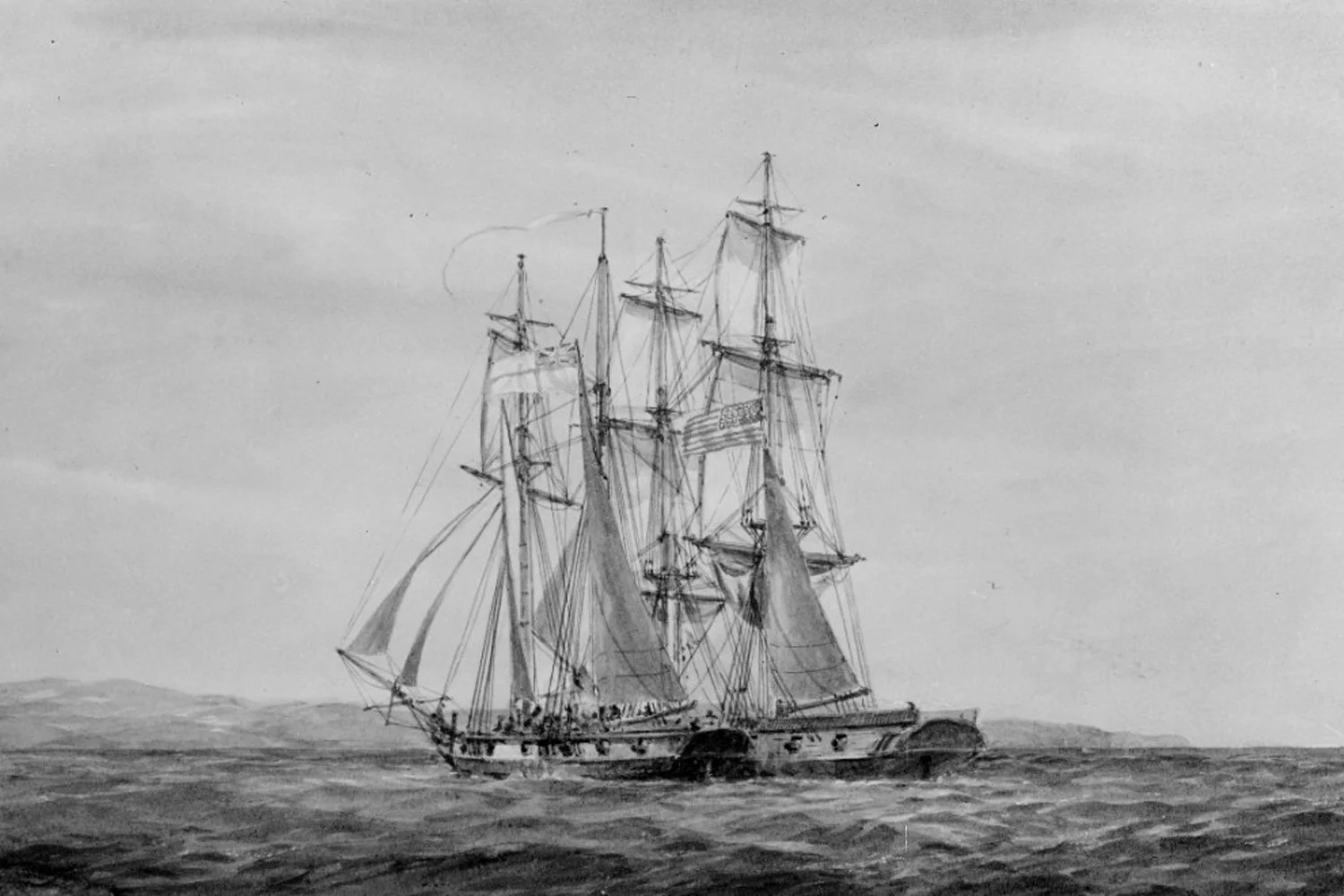
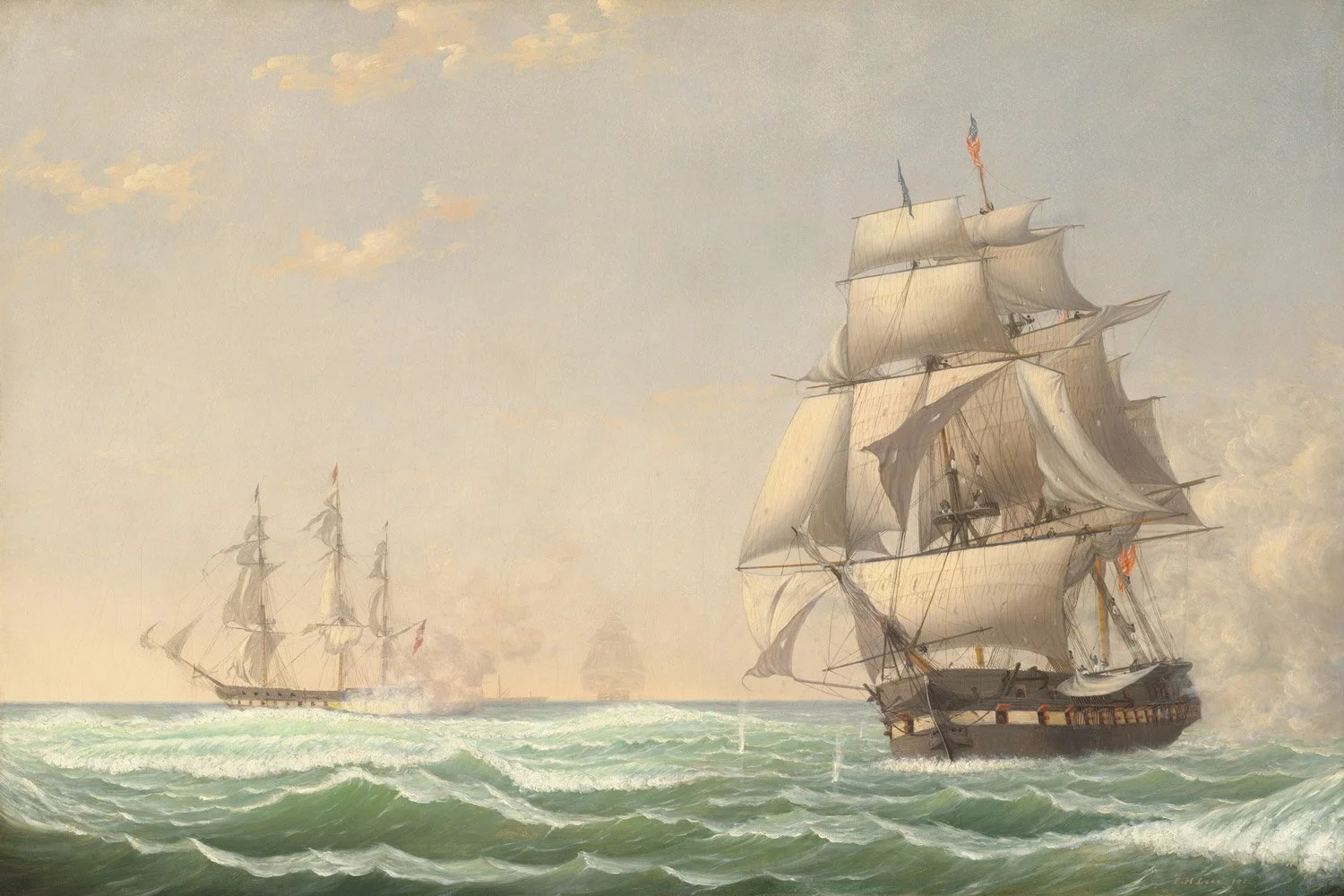
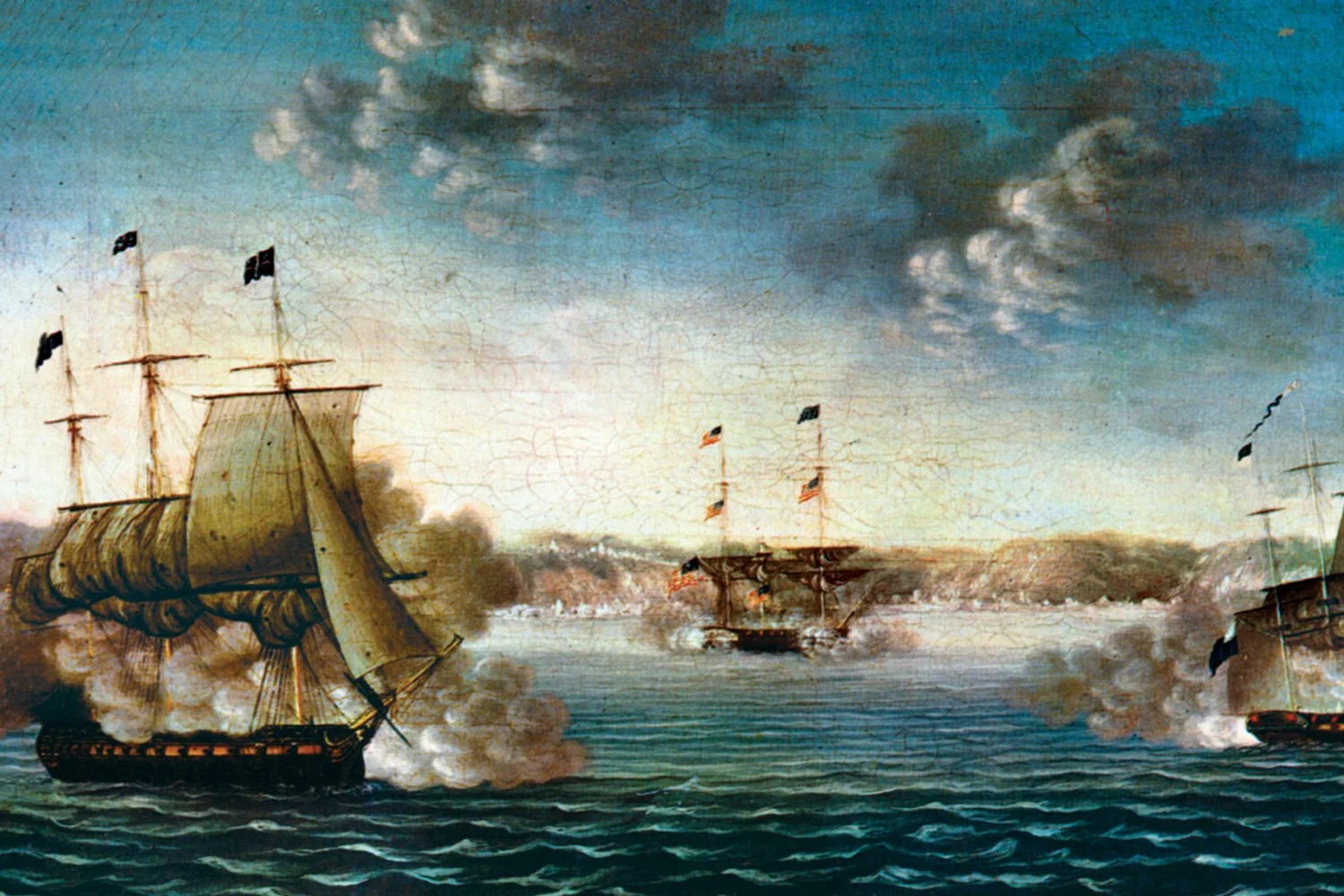
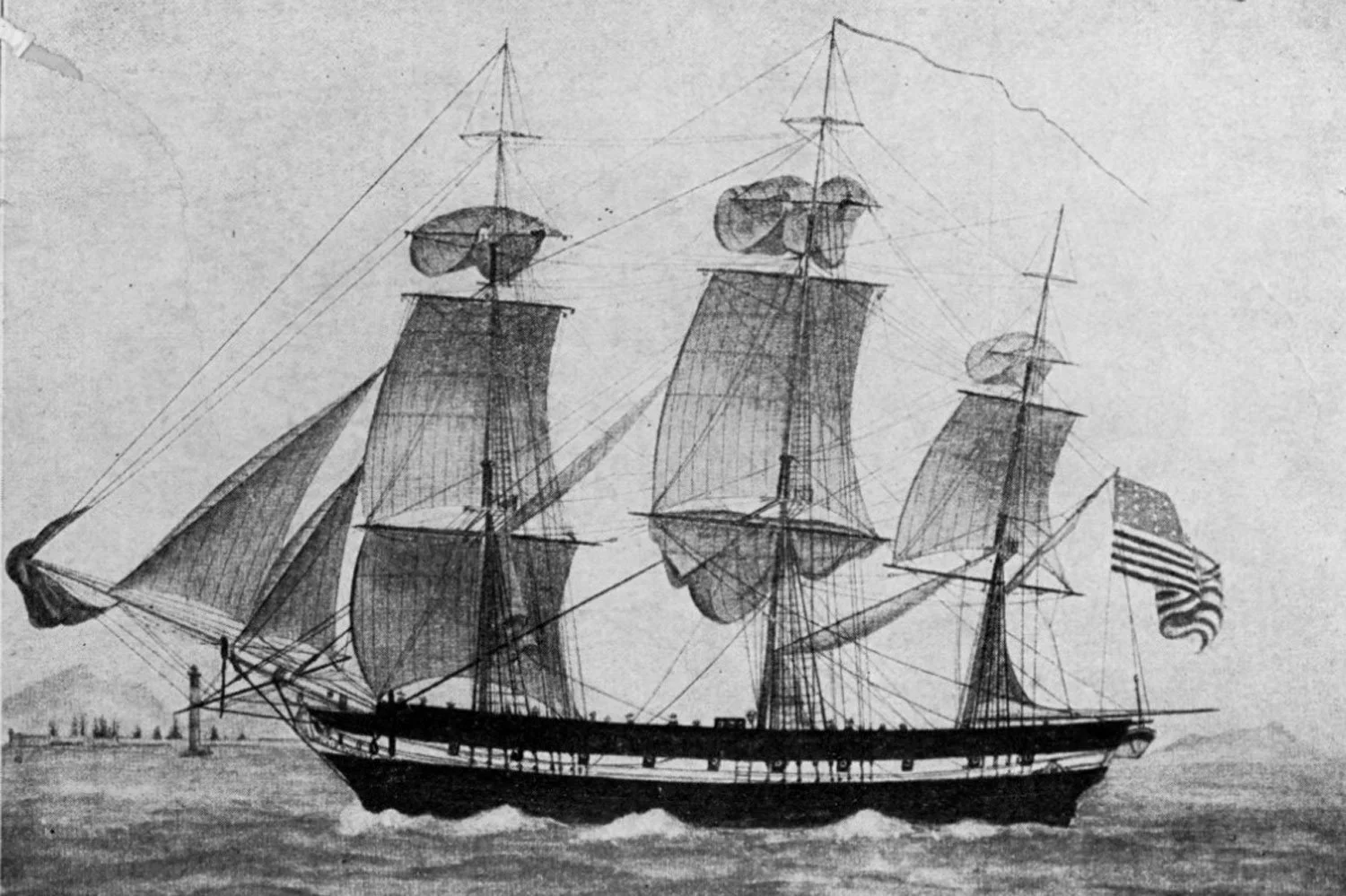
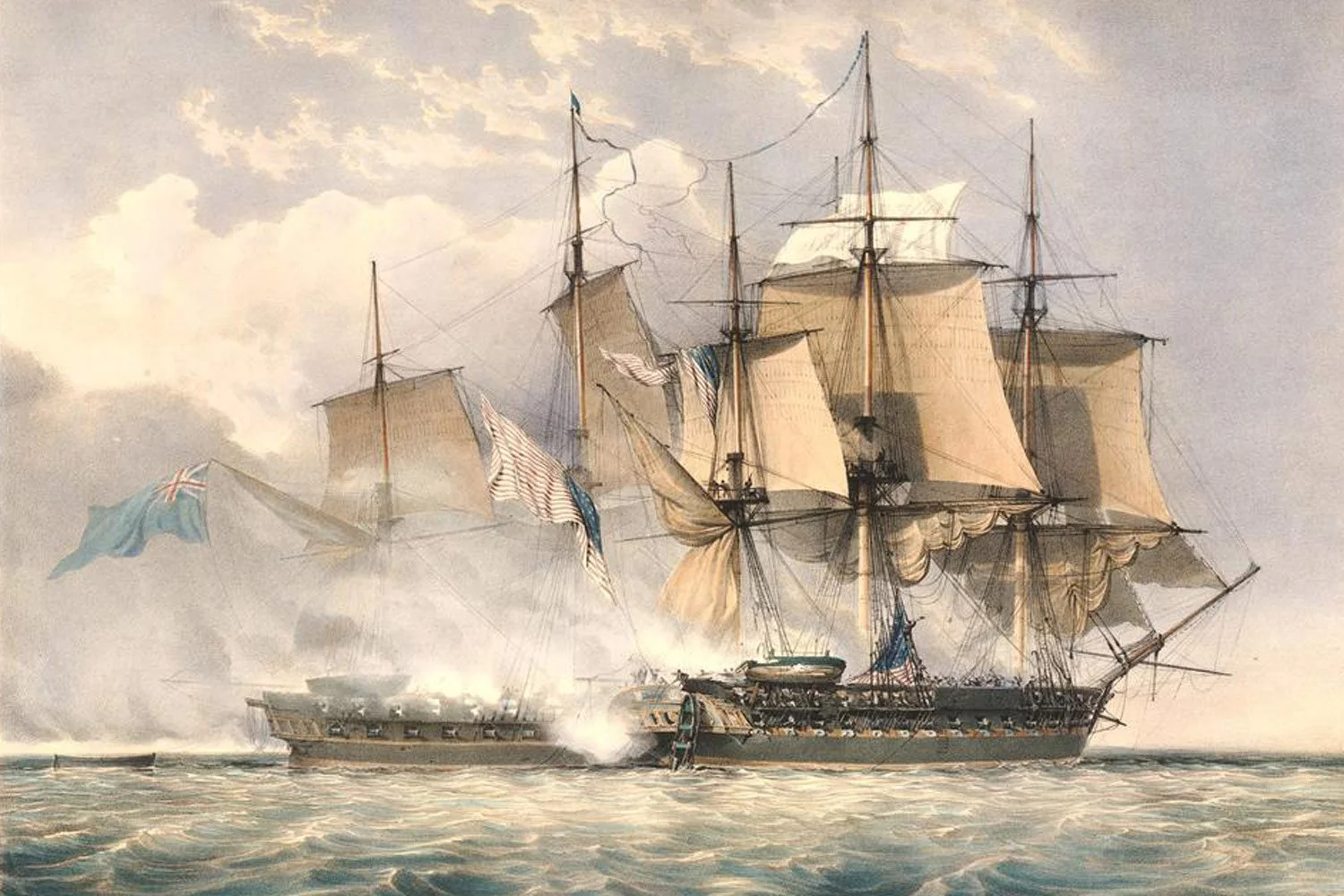
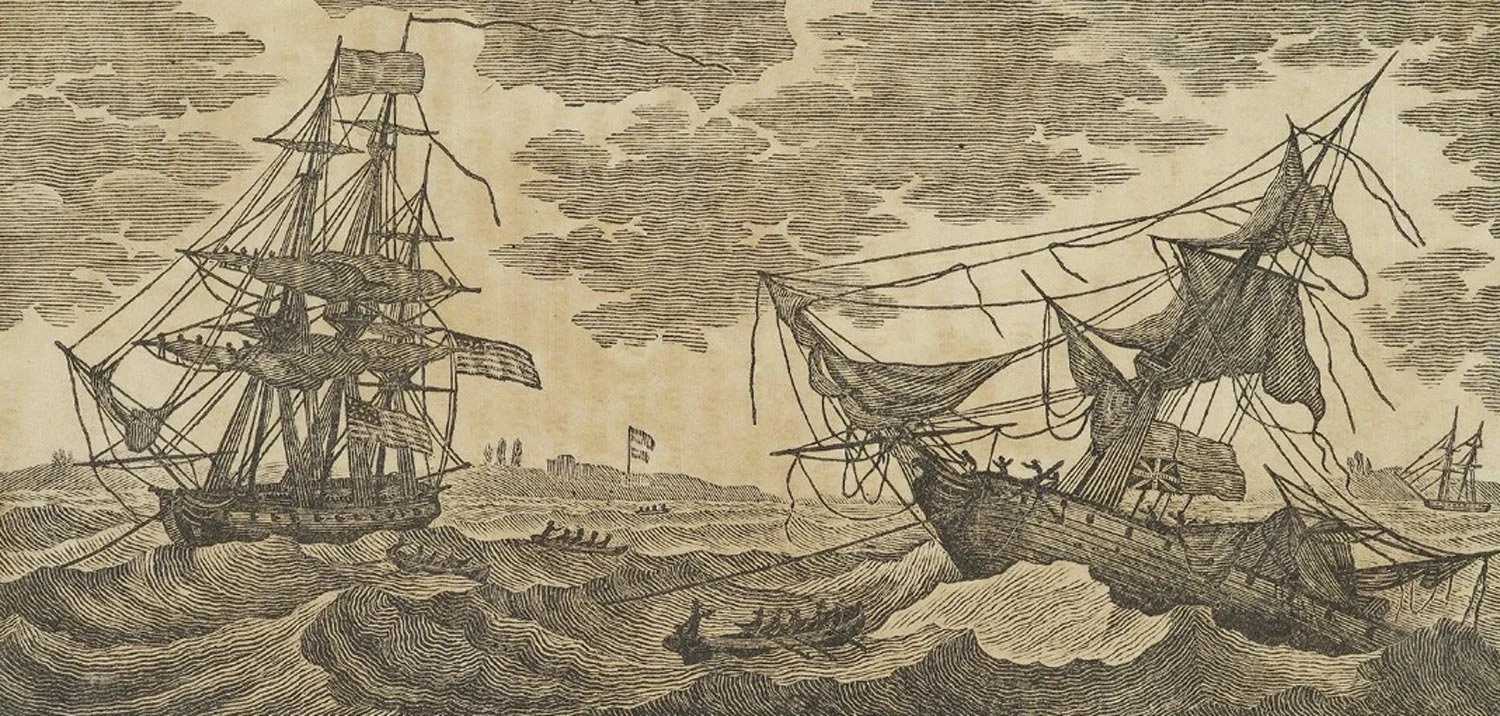
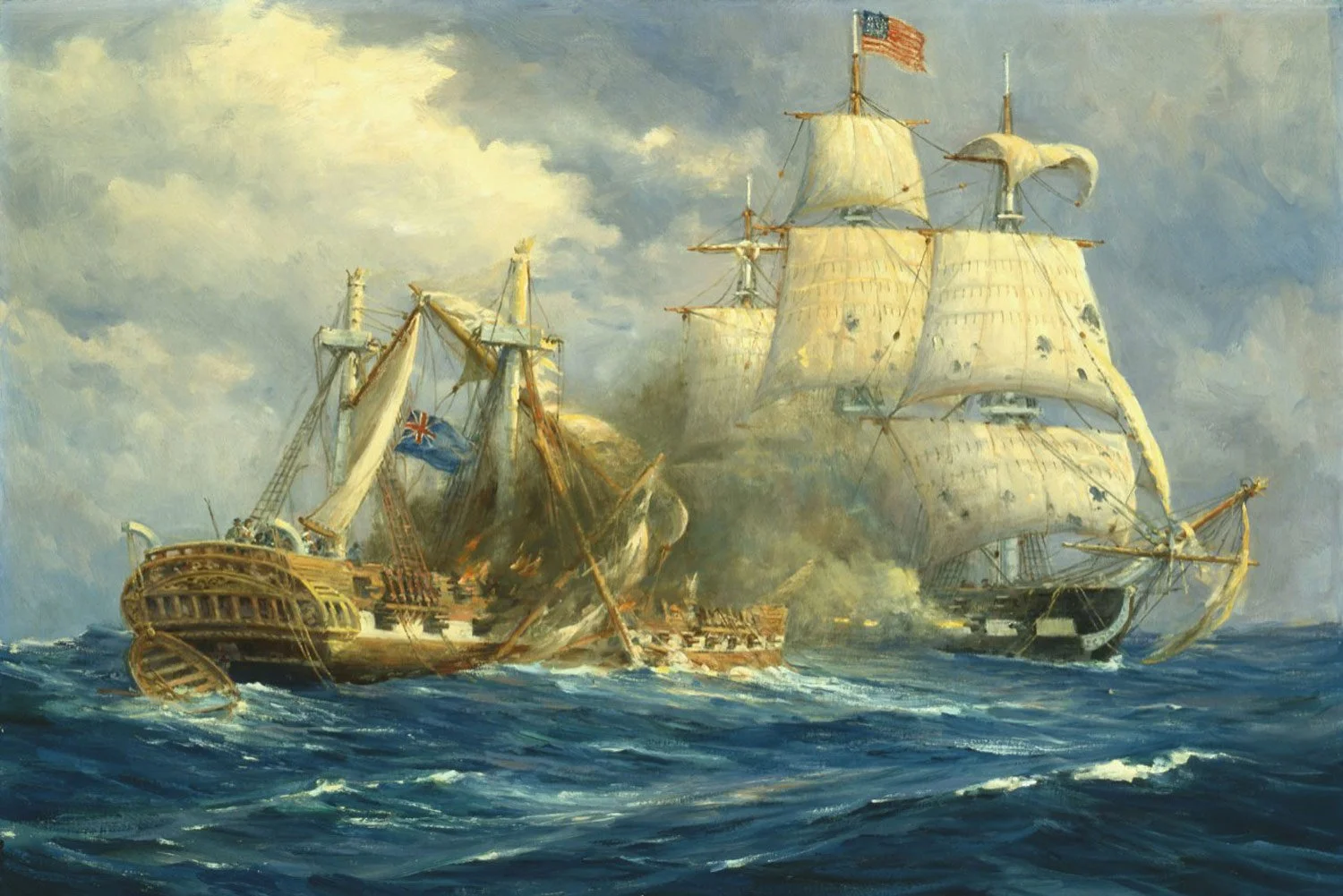
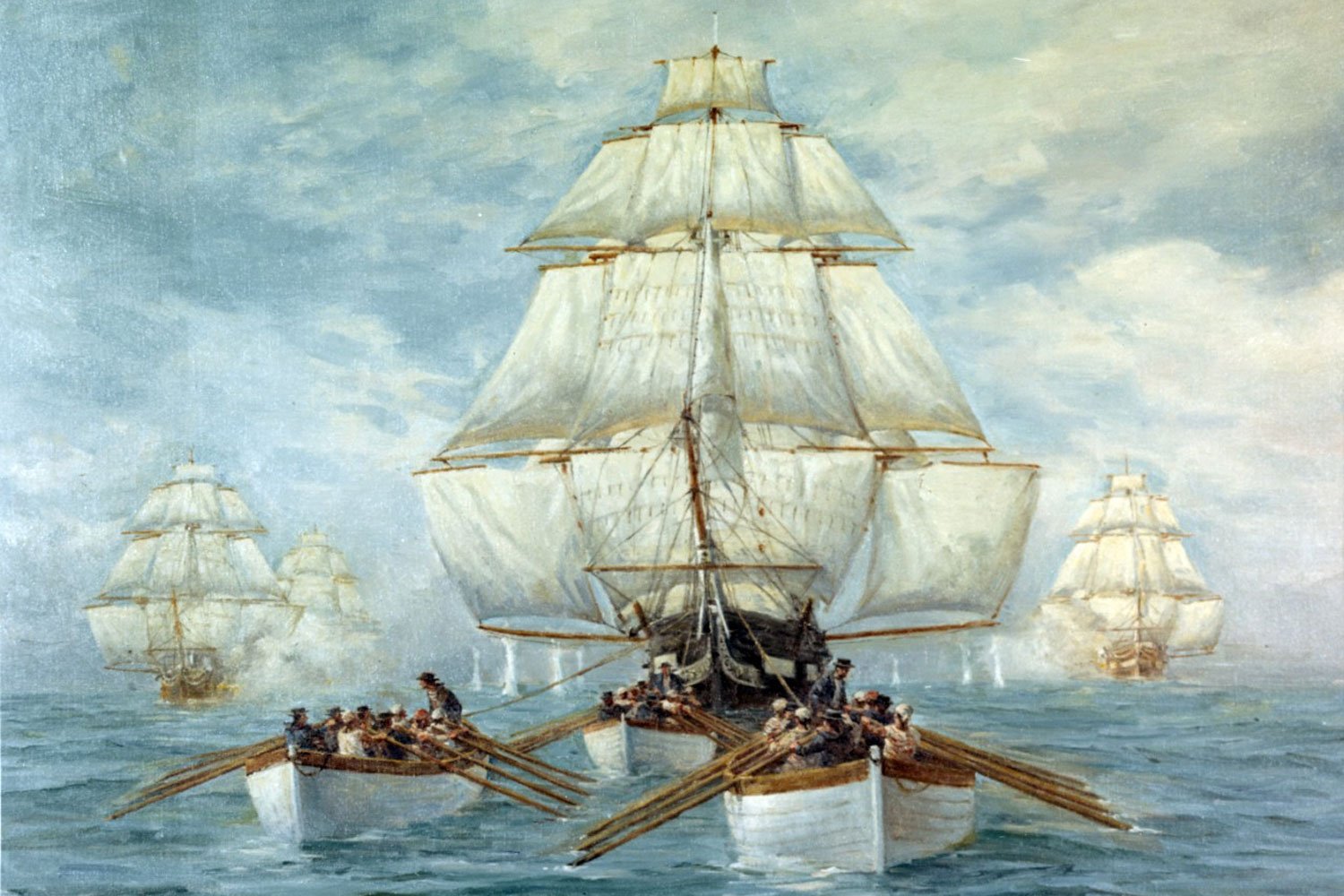
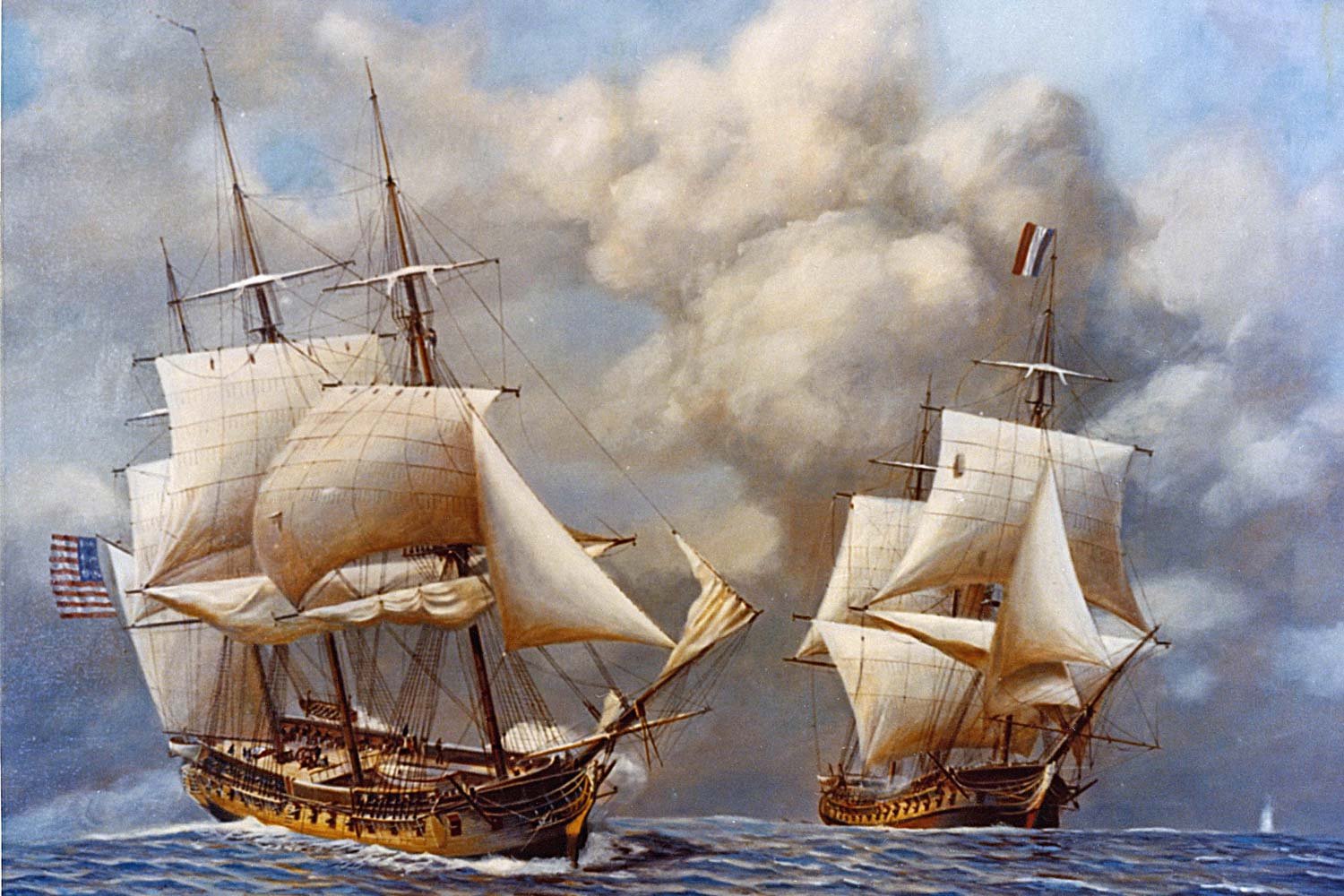
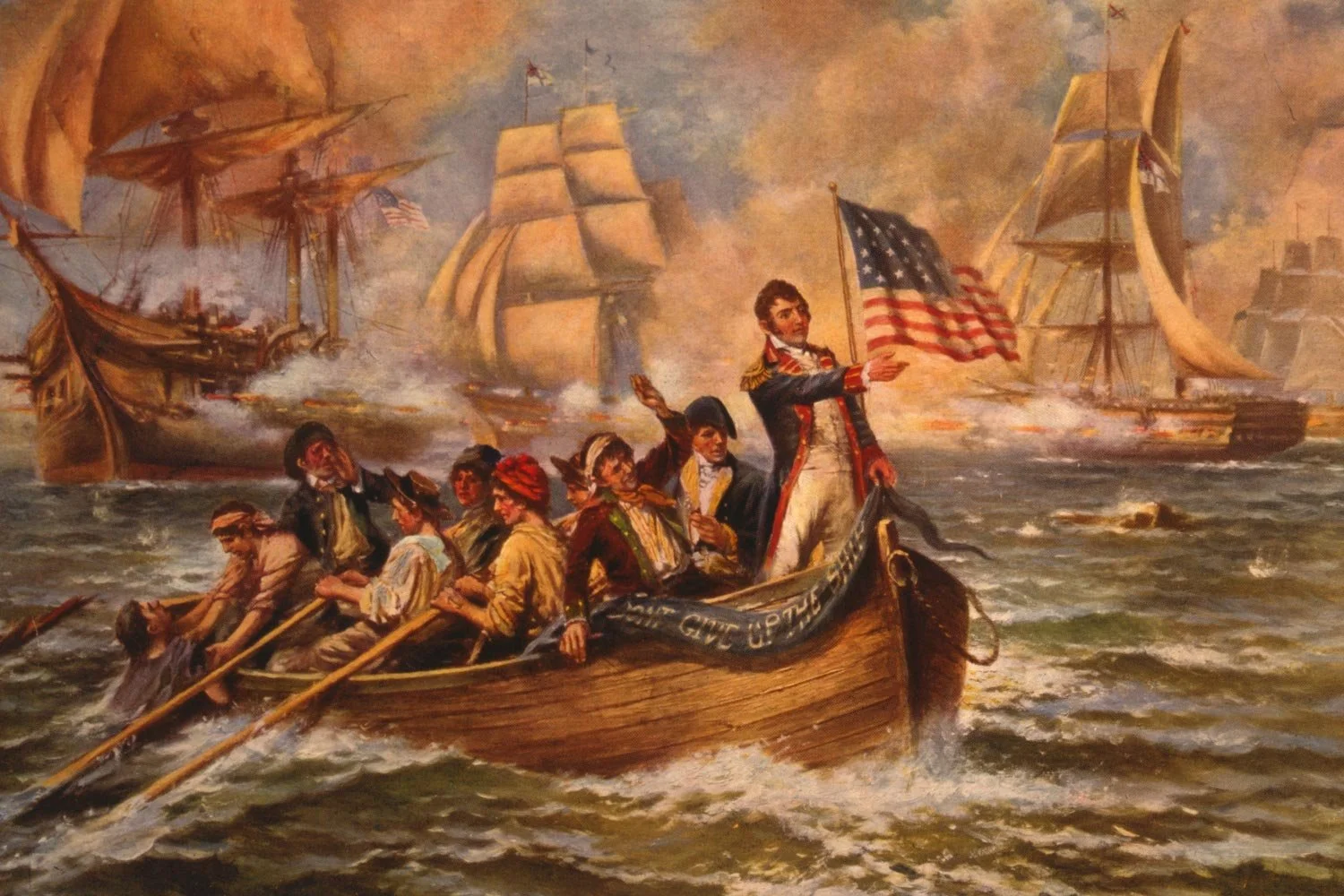
The United States Navy enjoyed some remarkable successes at the start of the War of 1812, including winning all three single-ship engagements with Royal Navy frigates. But in February 1813, the British began a blockade of the Delaware and Chesapeake Bays, and Admiral John Warren, commander of the North American squadron, extended the blockade to all other ports except those in New England. As goods and crops piled up on wharves, local prices fell dramatically and merchants and farmers suffered financial hardships. Besides the American merchant fleet, national warships suffered as well, and, by the end of 1814, the U.S. Navy had been essentially swept from the sea.
Tom Hand, creator and publisher of Americana Corner, discusses the profound effect the British blockade had on the War of 1812 and why it still matters today.
Images courtesy of Naval History and Heritage Command, New York Public Library, Library of Congress, Library Company of Philadelphia, Wikimedia.



As the sun rose on August 24, 1814, the few residents remaining in Washington must have felt assured that the city was safe if they had read the morning papers. The National Intelligencer stated, “We feel assured that the number and bravery of our men will afford complete protection to the city.” And that sentiment was echoed by the Georgetown Federal Republican, which wrote, “It is highly improbable that...the enemy would advance nearer to the capital.”