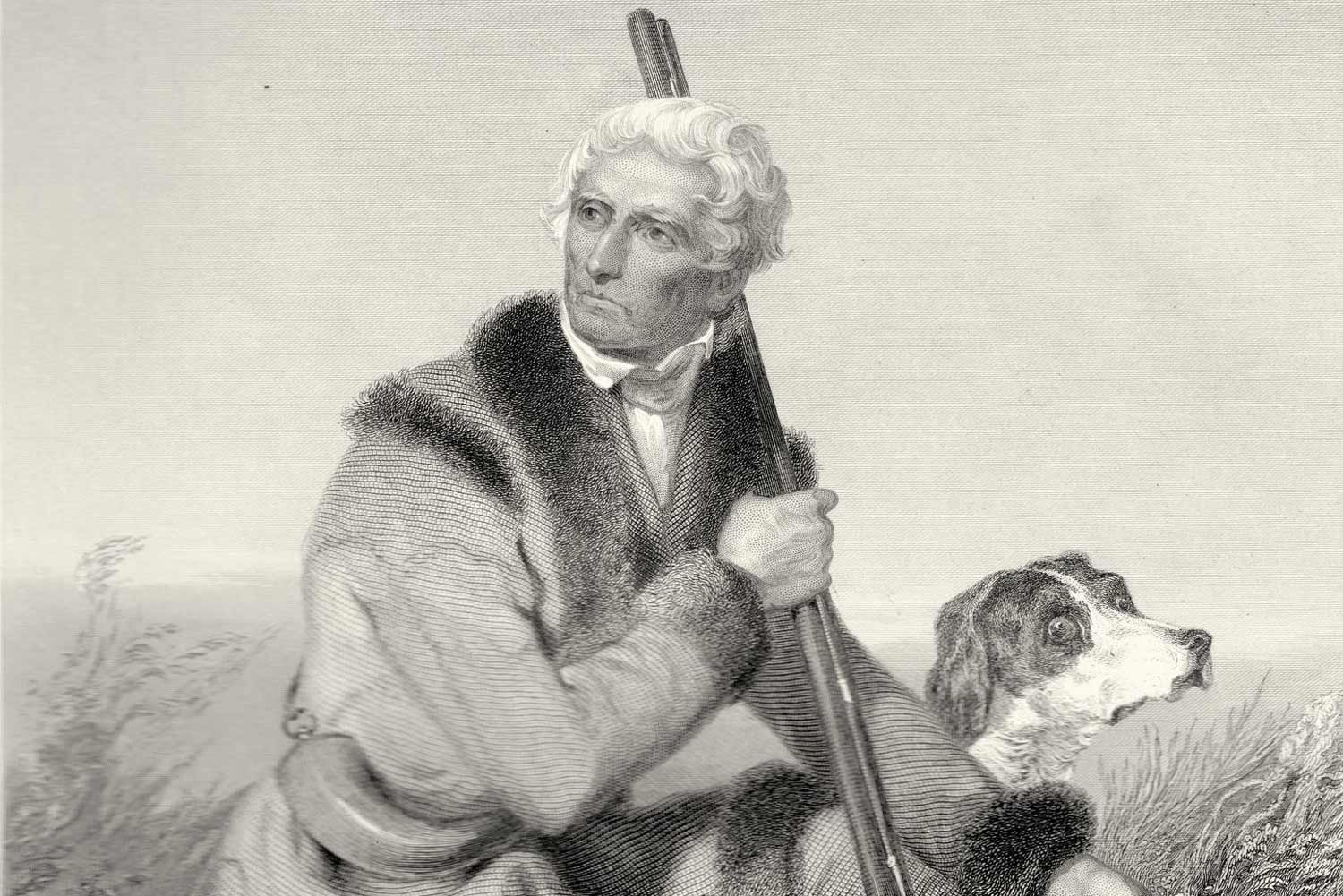
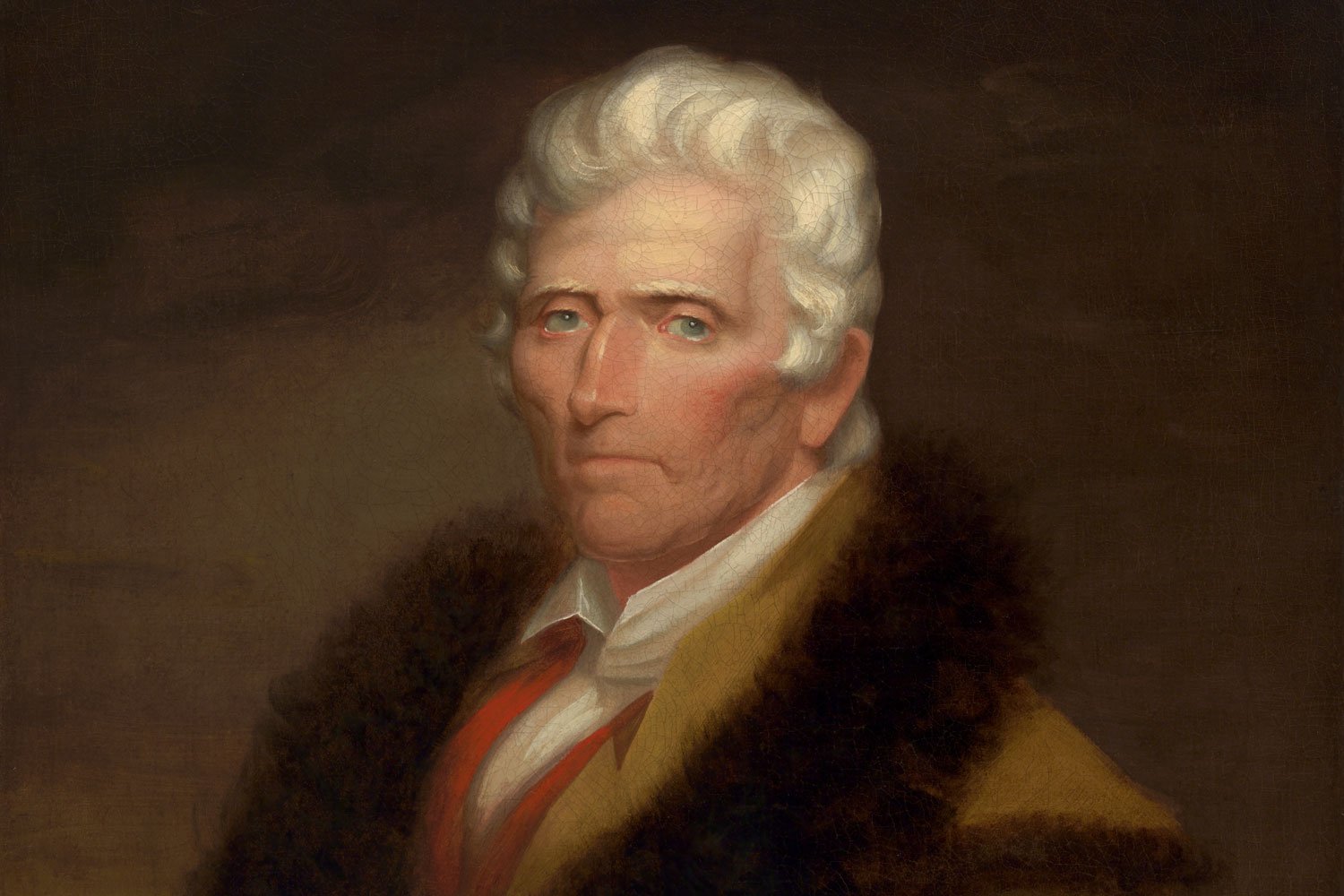
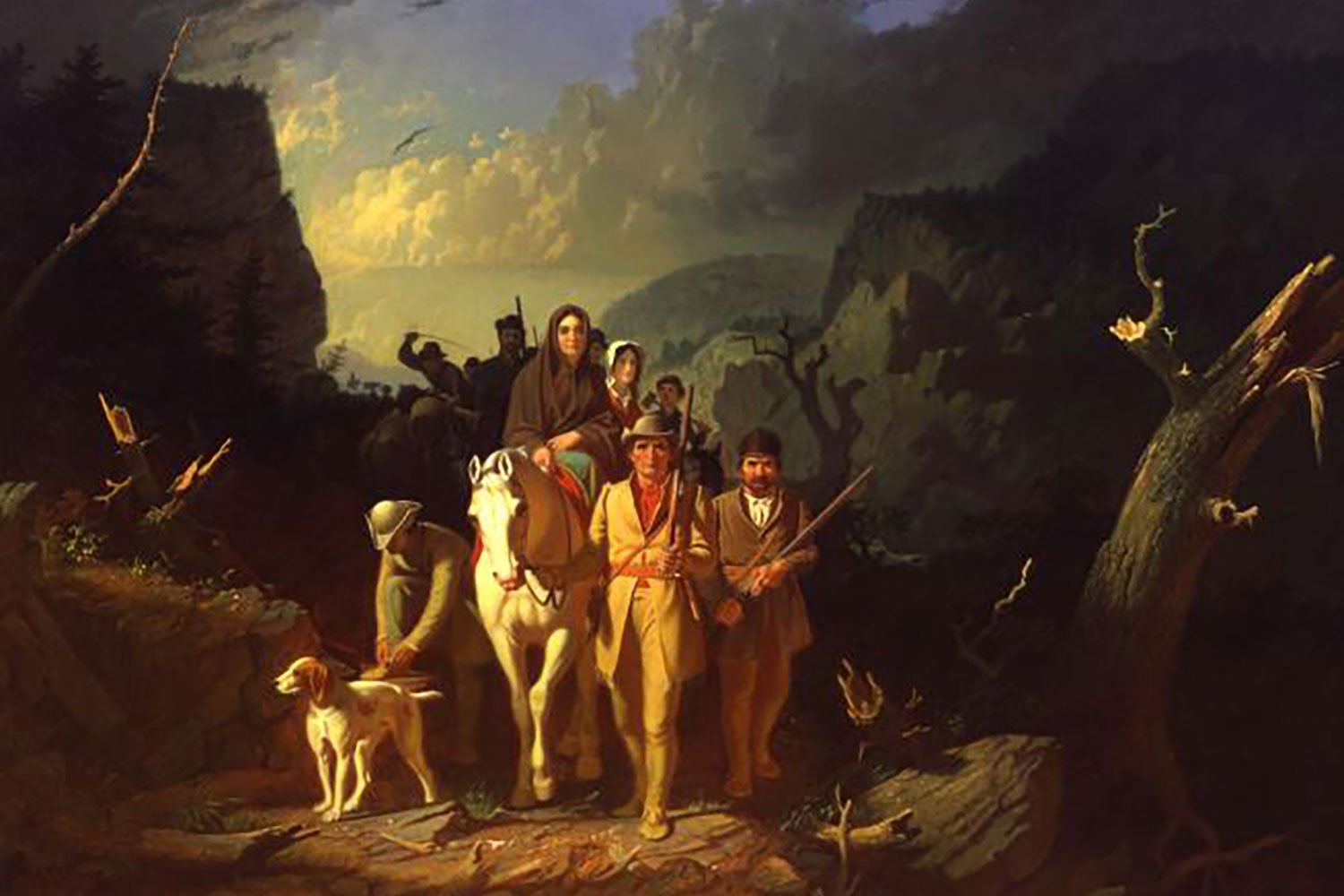
Daniel Boone was one of the greatest American explorers from our founding era. Born in 1734 in southeastern Pennsylvania, his family moved to North Carolina in 1750, where he joined the local militia and participated in the ill-fated Braddock expedition at the Battle of the Monongahela. In 1756, Boone married Rebecca Bryan, with whom he raised 10 children. He spent the next decade ranging far and wide into the Appalachians, getting his first glimpses of Kentucky and honing his mountain skills.
Tom Hand, creator and publisher of Americana Corner, discusses the early life of Daniel Boone, and why it still matters today.
Images courtesy of National Portrait Gallery – Smithsonian Institution, Library of Congress, North Carolina State Archives, Missouri Historical Society, National Park Service, Encyclopedia Virginia, Wikipedia.
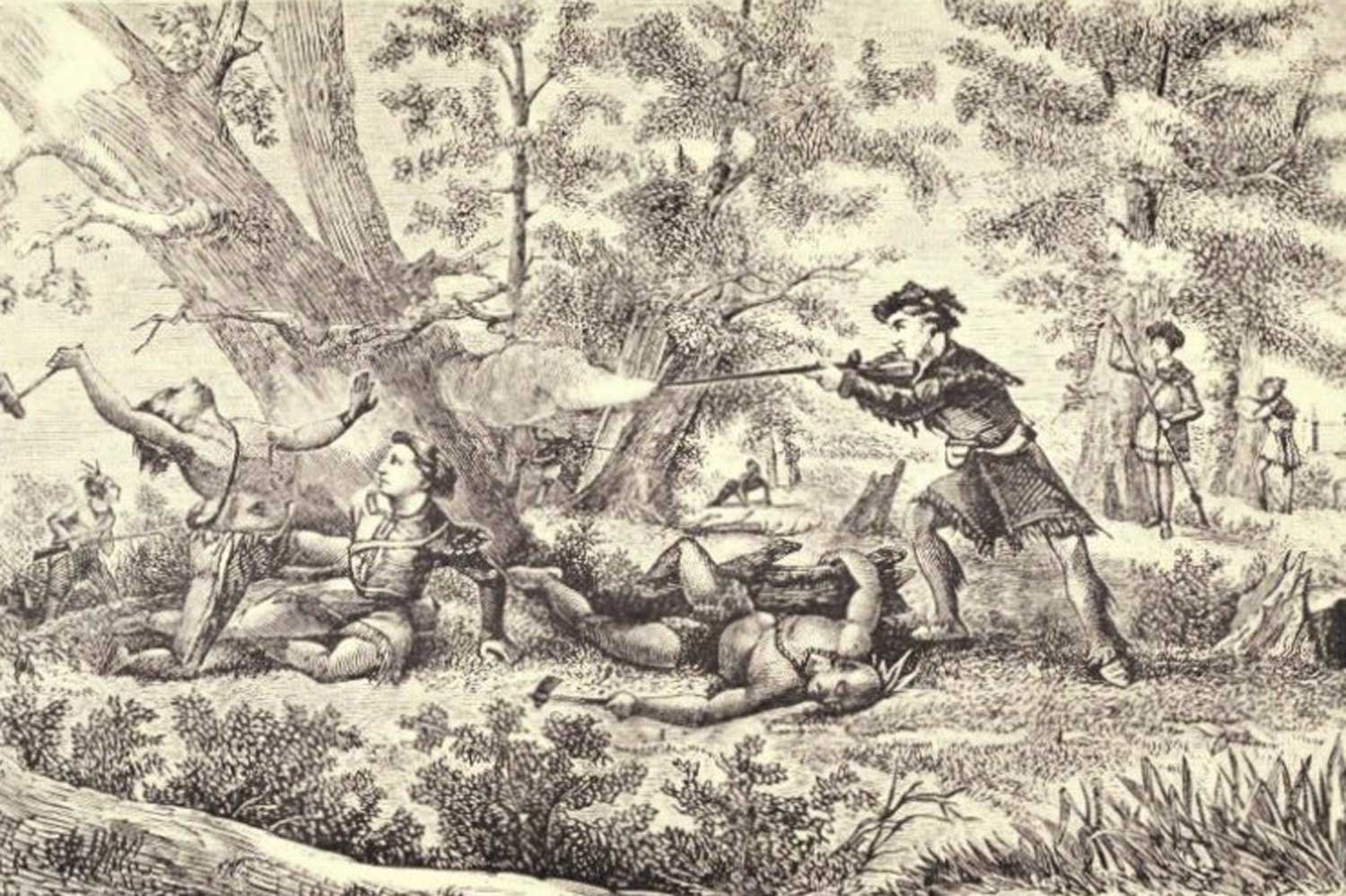
With the capture of Fort Sackville, Kaskaskia, and Cahokia, Lieutenant Colonel George Rogers Clark had gained control of the southwestern portion of the Province of Quebec, better known as the Illinois Country, for the United States. Clark was at the height of his popularity, but the ambitious twenty-six year old wanted more and turned his attention to the crown jewel of British possessions in that part of the world, Fort Detroit.
By the end of 1765, peace was reached with the tribes who had participated in Pontiac’s rebellion, but all parties recognized this peace was tentative and temporary at best. The British colonist’s insatiable appetite for land and the Indians' need for huge swaths of unsettled wilderness for hunting were two incompatible desires.
Soon after the American Revolution began in 1775, Daniel Boone joined the Virginia militia of Kentucky County (later Fayette County) and was named a captain due to his leadership ability and knowledge of the area. Over the next several years, Boone would participate in numerous engagements.
One of the greatest American explorers from our founding era was Daniel Boone. A legendary woodsman, Boone helped to make America’s dream of westward expansion in the late 1700s a reality.
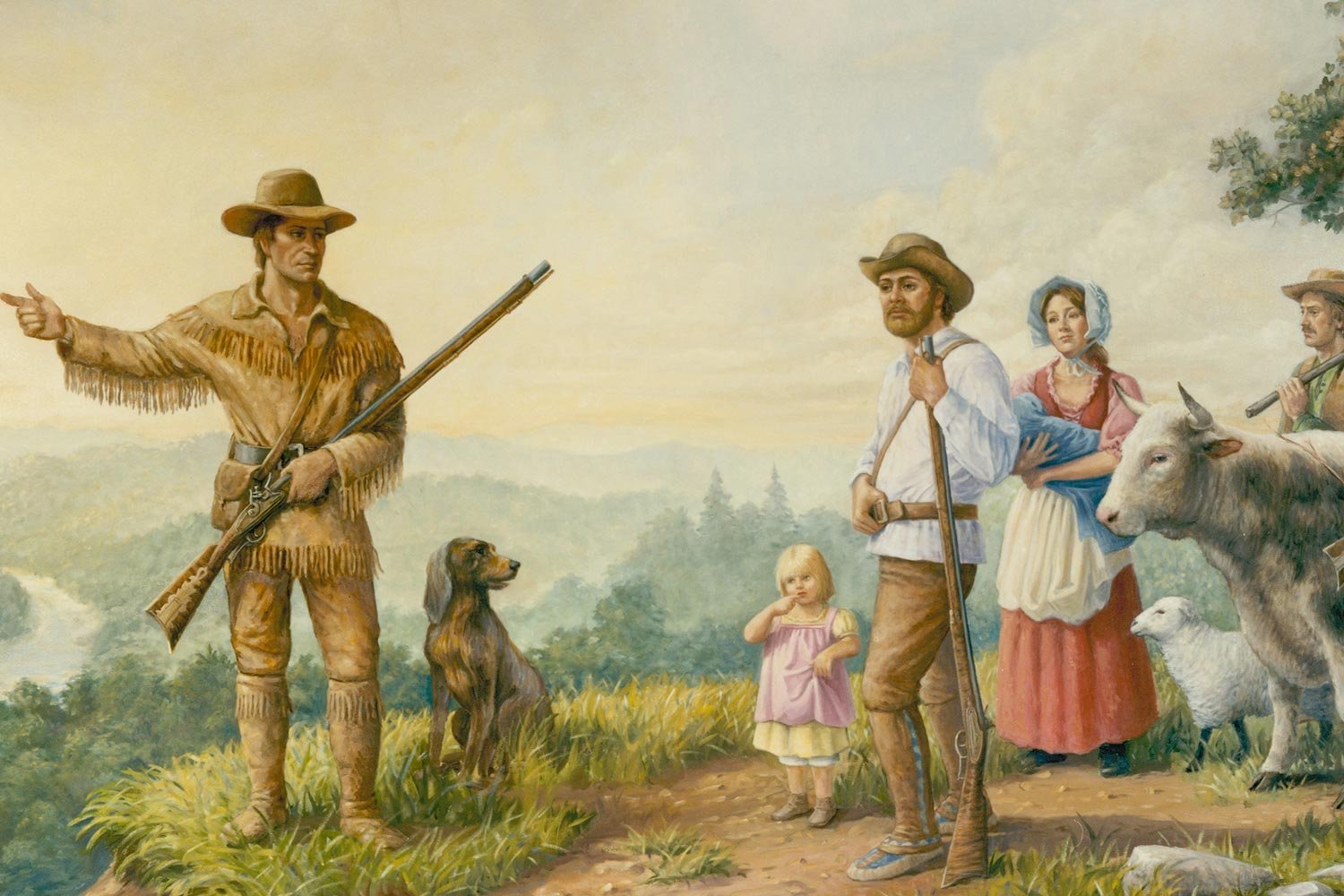
The Wilderness Road, running from northeast Tennessee through the Cumberland Gap, was the main thoroughfare for Americans heading west into the new promised land of Kentucky from 1775 to about 1820. The pathway, blazed by Daniel Boone, was our nation’s first migration highway, but the trip was not for the faint of heart.
Americans have always had a yearning to move west and discover new lands. Along the way, our ancestors had to overcome many daunting natural barriers, the first of which was the Appalachian Mountains. The Wilderness Road through the Cumberland Gap was our nation’s first pathway through this formidable range.
The American Revolution was winding down in the second half of 1782, with peace negotiations being conducted in earnest in Europe. But those talks appeared to have little impact on the actions of the main antagonists, as both sides were preparing invasions to punish their adversary.