
Browse Articles by Category

Colonial Era
American Revolution

The New Nation

National Expansion and Reform

Civil War and Reconstruction (Coming Soon)
American Judiciary, Part 8: The Impeachment of Samuel Chase
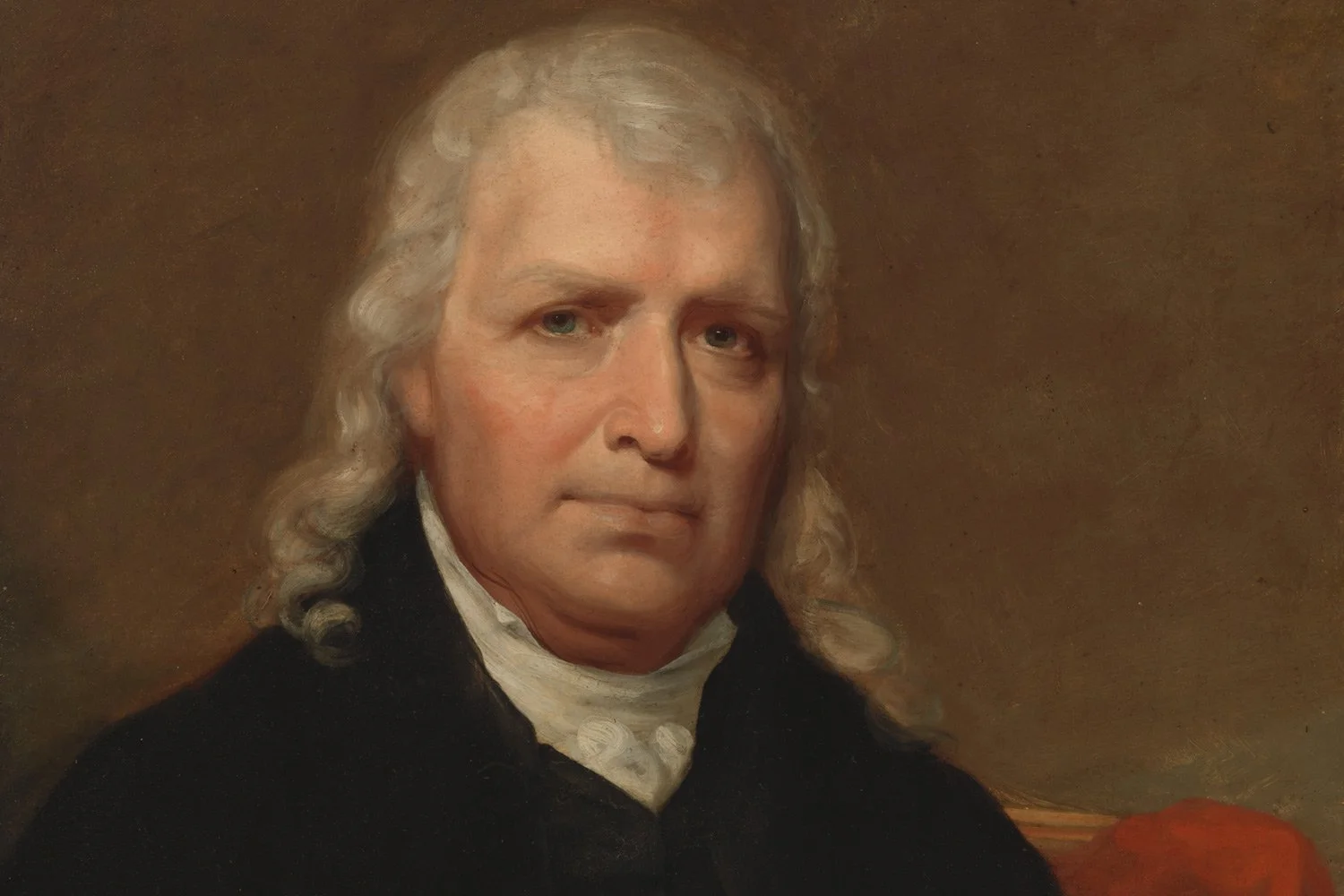
There has been only one instance in our nation’s history of a United States Supreme Court Justice being impeached, and that occurred in 1804 during a significant political tussle over the independence and power of the judiciary. The justice in question was Samuel Chase and his alleged crimes seem trivial in retrospect, but Chase was simply a pawn in an ongoing battle of wills between two American icons, President Thomas Jefferson and Chief Justice John Marshall that took place in the early 1800s. And the decision reached in his case would have a profound impact on the future of the country.
American Judiciary, Part 7: Marbury v. Madison
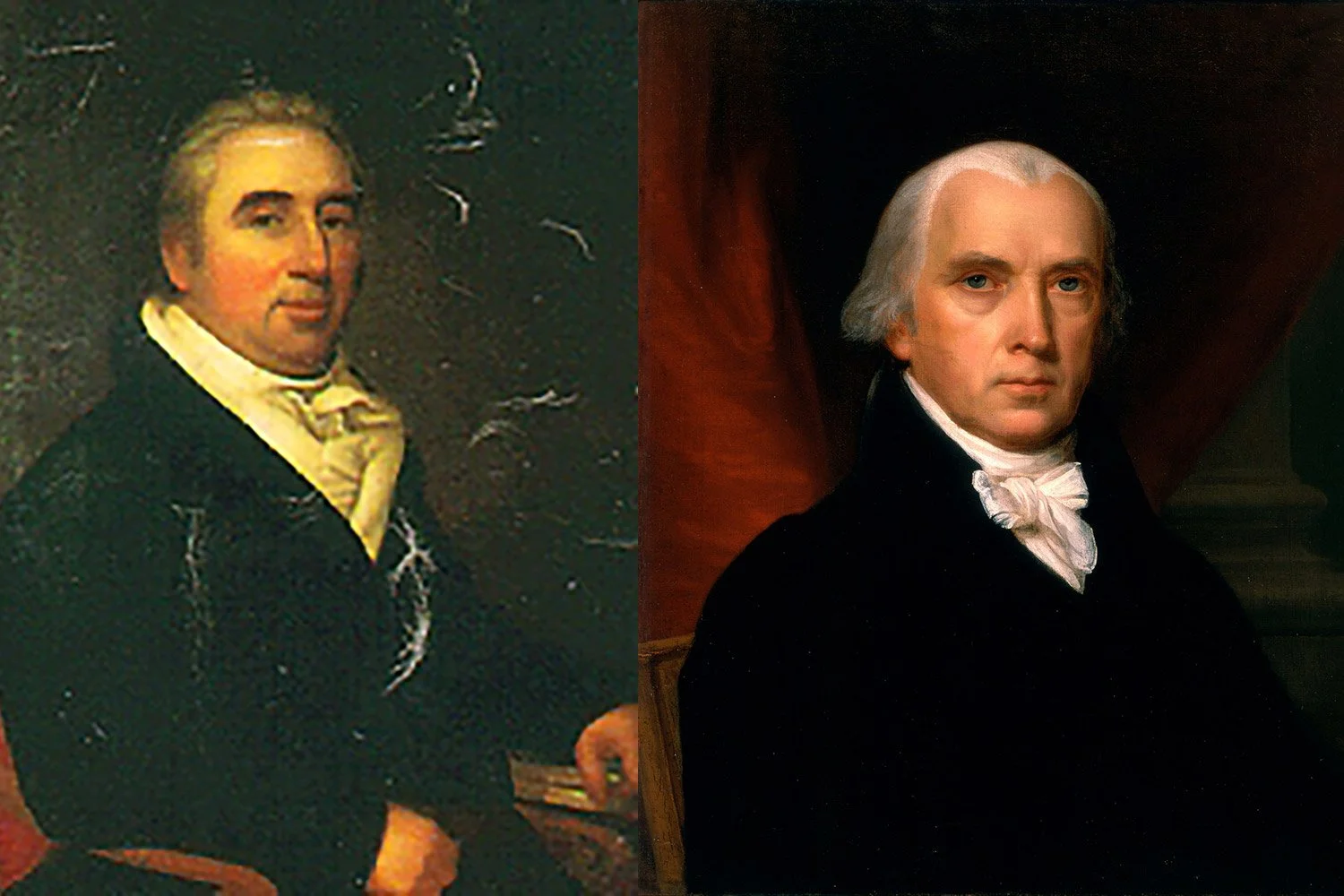
Marbury v Madison is the most consequential legal decision in our nation’s history because it established the concept of judicial review in the United States. This principal grants to the judiciary the responsibility to review laws for their constitutionality and gives it the power to void legislation it finds repugnant to the Constitution. That decision was rendered by John Marshall, Chief Justice of the Supreme Court in 1803, but the road to that decision extends further back.
American Judiciary, Part 6: The Nationalist from Virginia
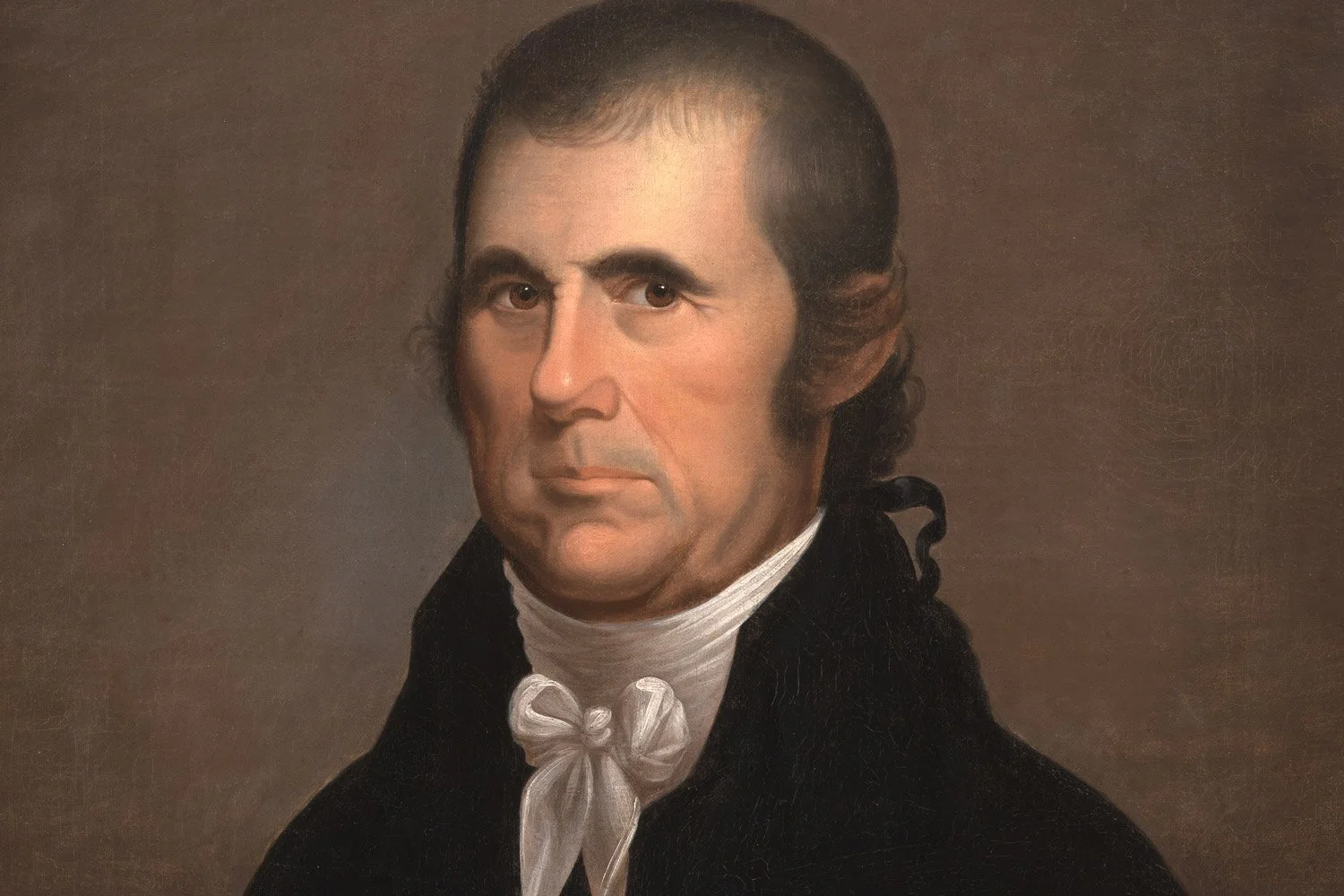
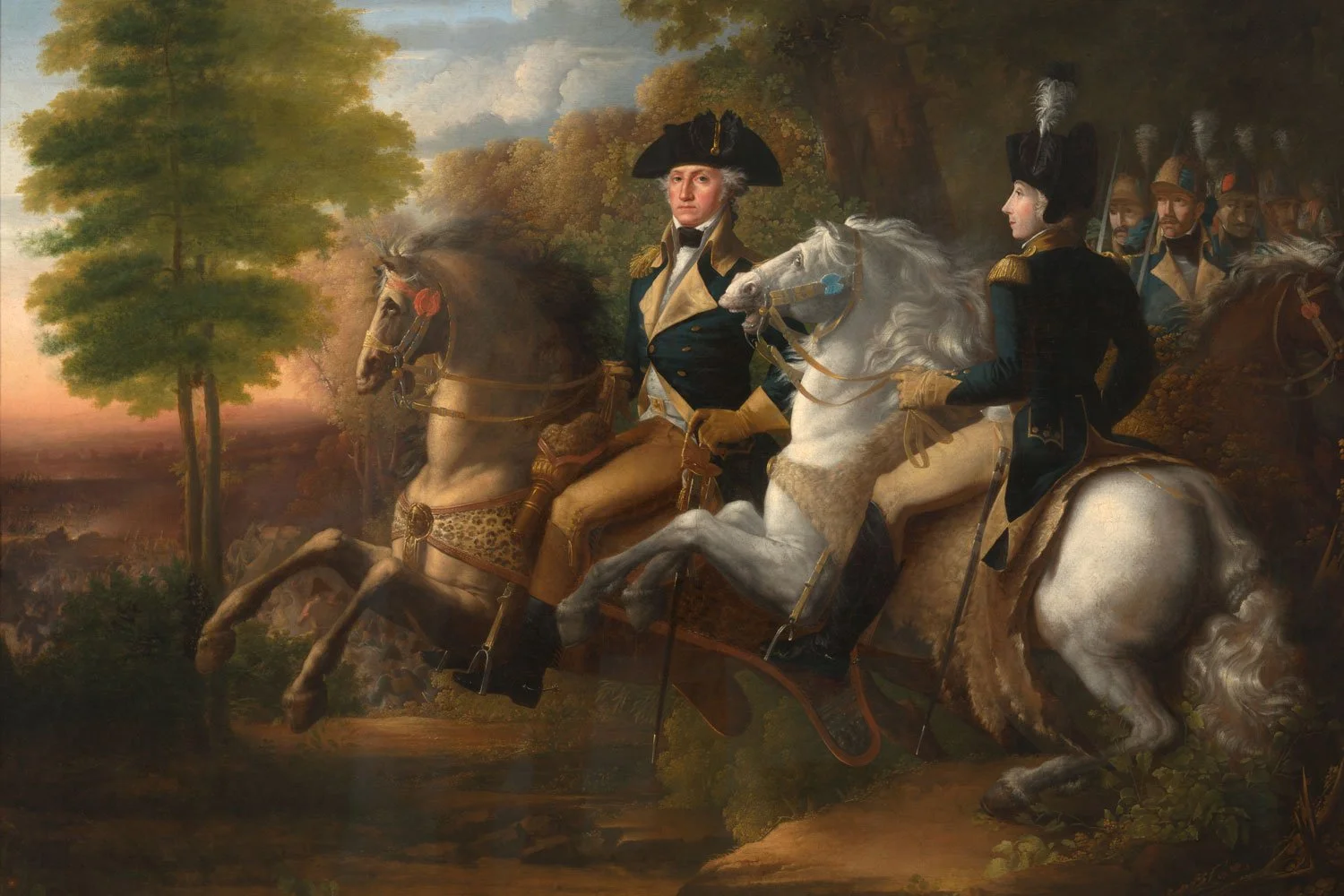
John Marshall's active service in the Continental Army ended in December 1779, although he did not officially retire from the military until February 1781. Marshall went home to Virginia to await his next command, anxious to get back into the fight, but that call never came as the war in the north wound down.
American Judiciary, Part 5: John Marshall, Soldier of the Revolution
In early December 1775, Major Thomas Marshall and his son, Lieutenant John Marshall, and the rest of the Culpepper Minutemen were ordered to join Colonel William Woodford at Great Bridge, a small village nine miles south of Norfolk. Here, in the first fight of the American Revolution in Virginia, the young Lieutenant from the frontier would get his initial taste of battle.
American Judiciary, Part 4: The Early Life of John Marshall
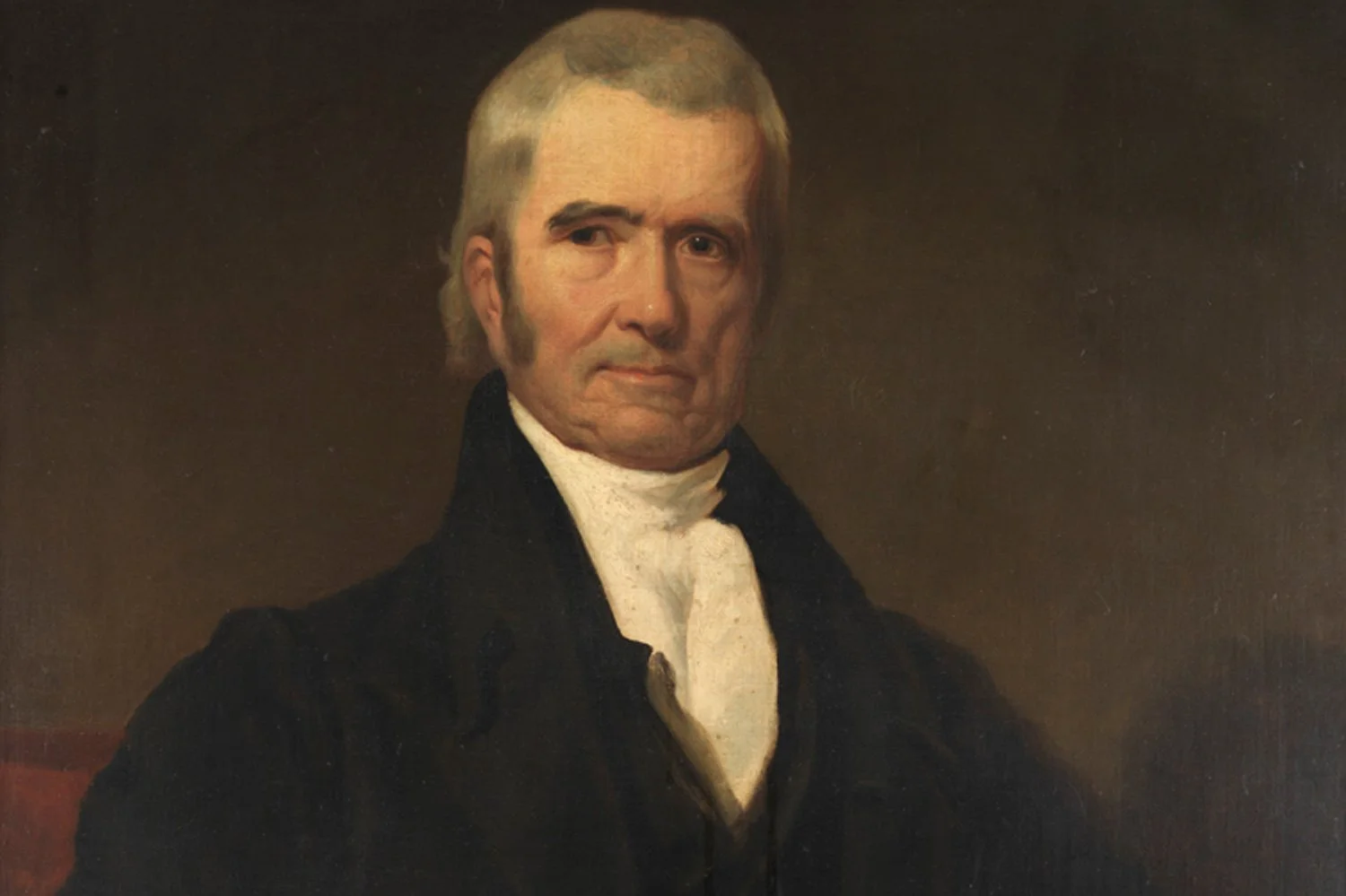
John Marshall is perhaps the most impactful and influential man in American history who was never president. Almost single handedly, John Marshall created our national judiciary and established it as a branch of government co-equal to the legislative and executive branches.

American Judiciary, Part 3: Last Bastion of the Federalists
After the Federalists were voted out of office in the fall of 1800 by Thomas Jefferson’s Democratic-Republican Party, the need for reform to the judicial system, the last stronghold of Federalist authority, became the most pressing concern of the outgoing Adams administration.

American Judiciary, Part 2: An Independent Federal Judiciary
One of the foundational governing principles of the Constitution created at the Philadelphia Convention in the summer of 1787 was a separation of powers between the national legislative, executive, and judicial branches. But while significant operating concepts and responsibilities were set forth for Congress and the Executive in the Constitution, the delegates barely addressed the specific structure of the Judicial branch.
American Judiciary, Part 1: Courts in Early America
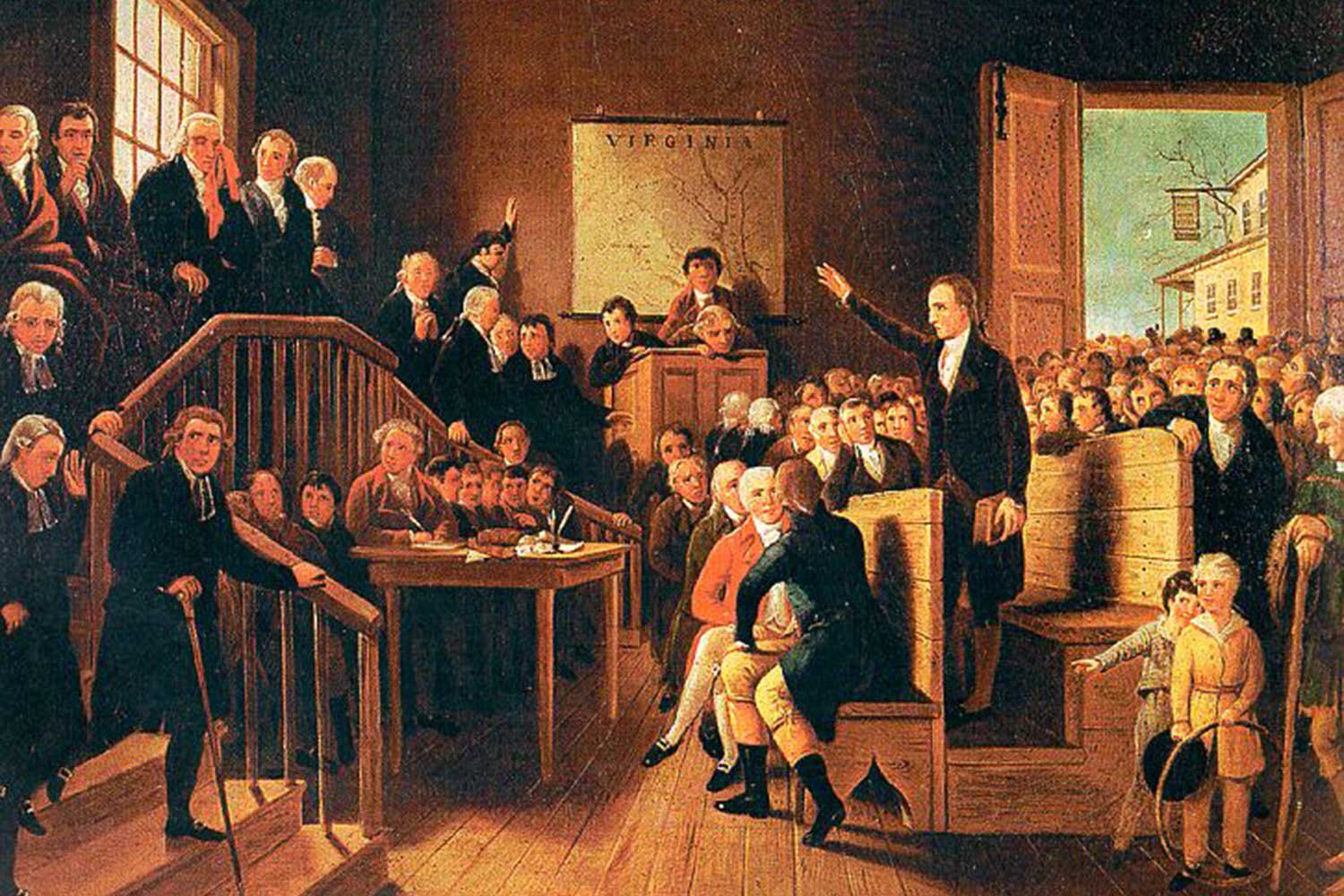
The court system in Colonial America, not surprisingly, mirrored that of Great Britain and became one of the great sources of discontent as American colonists moved towards independence. The main issue was over who would control or have the greatest influence on the judiciary.

The Barbary Wars, Part 5: U.S. Navy Triumphant in Tripoli
Commodore Edward Preble assembled his considerable American fleet just outside Tripoli harbor in August 1804, determined to punish the city and its corsairs, and force Yusuf Karamanli, the Dey of Tripoli, to sue for peace.

The Barbary Wars, Part 4: To the Shores of Tripoli
William Eaton led the first successful invasion of a foreign land by the United States when in 1804 he led a handful of Marines and a hodgepodge assembly of Christian mercenaries and unruly Arabs to conquer the Tripolitan port city of Derne.
The Barbary Wars, Part 3: “The Most Daring Act of the Age”
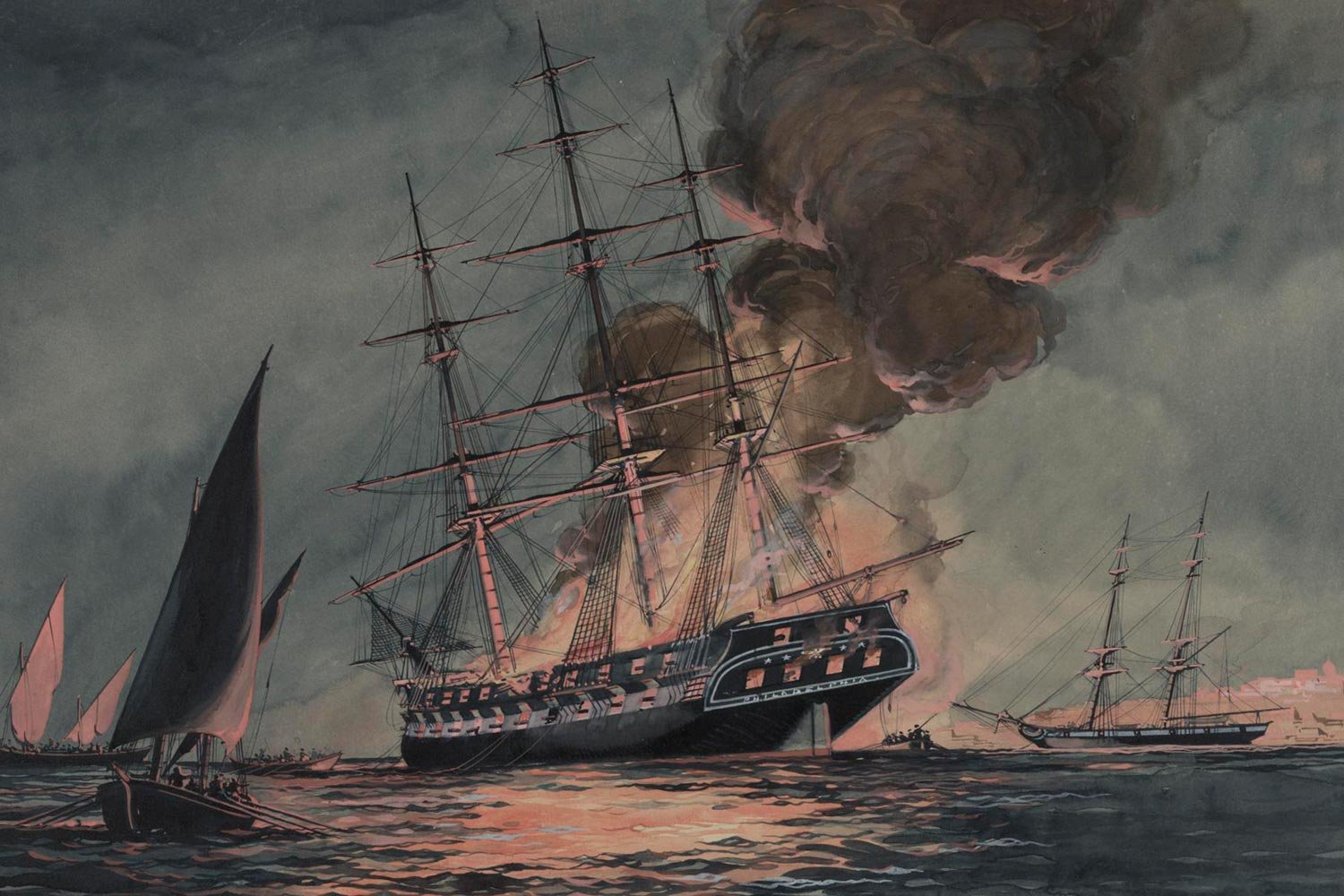
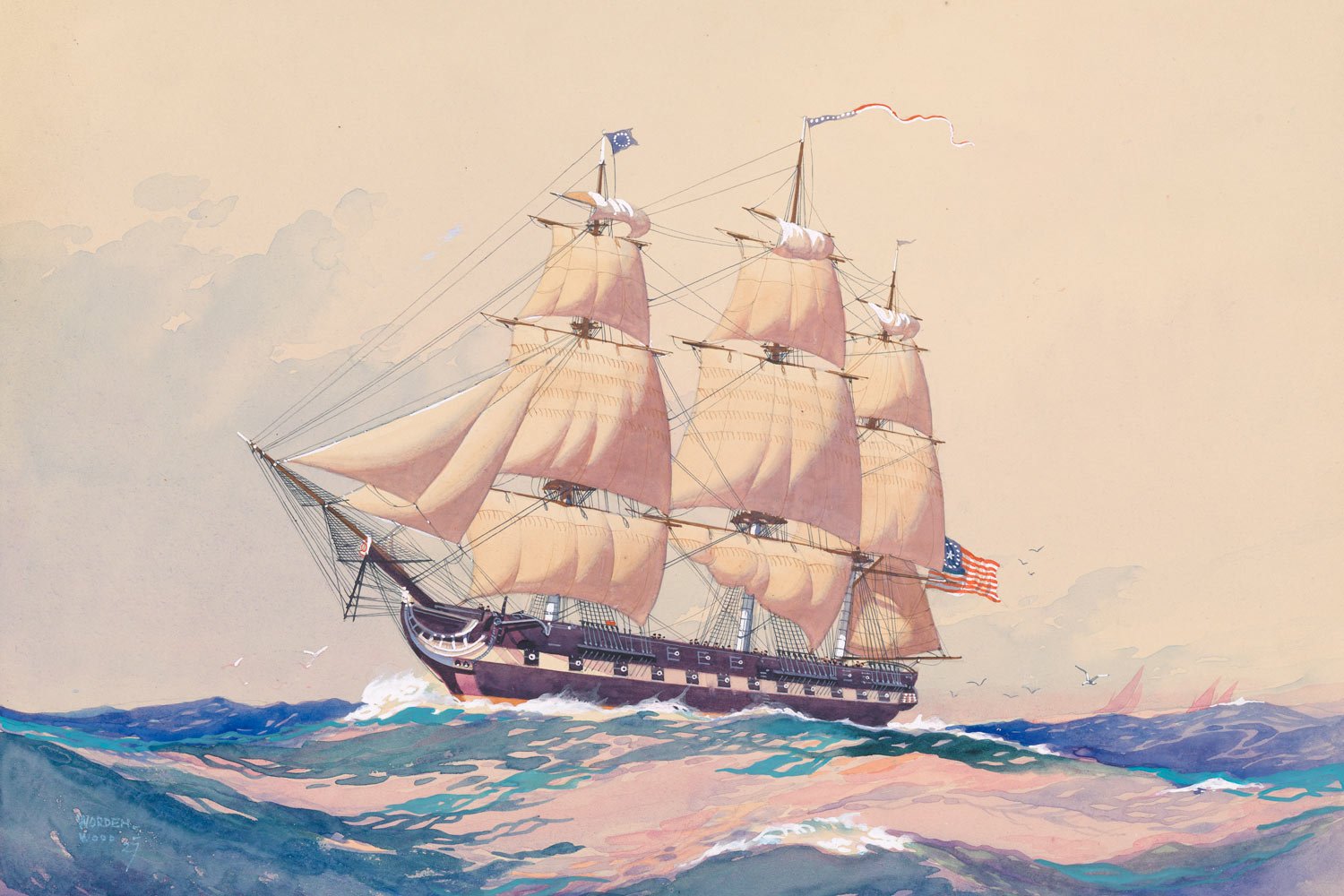
Captain William Bainbridge managed to run the USS Philadelphia hard aground on a submerged reef in Tripoli harbor on October 31, 1803, and this pristine frigate, one of the top ships in the United States Navy was now in grave danger of falling into the hands of the Tripolitan pirates.
The Barbary Wars, Part 2: The Philadelphia is Lost
Soon after Thomas Jefferson was sworn in as our country’s third president on March 4, 1801, Yusuf Karamanli, the Pasha of Tripoli, decided to renounce the existing treaty his North African province had with the United States. Unhappy with the amount of his annual tribute and feeling under-compensated compared to his fellow tyrant, the Dey of Algiers, Karamanli demanded that the new President give him a one-time gift of $250,000 and an annual tribute of $20,000.