
Browse Articles by Category

Colonial Era
American Revolution

The New Nation

National Expansion and Reform

Civil War and Reconstruction (Coming Soon)
War of 1812, Part 22: American Frigates Shock British
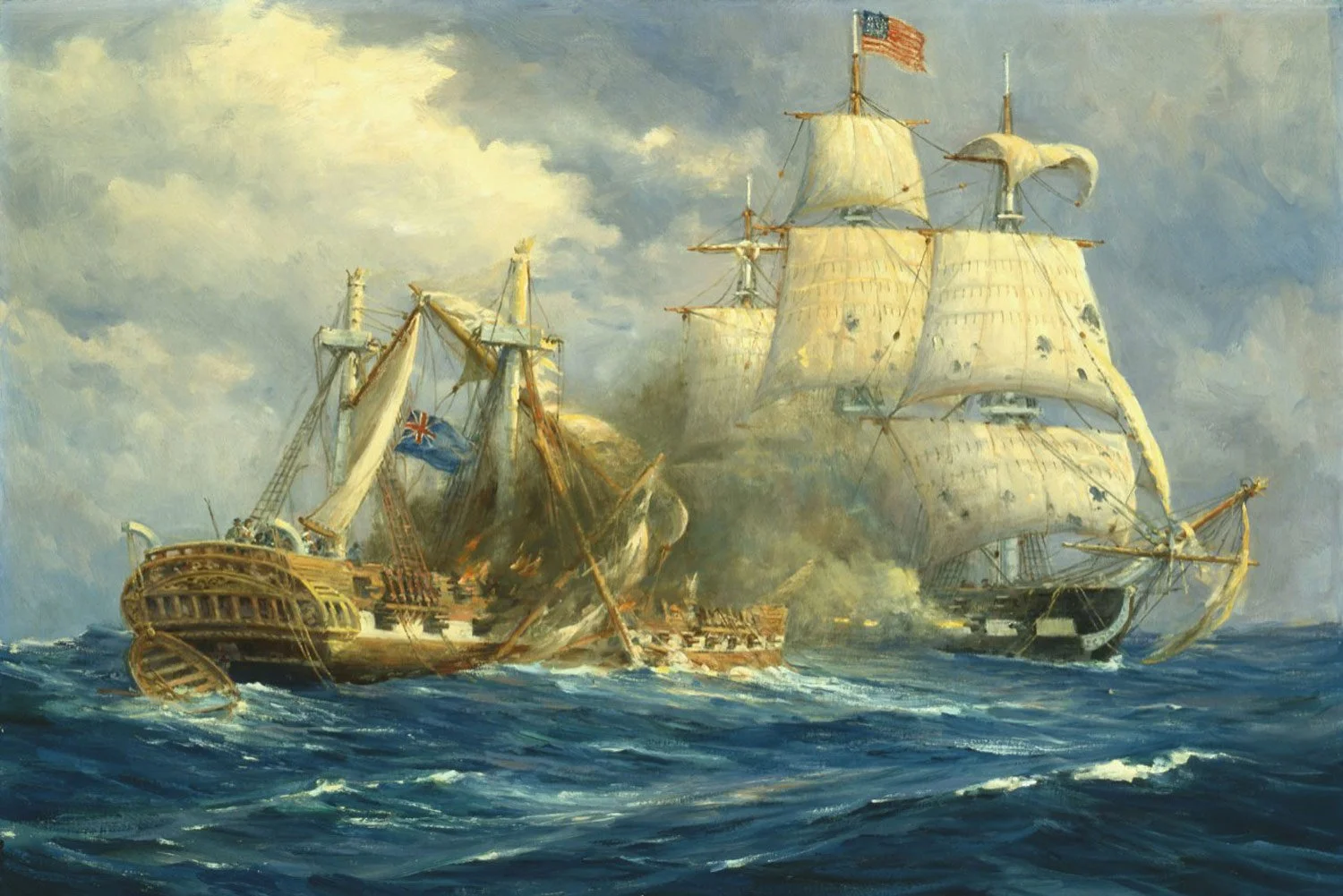
At the start of the War of 1812, there was little confidence outside American naval circles that the United States Navy could hold its own against Great Britain’s vaunted fleet. Politicians both within and without the Madison administration fully recognized that woeful defense funding practices for the previous twelve years had left the navy in a disreputable state. But the next six months would demonstrate that ship for ship and man for man, American sailors were more than a match for the Brits.
War of 1812, Part 21: The Great Naval Chase of 1812
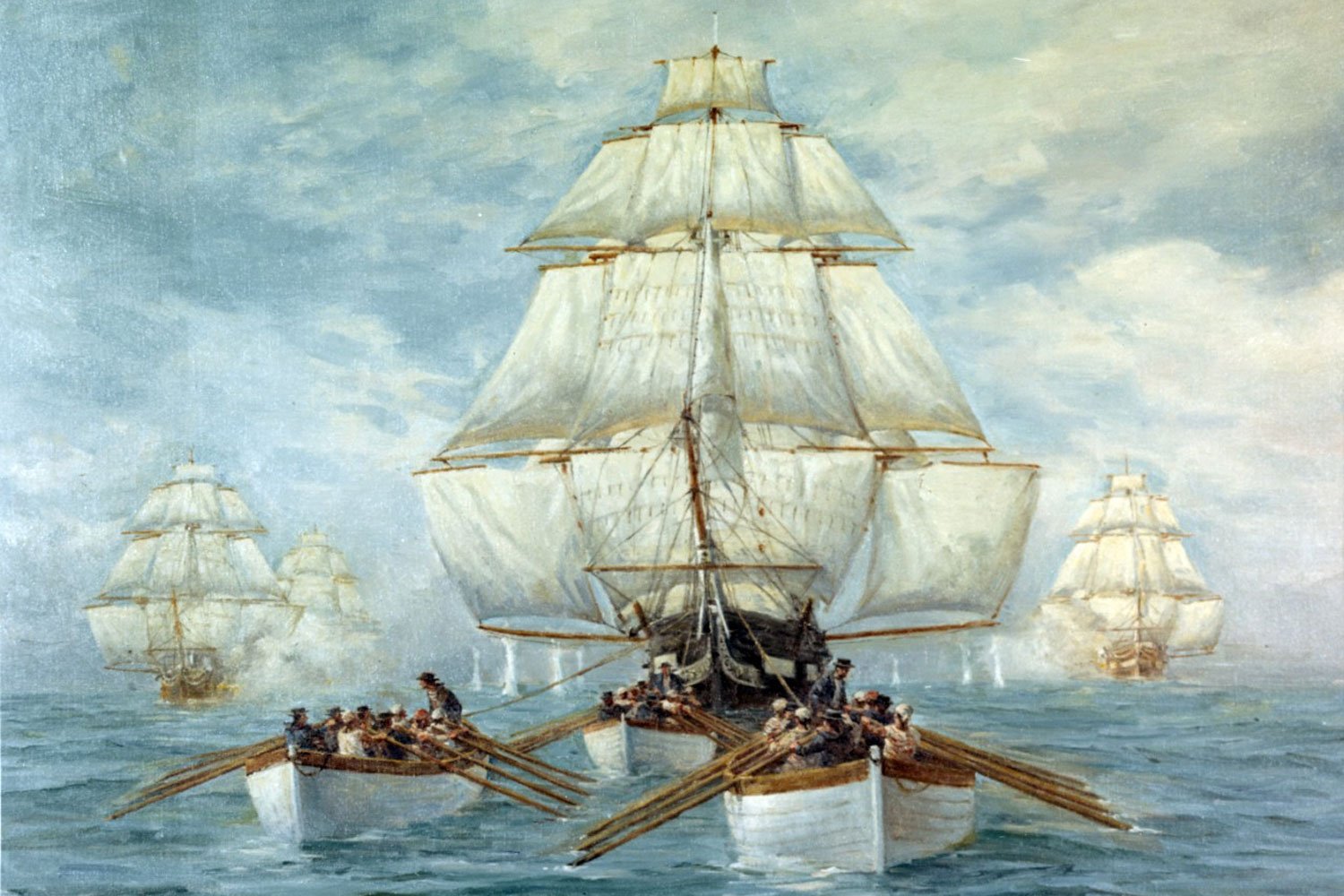
When the United States declared war on Great Britain on June 18, 1812, the nation's army was woefully unprepared for the conflict, and its navy was not much better off. This deficiency would have been a problem against any European nation, but especially when the adversary was the greatest naval force in the world. And to compound matters, the United States was dependent on overseas trade for its economic prosperity and many of its manufactured goods, and those sea lanes were controlled by our newly declared adversary.
War of 1812, Part 20: The U.S. Navy Comes of Age
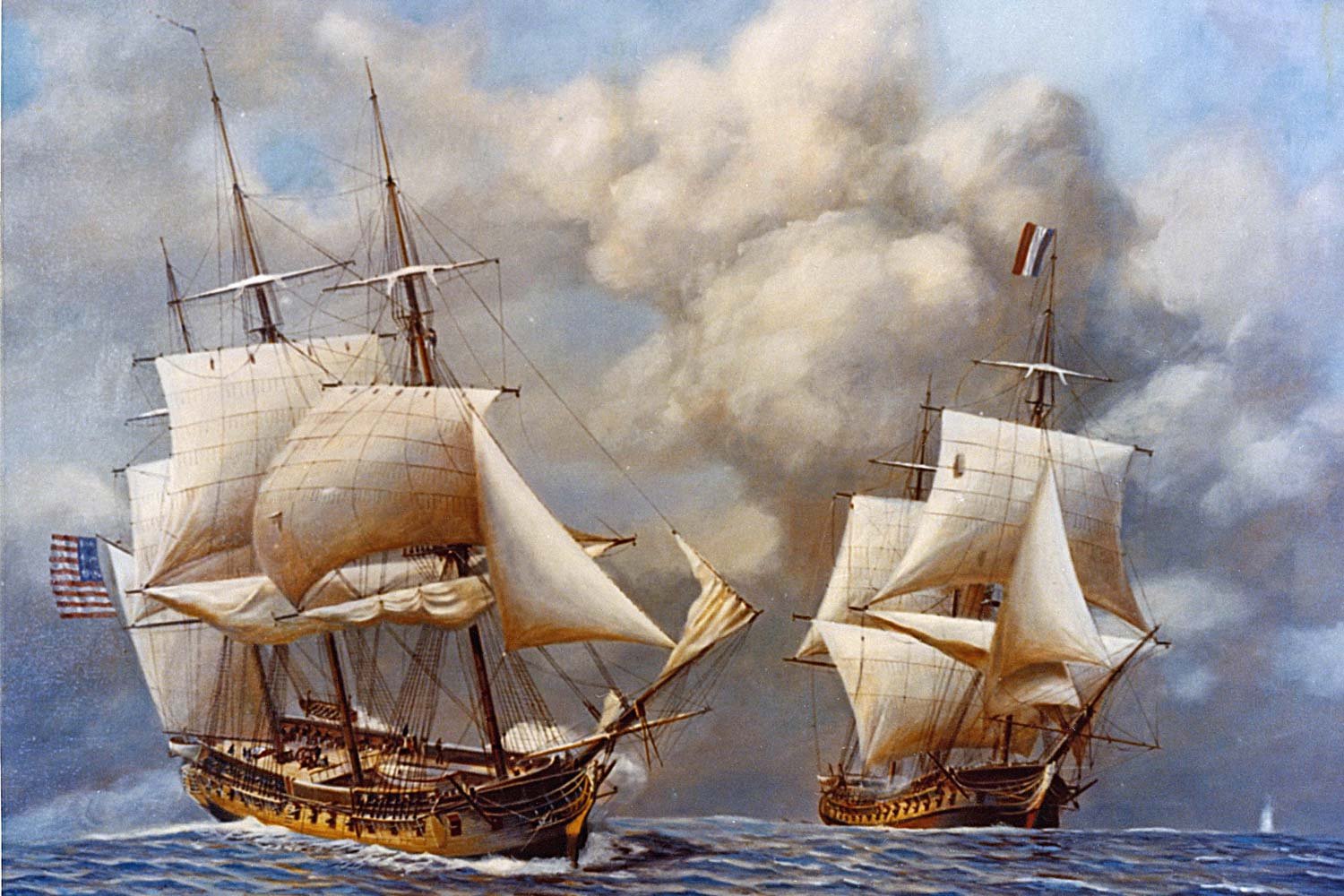
One generation after John Paul Jones and the Continental Navy first went to sea, several great American naval Captains who would fight so capably in the War of 1812 came of age in two important but little-known conflicts, the Quasi-War and the Barbary War. The real-world training our seafaring men received in these wars was instrumental in honing their skills and allowed them to compete favorably with the Royal Navy on an element that the British had come to dominate.
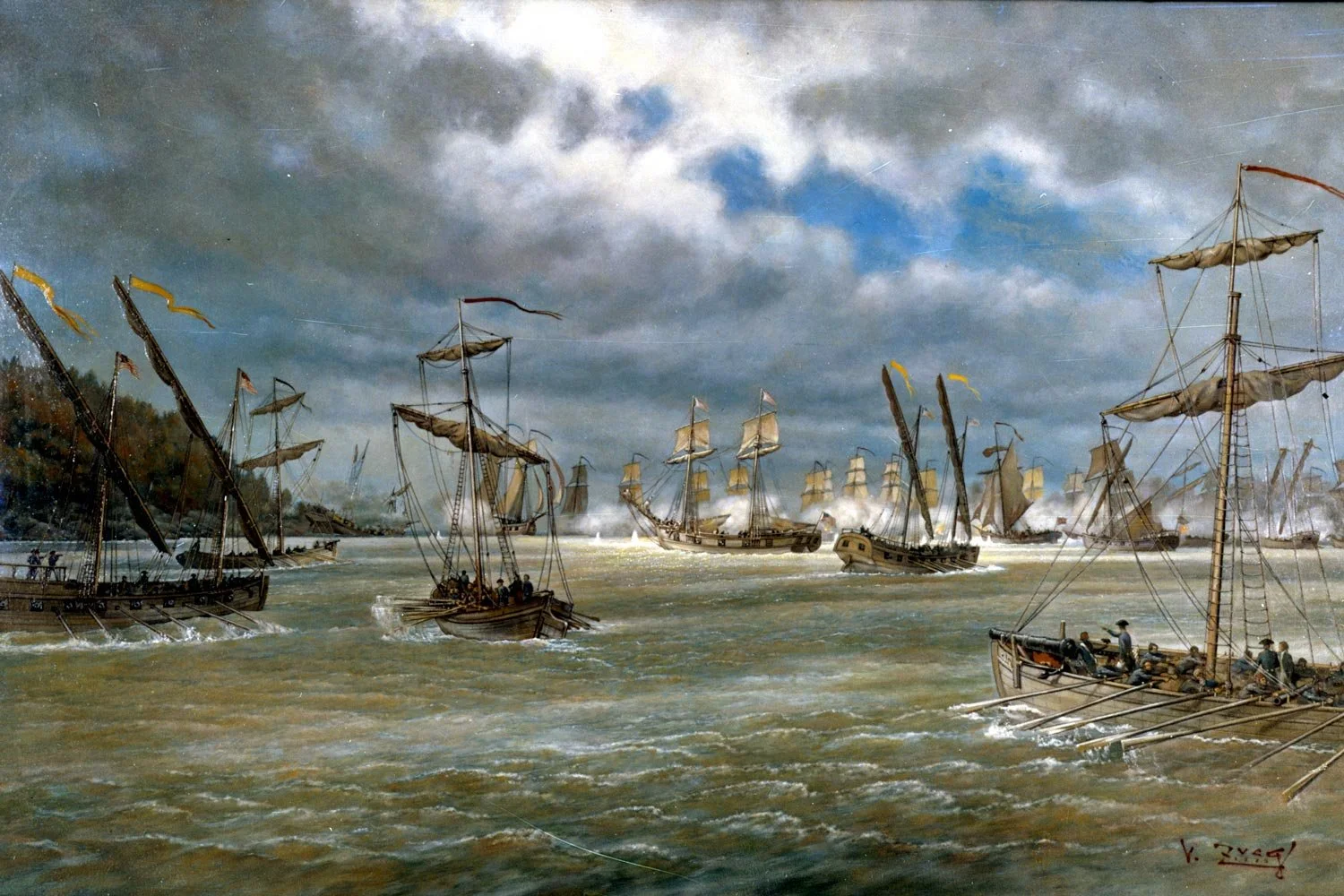
War of 1812, Part 19: The Origins of the United States Navy
The United States Navy that performed so well in the War of 1812 can trace its roots to October 13, 1775, for on that memorable day the Continental Congress passed a resolution that created the Continental Navy. This law authorized the purchase of two merchant vessels to be converted into warships, the first of which was USS Alfred, commissioned on December 3, and named after the 9th-century English monarch Alfred the Great. Then, on December 22, Commodore Esek Hopkins stood on the deck of Alfred as Lieutenant John Paul Jones ran up the Grand Union flag, and the U.S. Navy went to sea.
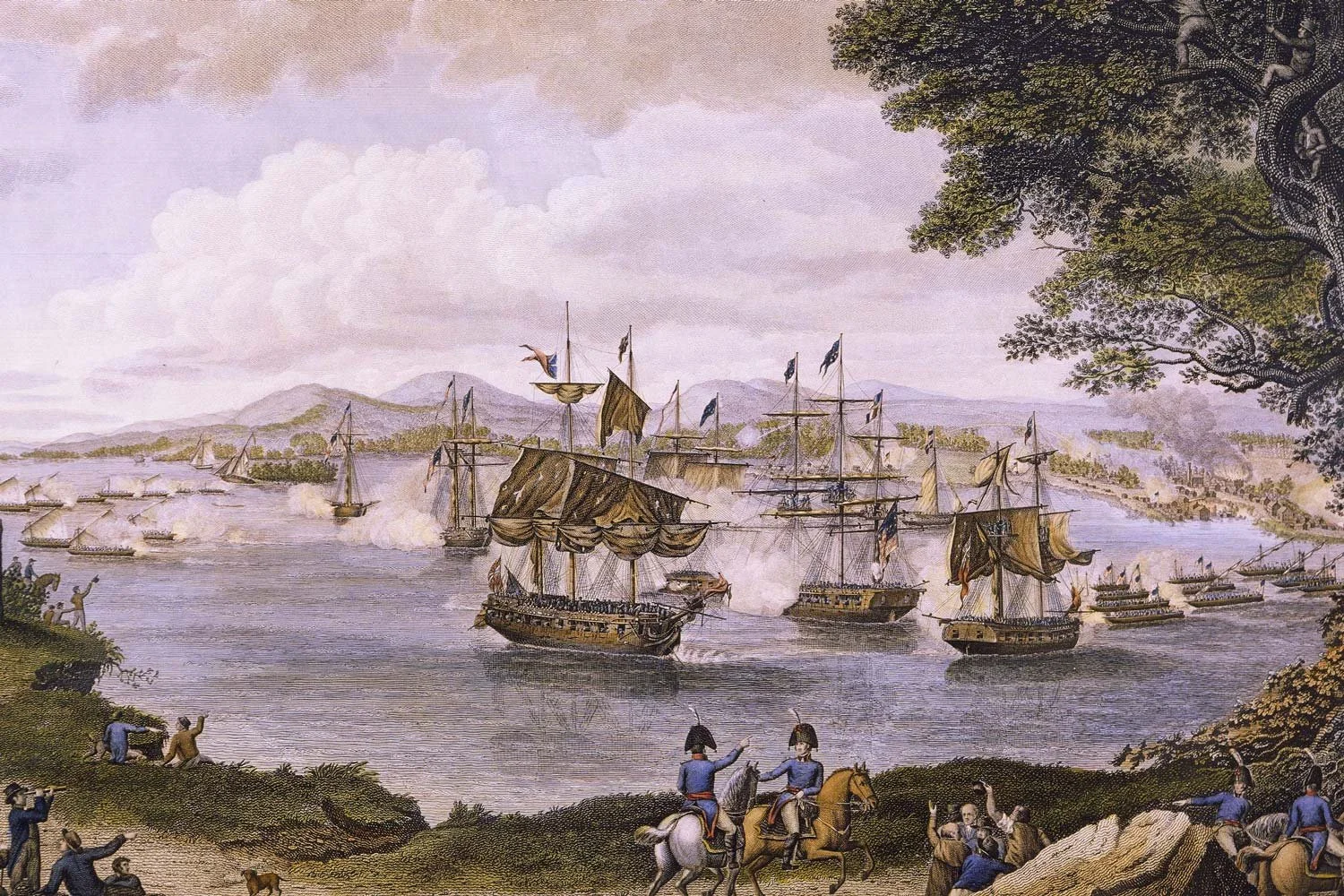
War of 1812, Part 18: Macdonough Triumphant on Lake Champlain
Besides the pending land battle at Plattsburgh, there was a naval battle to be fought for the control of Lake Champlain, the two-hundred-mile waterway that had served as the main invasion route for American, British, and French troops since the 1750s. In many ways, the naval contest was more critical than the land battle, for without control of the lake, invading armies could not be resupplied given the dearth of roads in that part of the country.
War of 1812, Part 17: British Invade the North
With the collapse of Napoleon’s empire in the spring of 1814, Great Britain was able to finally focus its attention on the American army. From April to December 1814, the British sent thirty-three infantry battalions, ten artillery companies, and one cavalry regiment, roughly 28,000 veteran troops, to North America. Of these, roughly one quarter were sent to Lower Canada to augment the sizable forces already in that area with the intention of invading up the Lake Champlain corridor and punishing the United States for initiating a war Great Britain never wanted to fight.
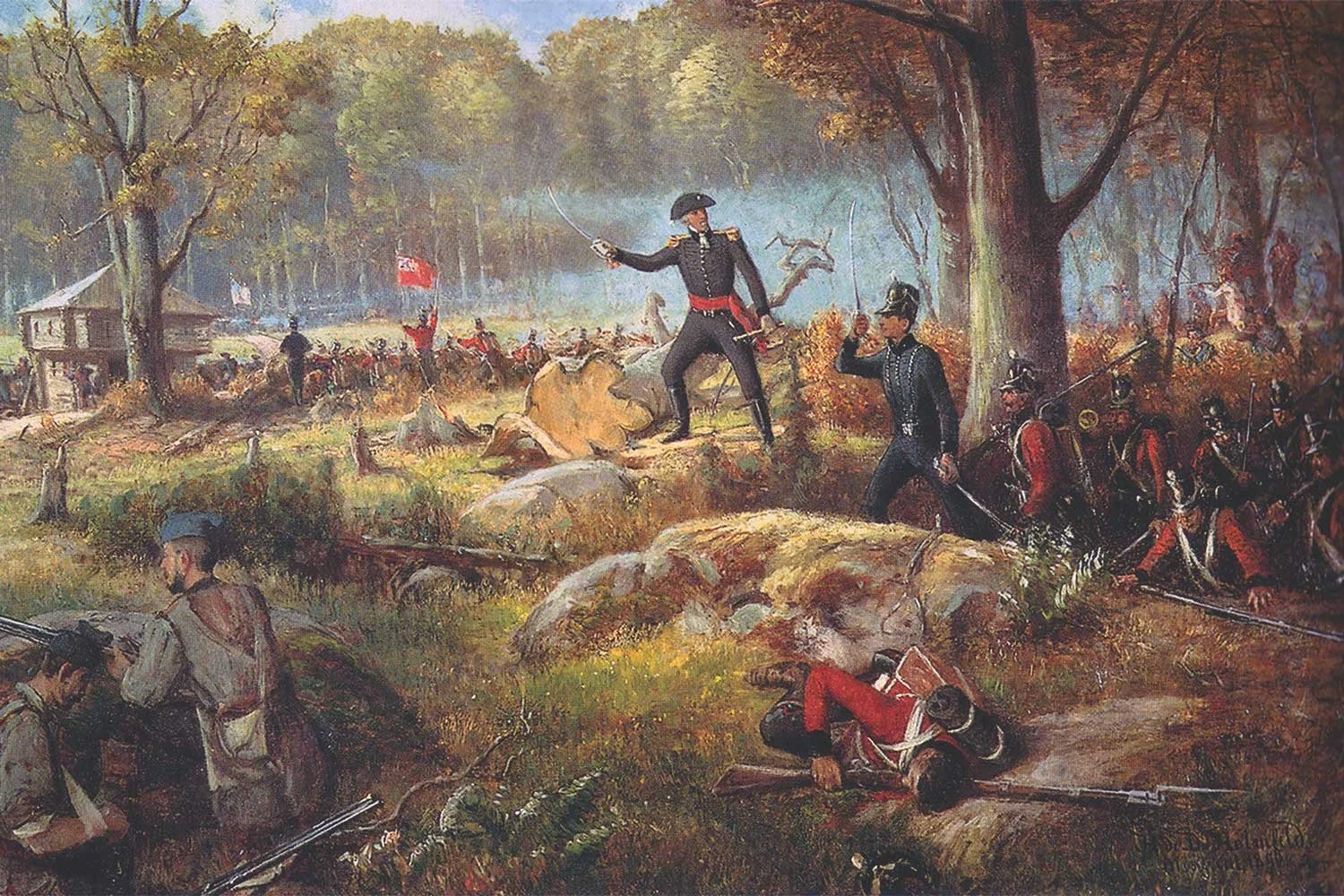
War of 1812, Part 16: Battle of the Chateaugay
When Secretary of War John Armstrong moved General Henry Dearborn from his command of the northern army to a desk position in New York and replaced him with General James Wilkinson, Armstrong also needed to find a new Major General to take over the command at Plattsburgh and Lake Champlain. Armstrong's choice for this position was Wade Hampton I, an interesting choice in that Hampton was the avowed enemy of Wilkinson, and yet the two generals would have to work hand in hand for the campaign to be successful. The results of the campaign would prove the folly of Armstrong’s choice of commanders.
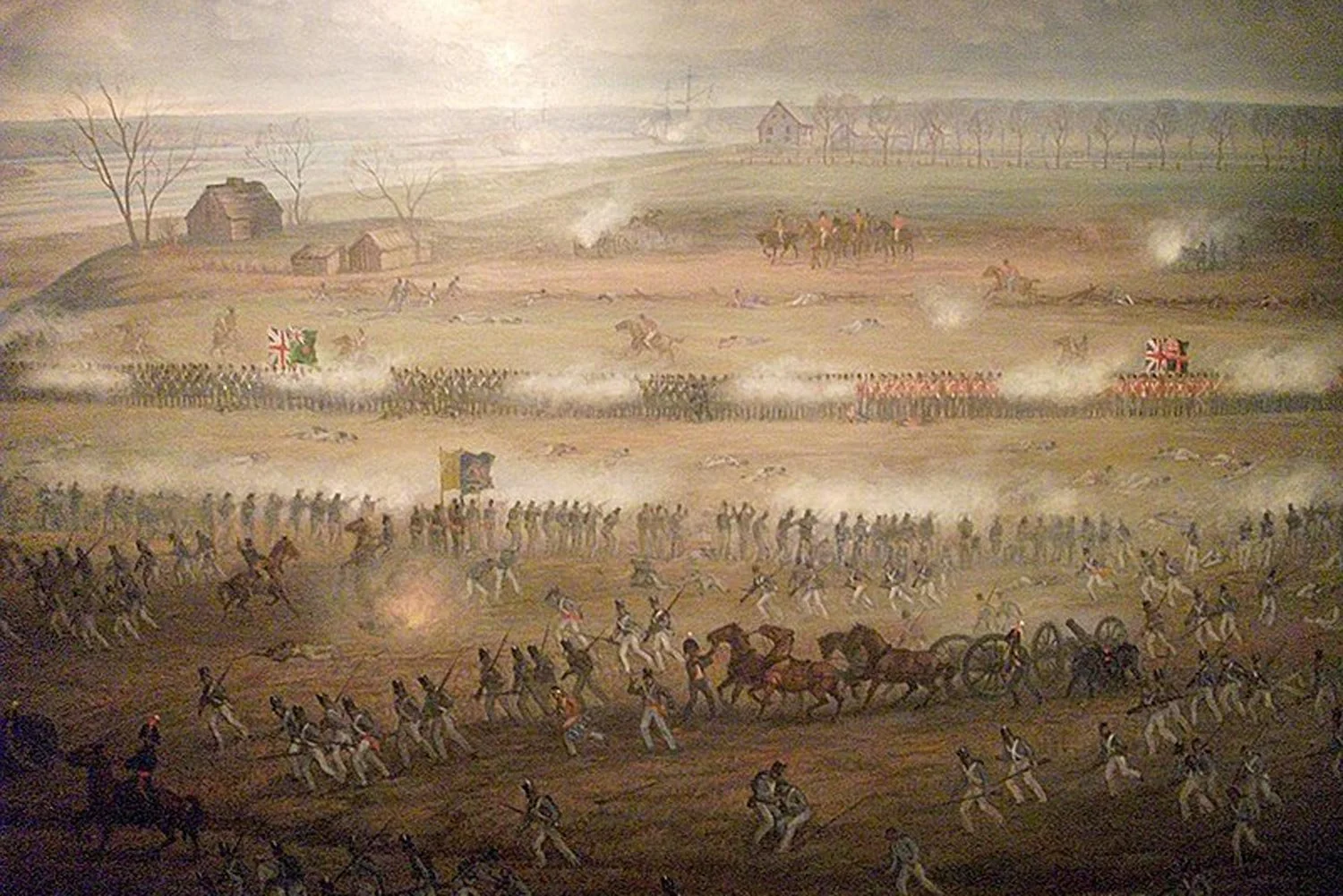
War of 1812, Part 15: Battle of Crysler’s Farm
The American flotilla of 300 boats conveying General James Wilkinson’s army to Montreal entered the St. Lawrence River on November 5, 1813, but the British were not idle and immediately began to harass the Americans on both land and sea. British Captain William Mulcaster had pierced Commodore Isaac Chauncey’s blockade of Kingston with several gunboats and proceeded to snipe at the rear guard of the American contingent from the river. At the same time, six hundred British troops under Lieutenant Colonel Joseph Morrison marched down the north shore of the St. Lawrence to further annoy the Americans with musketry and cannon shot from the banks.
War of 1812, Part 14: Command Issues in the American Army
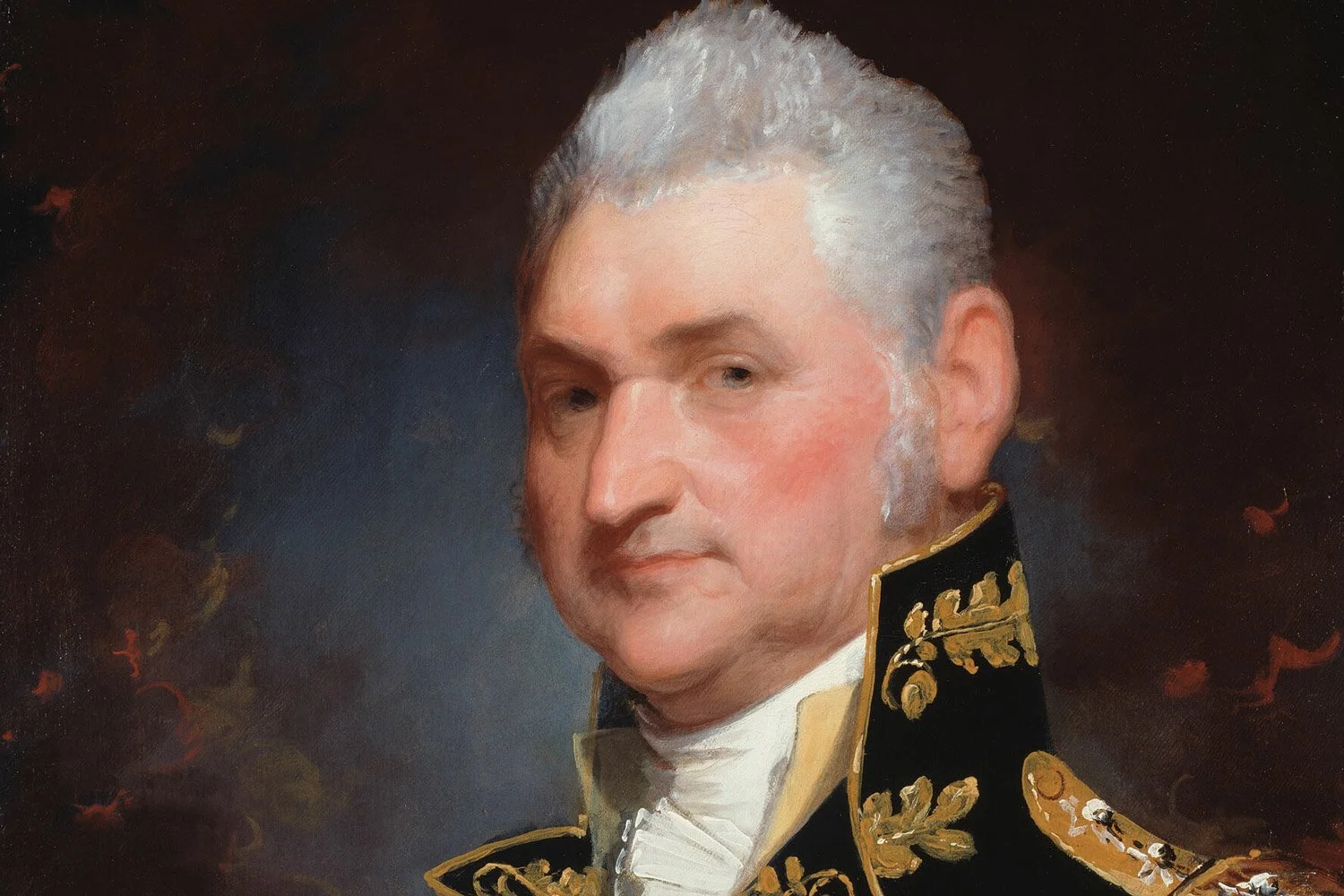
Major General Henry Dearborn was tasked by President James Madison with conducting the right wing of the American invasion of Canada. The objective of this thrust was to capture Montreal and close off the Saint Lawrence River, thereby severing the British supply line to Upper Canada. This responsibility would have been formidable for any commander, but it was especially so for a General in his sixty-second year and in poor health who had not seen active military service since the American Revolution.
War of 1812, Part 13: British Retake the Niagara
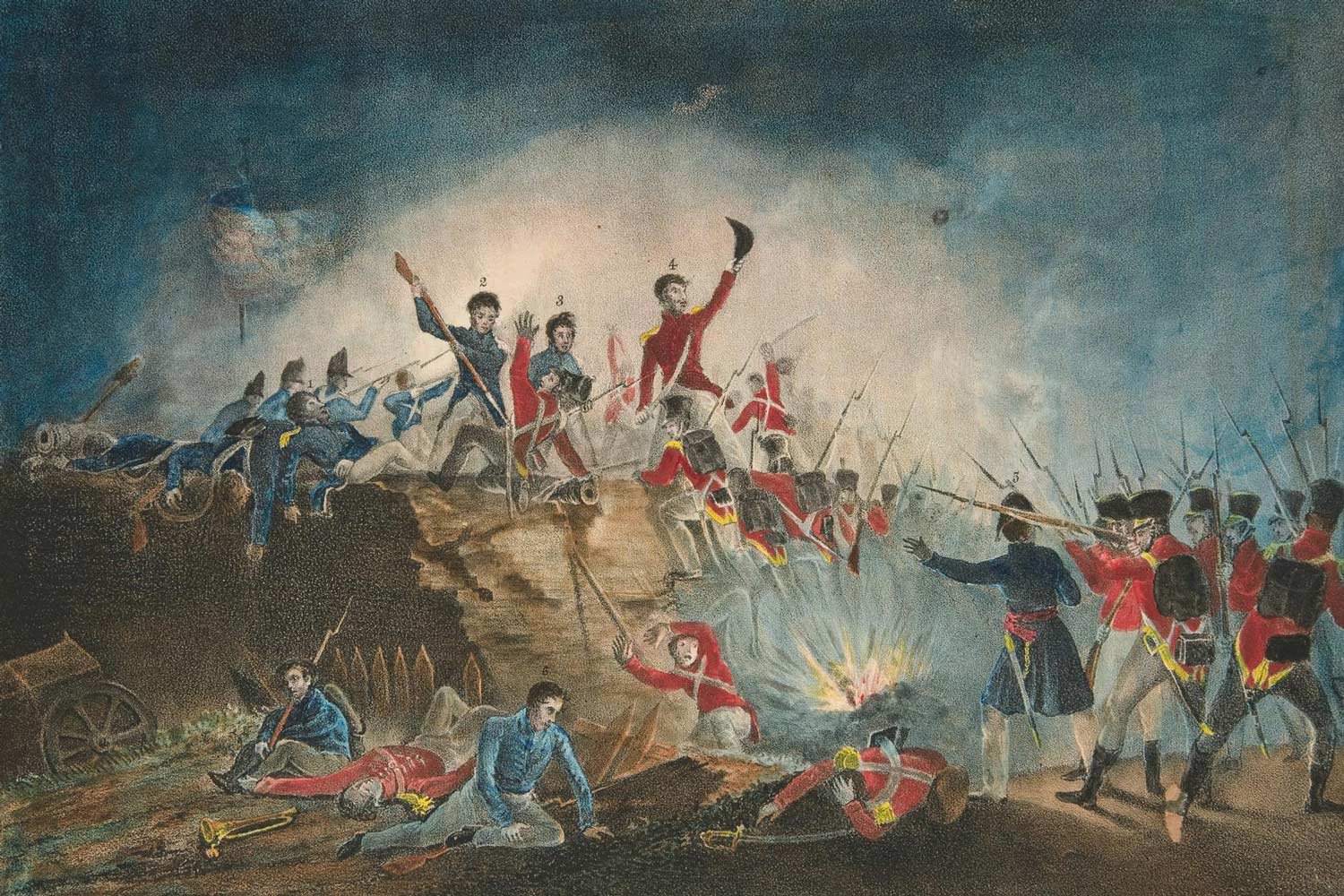
On July 3, 1814, the American army under General Jacob Brown had invaded Canada, marking the third straight year that American forces tried to gain a foothold on Canadian soil along the Niagara frontier. But following a resounding American victory on July 5 in the Battle of Chippawa and a bloody stalemate at Lundy’s Lane three weeks later, the American army was in no condition to renew the fight and had withdrawn back to Fort Erie.
War of 1812, Part 12: The Battle of Lundy’s Lane
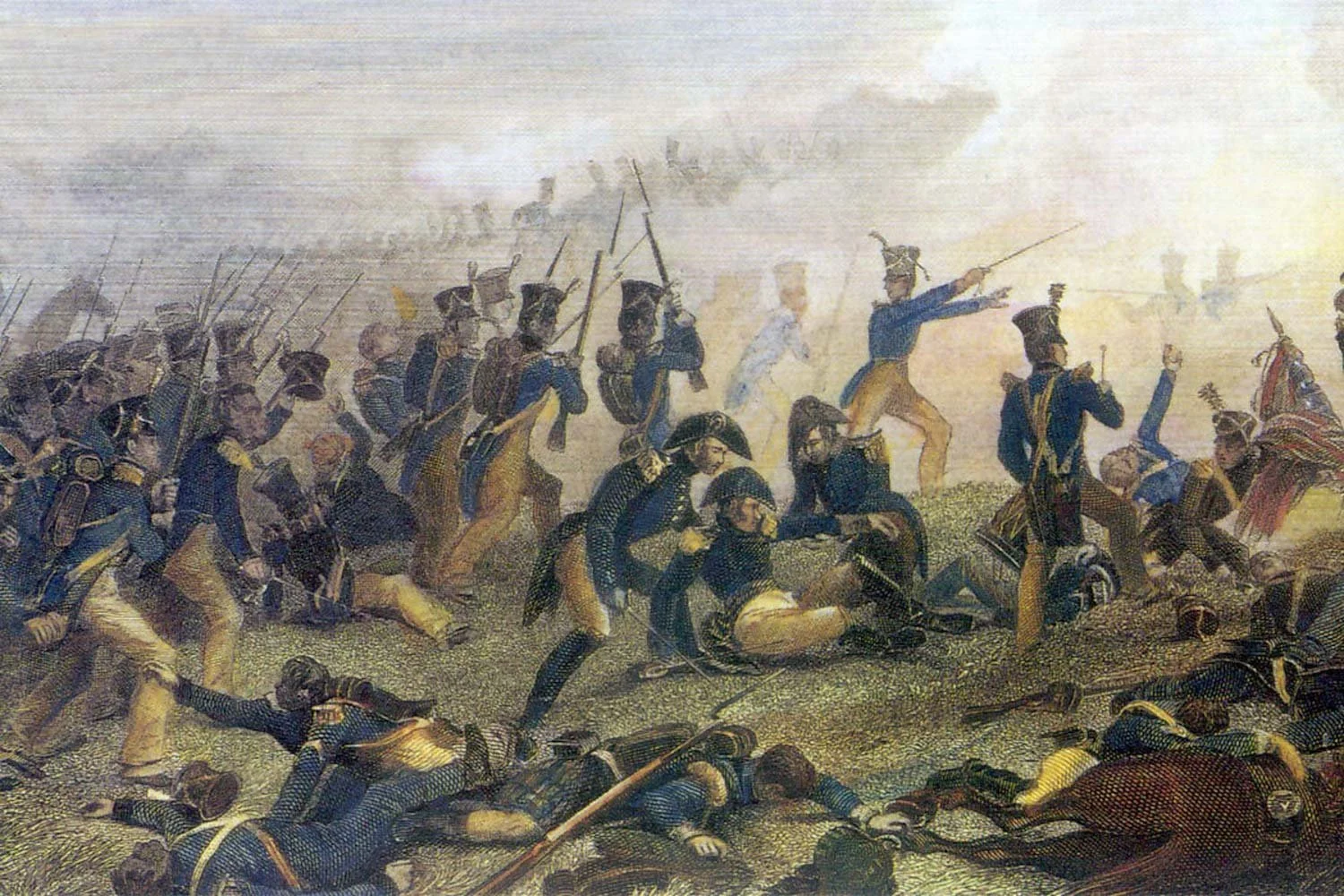
A few days after the resounding American victory at Chippawa, General Phineas Riall moved the British Army north along the Niagara River to Fort George and began to gather a force adequate to strike the Americans and push them from Canadian soil. The American commander, General Jacob Brown, meanwhile was imploring Commodore Isaac Chauncey, commander of the Lake Ontario fleet, to come to his assistance and help drive the British from the Niagara peninsula. But as was often the case, the Army and Navy did not see eye to eye on the matter and that would cause a problem in the days ahead.

War of 1812, Part 11: Americans Seize the Offensive
On March 31, 1814, the allied armies marched into Paris and with that came the collapse of Napoleon's empire. That was good news for Europe who had been fighting French armies for more than two decades, but it was bad news for the United States as with Napoleon's demise, Wellington’s veteran British regiments would now be freed up to fight in North America, and by mid-summer, four brigades of Wellington's best troops sailed from Bordeaux for Canada.