
War of 1812, Part 14: Command Issues in the American Army
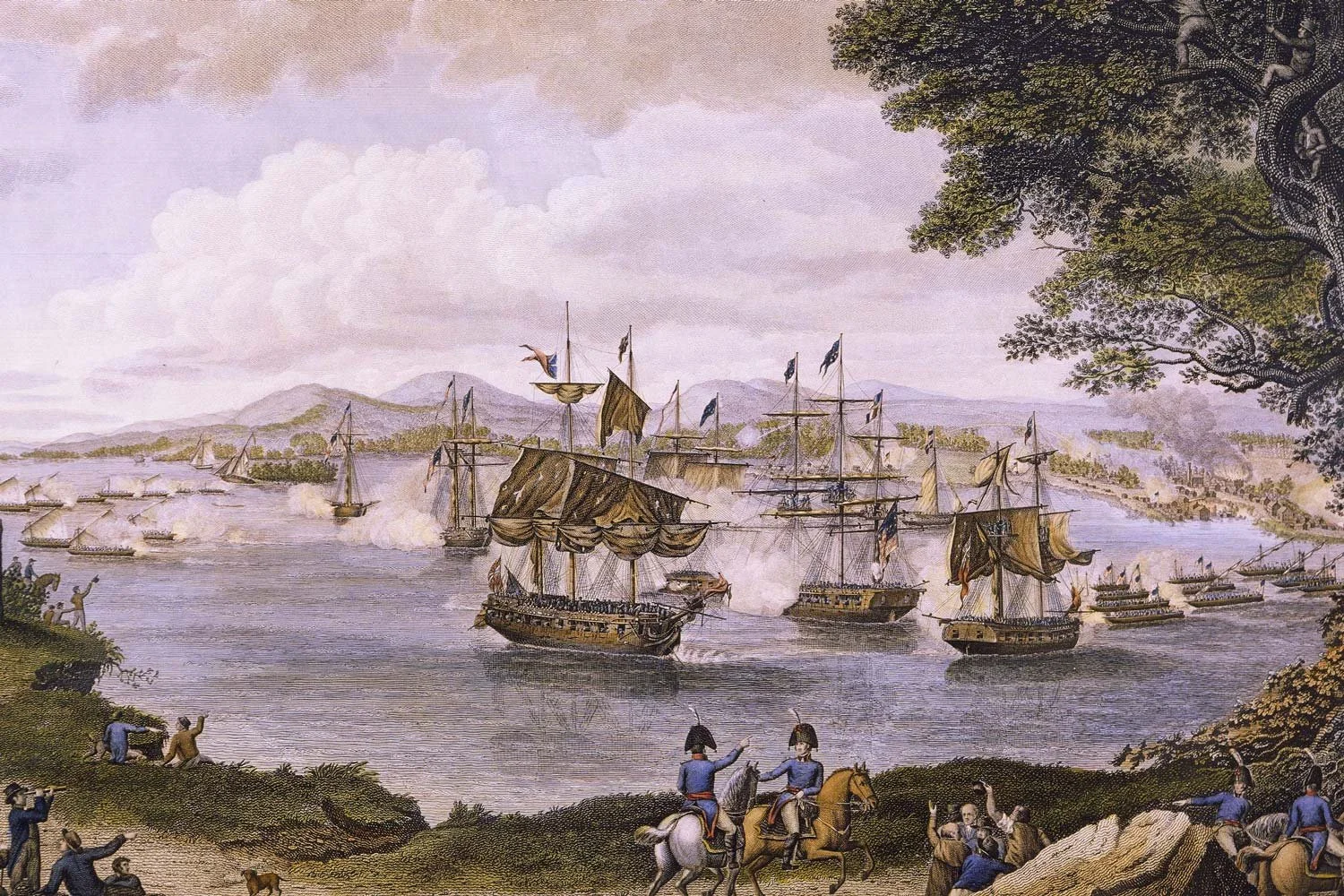
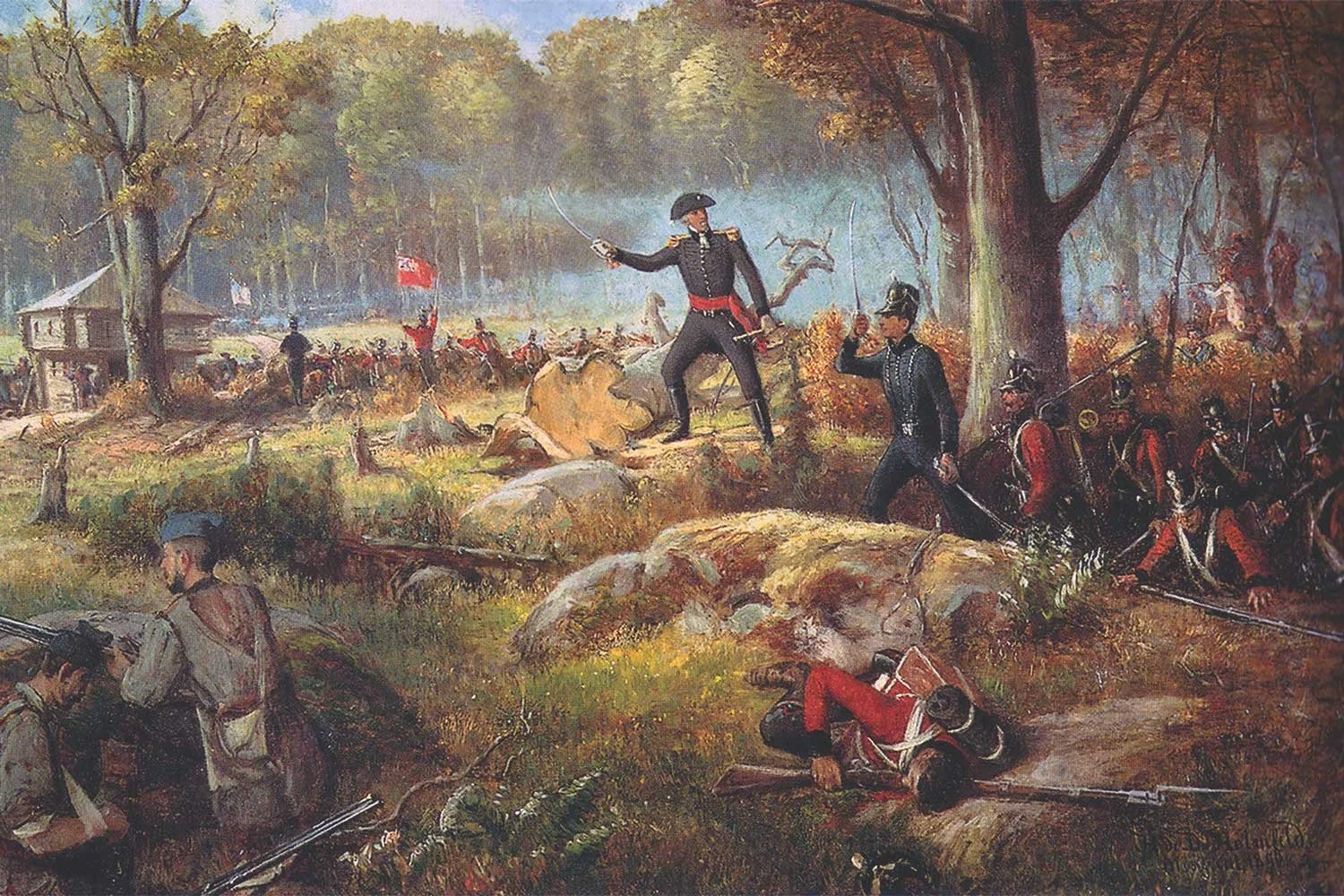
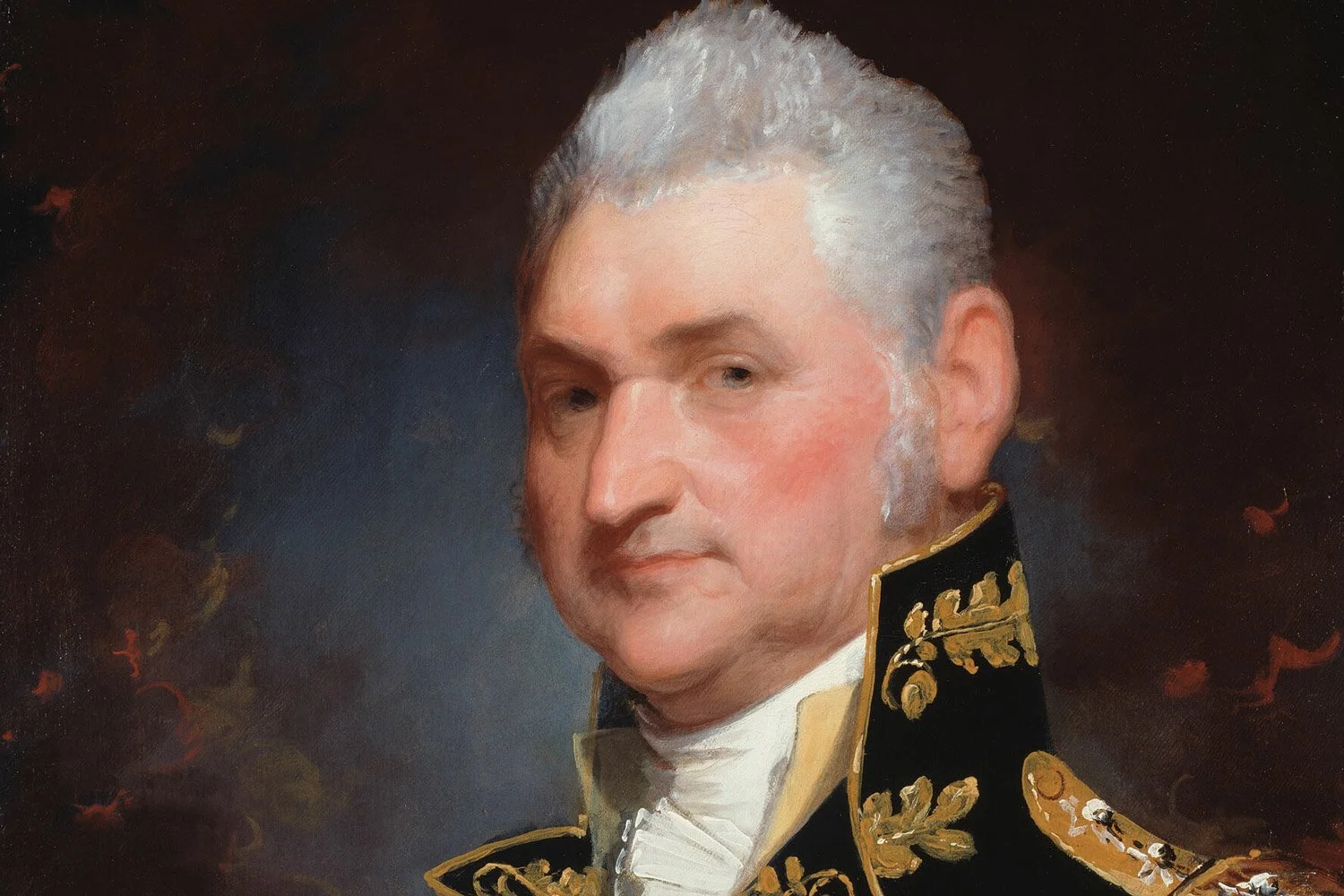
Henry Dearborn was tasked by President James Madison with conducting the right wing of the American invasion of Canada, but the responsibility was too much for the 62-year-old general who was in poor health and had not seen active military service since the American Revolution. Secretary of War John Armstrong reassigned Dearborn and began searching for a replacement, and he essentially had two choices: Andrew Jackson and James Wilkinson. Armstrong knew Wilkinson and was unfamiliar with Jackson, and, in a case of “better the devil you know than the devil you don’t,” Armstrong entrusted this command to Wilkinson. Ultimately, Wilkinson decided on a two-prong offensive, leading his command of 7,000 men down the St. Lawrence from Sackett’s Harbor while another 4,000-man army under General Wade Hampton marched north from Plattsburgh on Lake Champlain. The two armies would then rendezvous above Montreal, and the combined army under Wilkinson’s command would capture the city.
Tom Hand, creator and publisher of Americana Corner, discusses how the command issues in the American army impacted the War of 1812, and why it still matters today.
Images courtesy of the Art Institute of Chicago, National Gallery of Art, McCord Stewart Museum, Pennsylvania Academy of the Fine Arts, Metropolitan Museum of Art, National Portrait Gallery - Smithsonian Institution, New York Public Library, Yale University Art Gallery, Mount Vernon, Wikimedia.
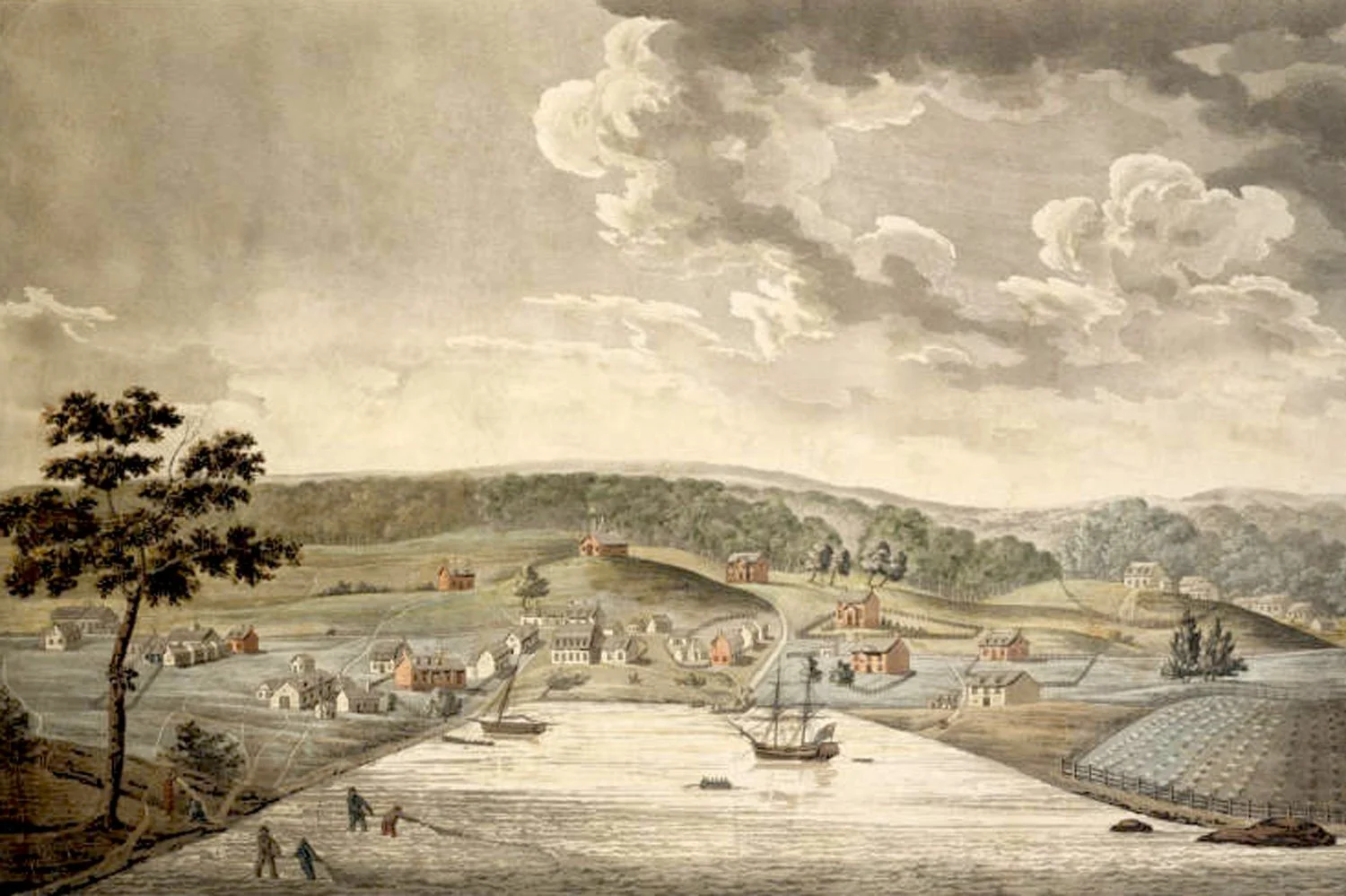
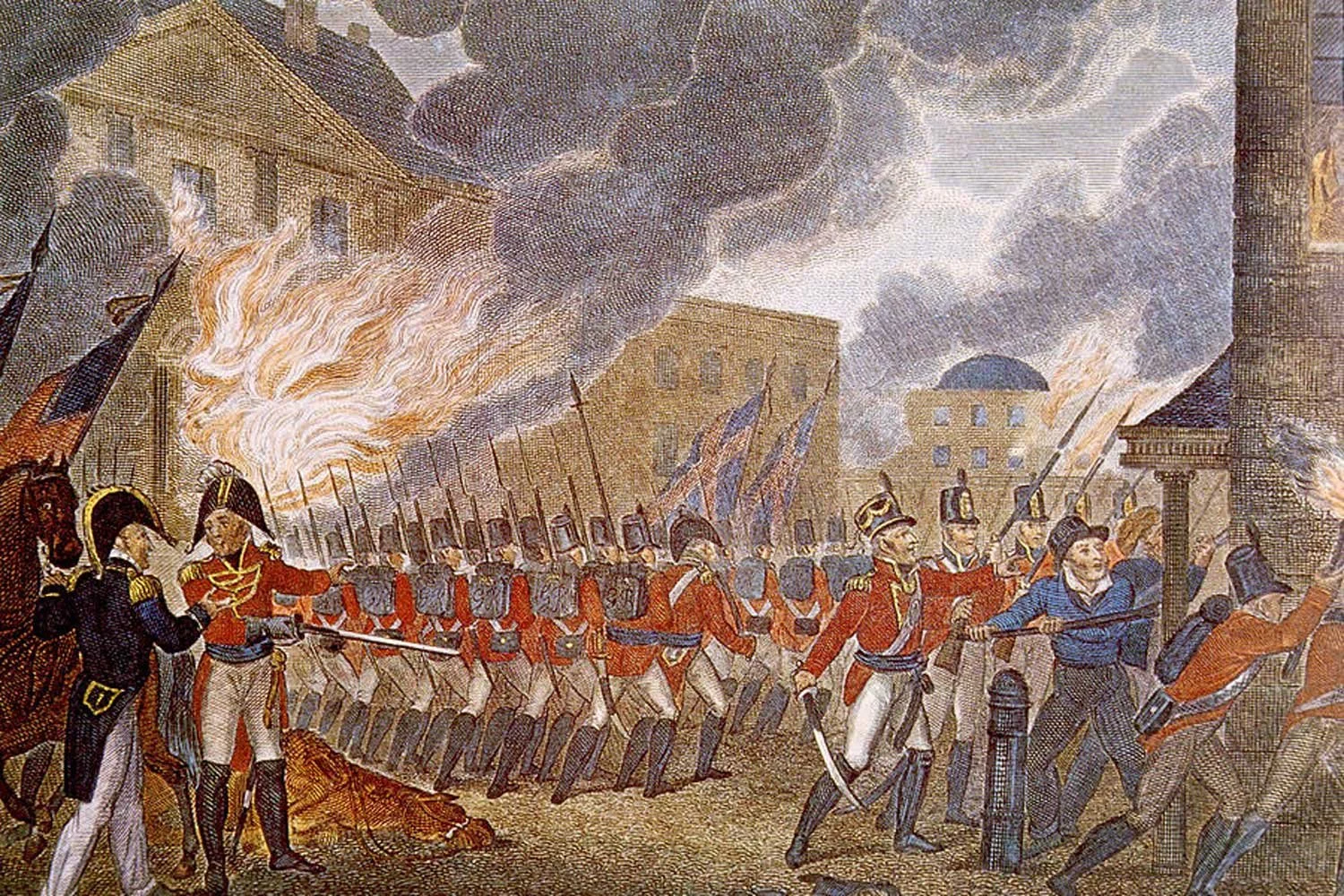
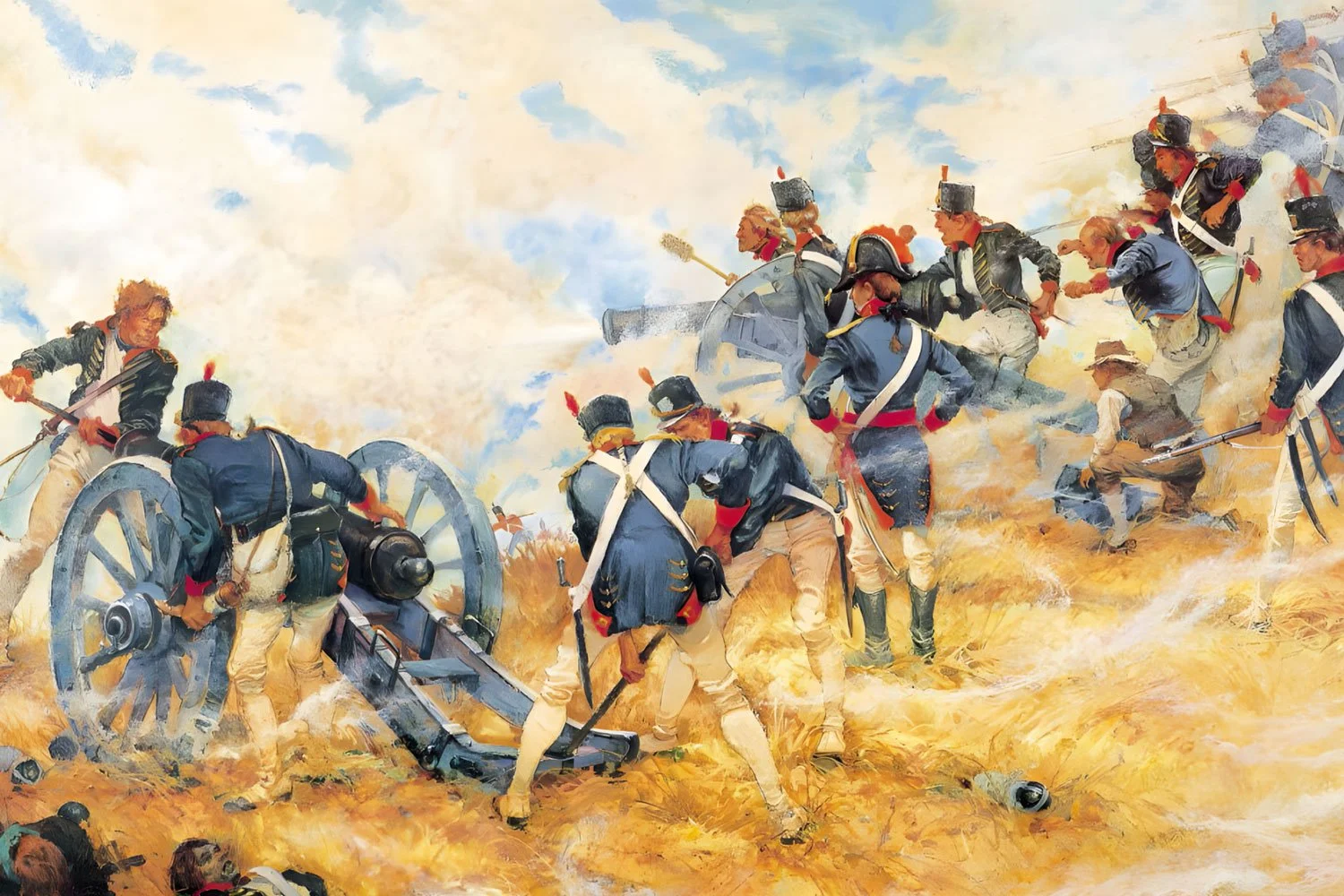
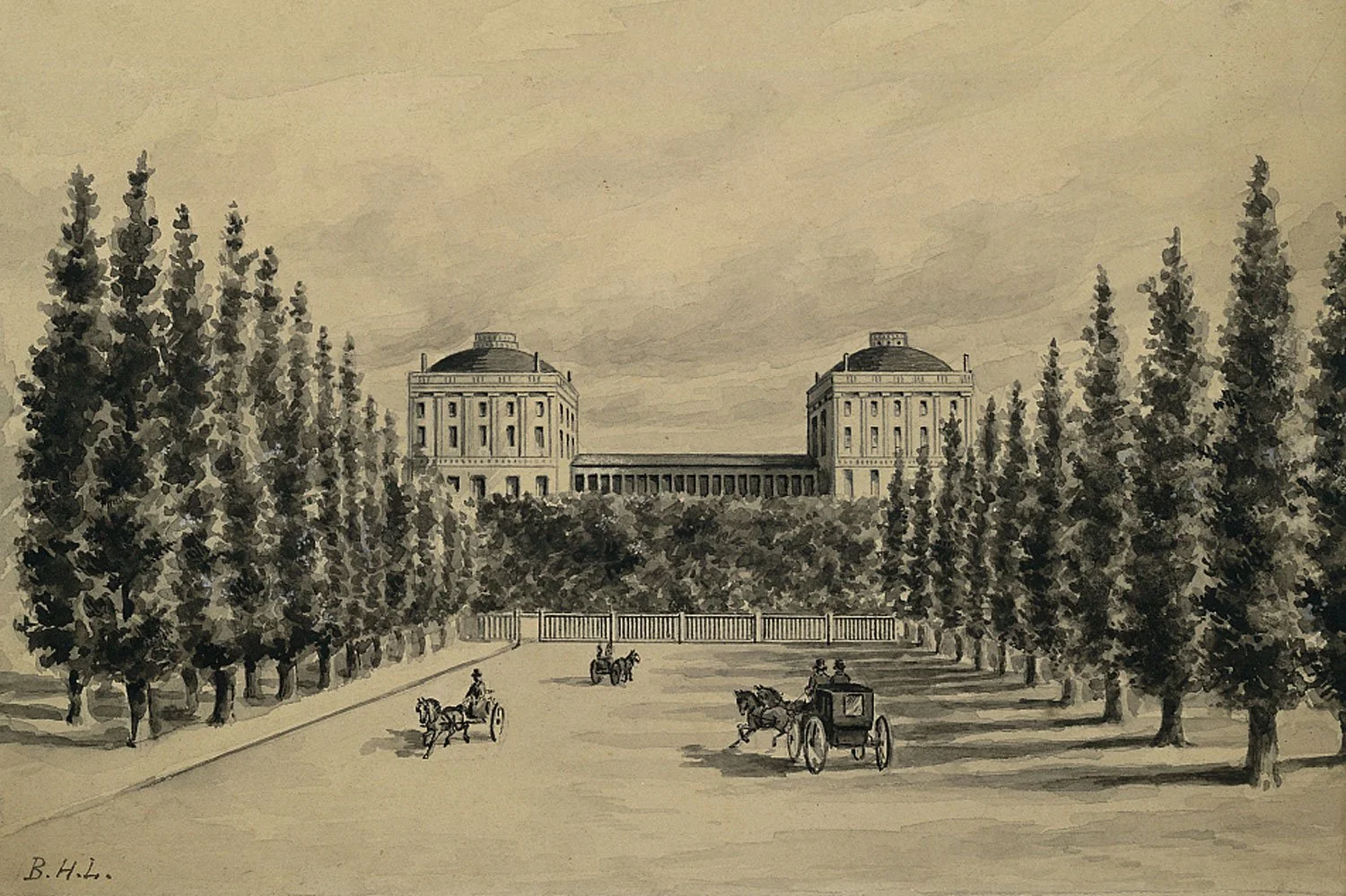

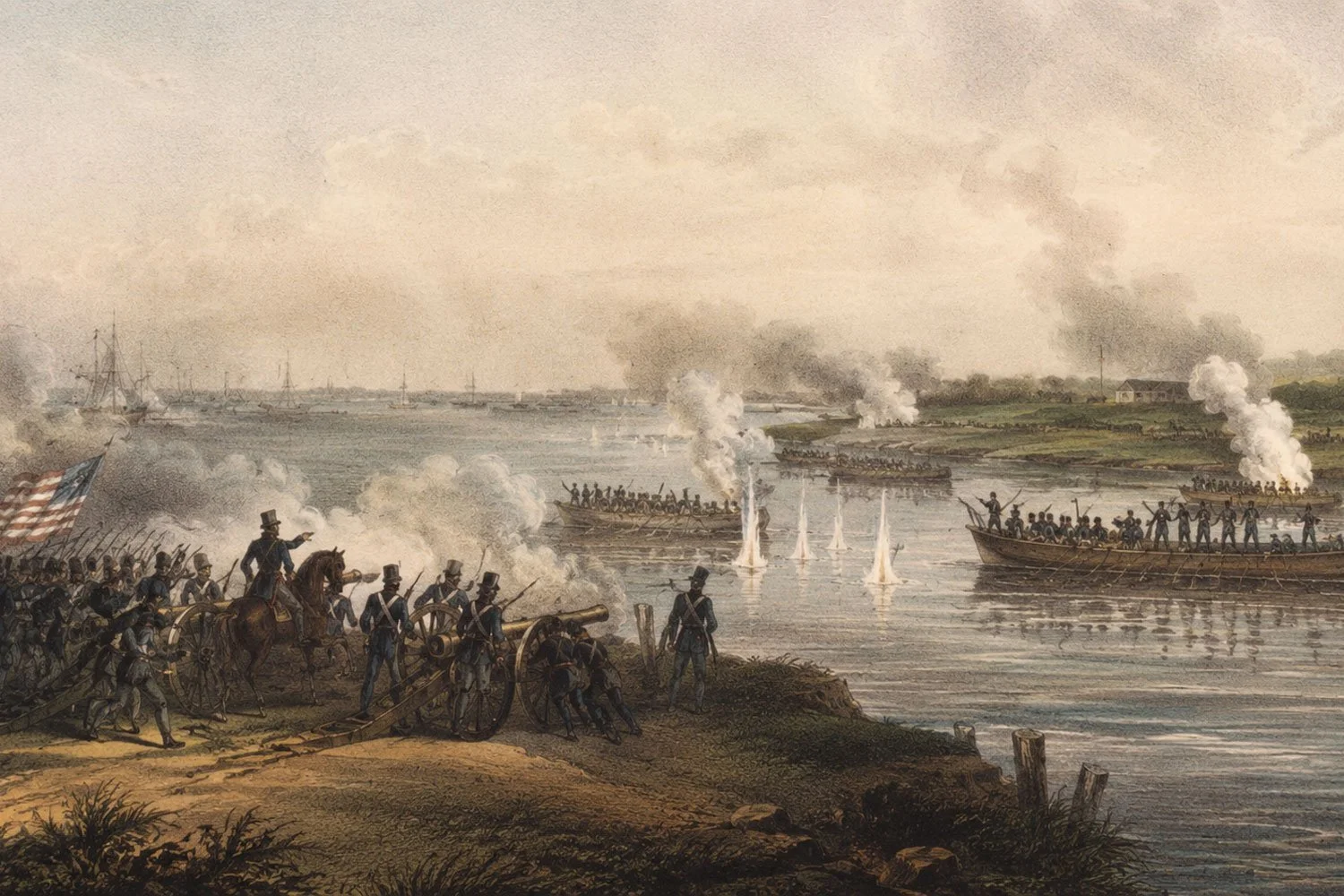
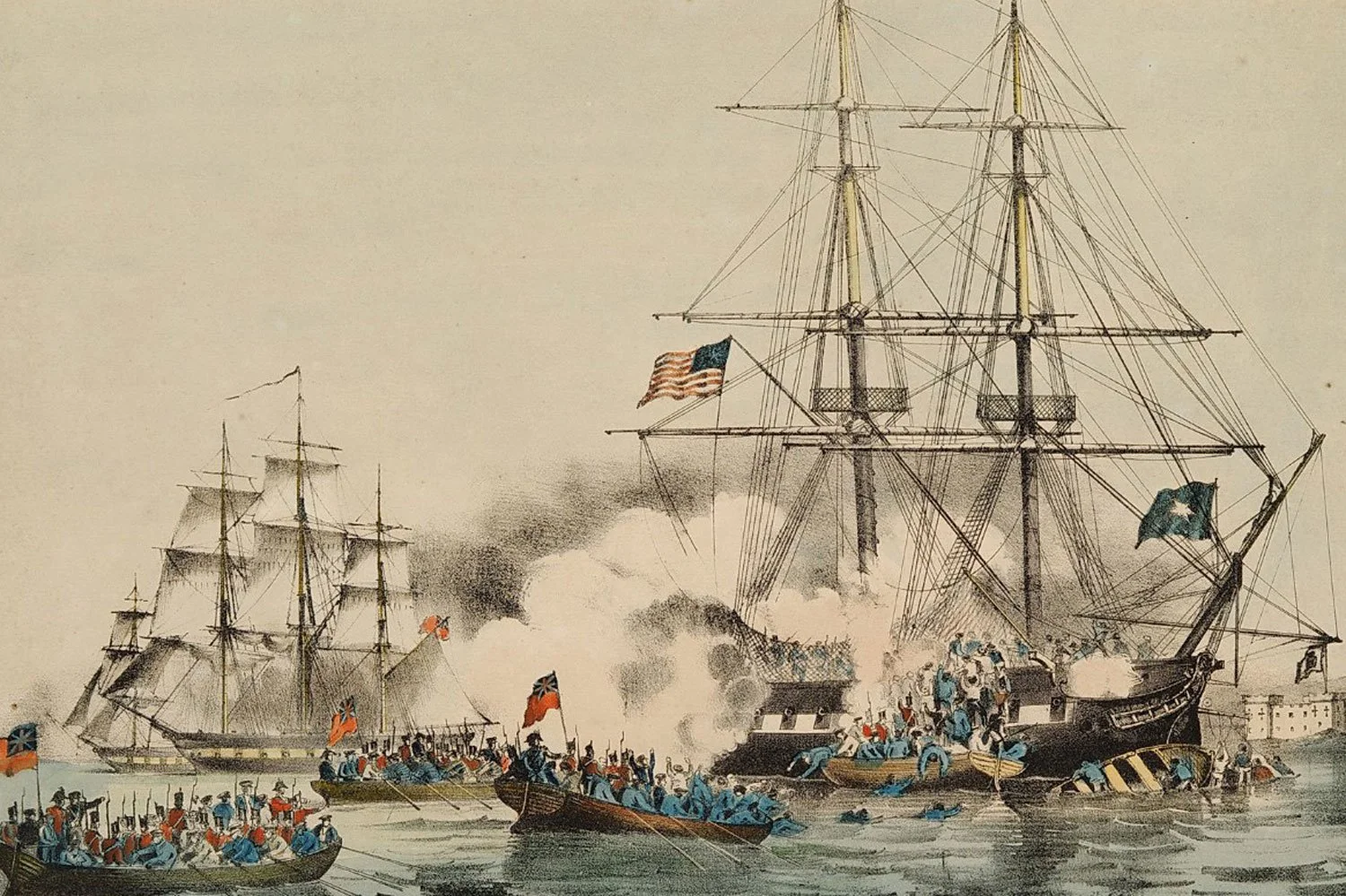
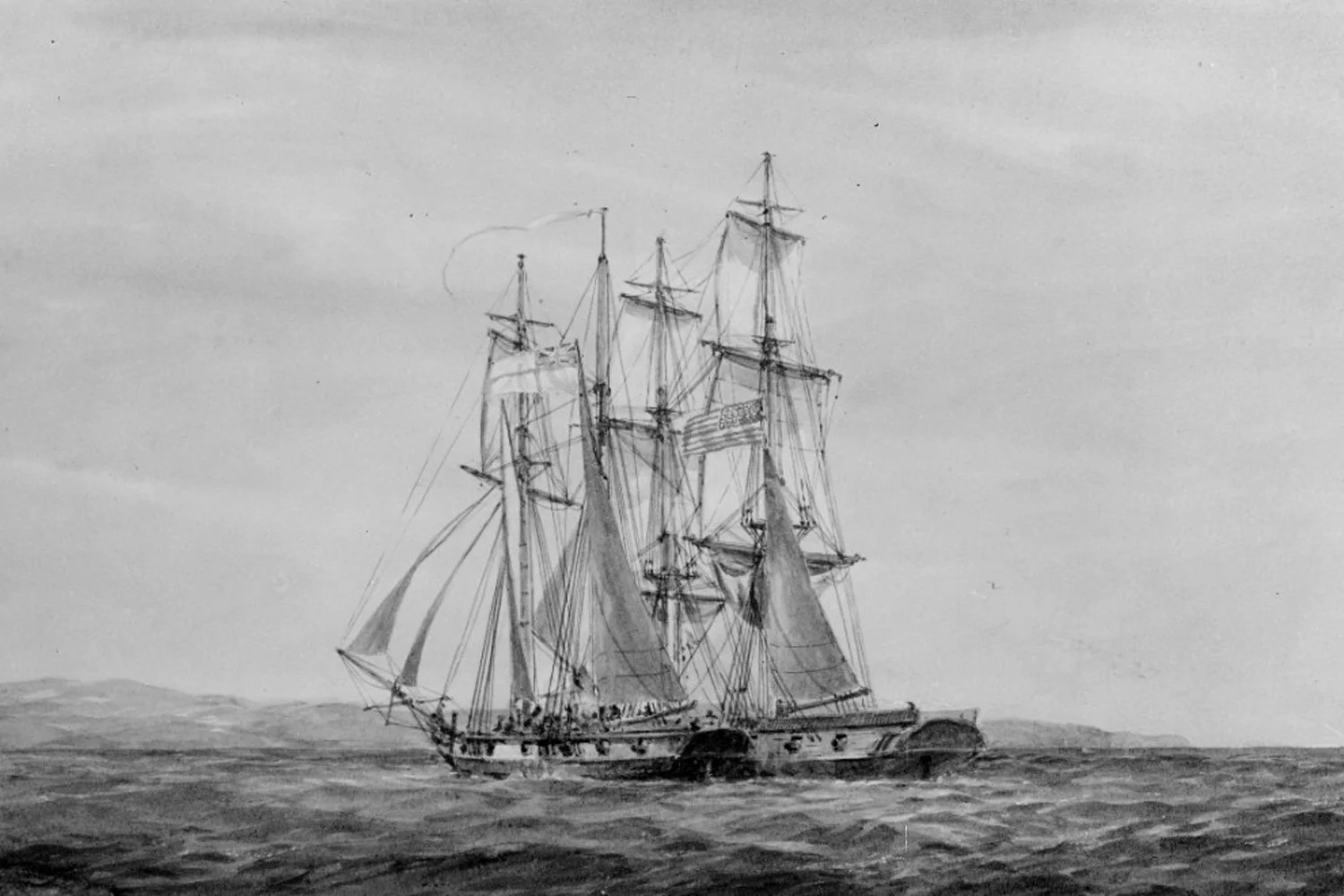
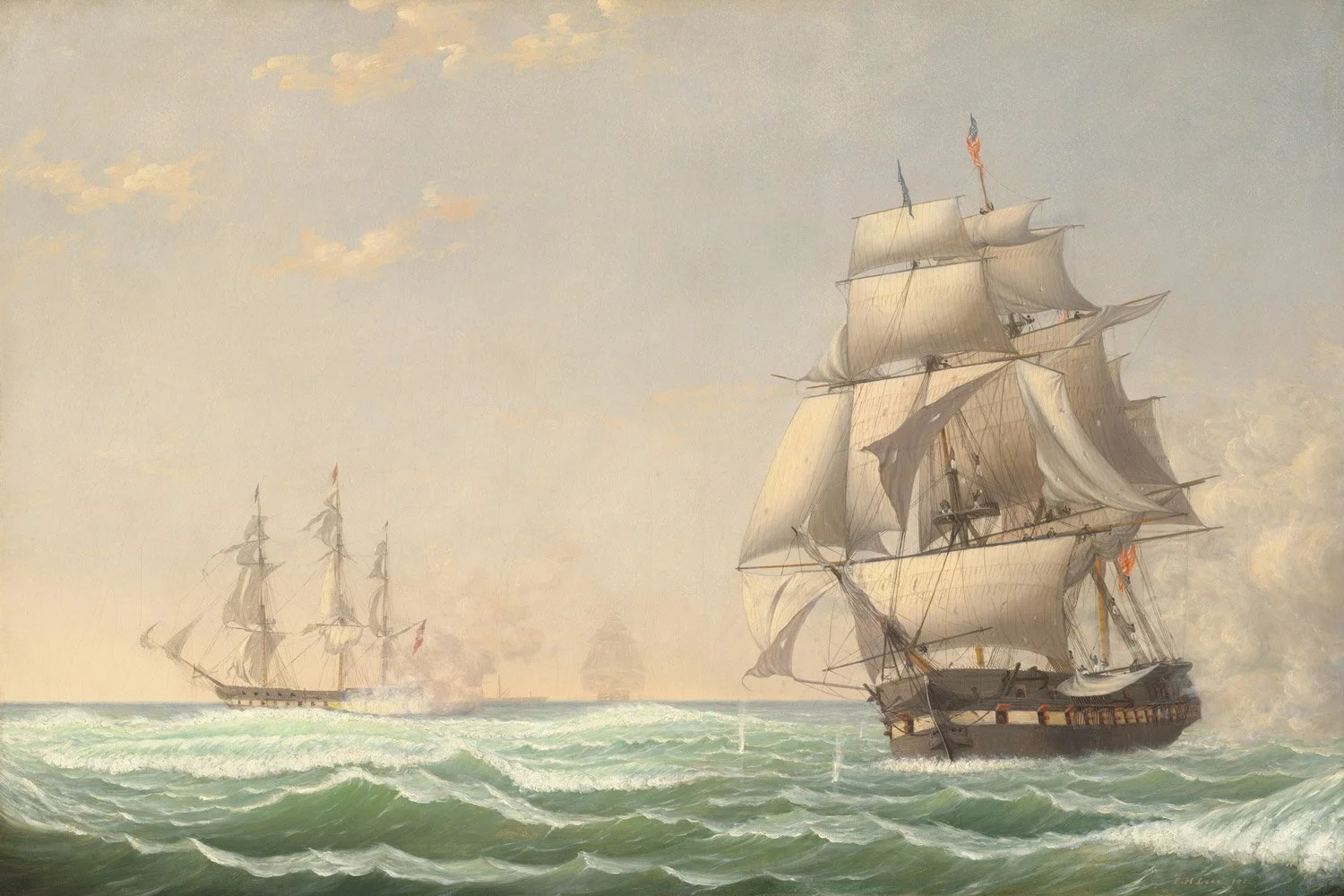
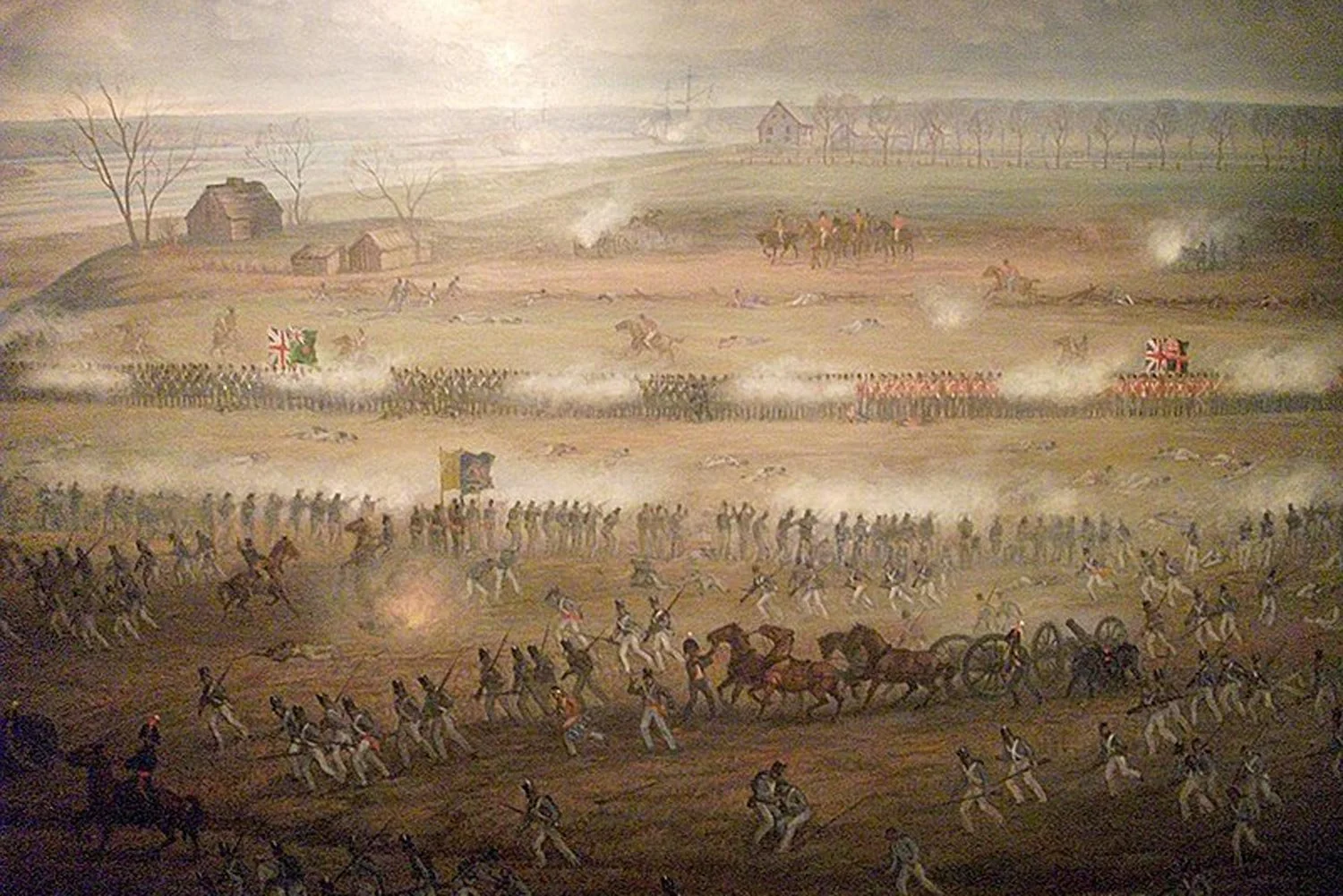
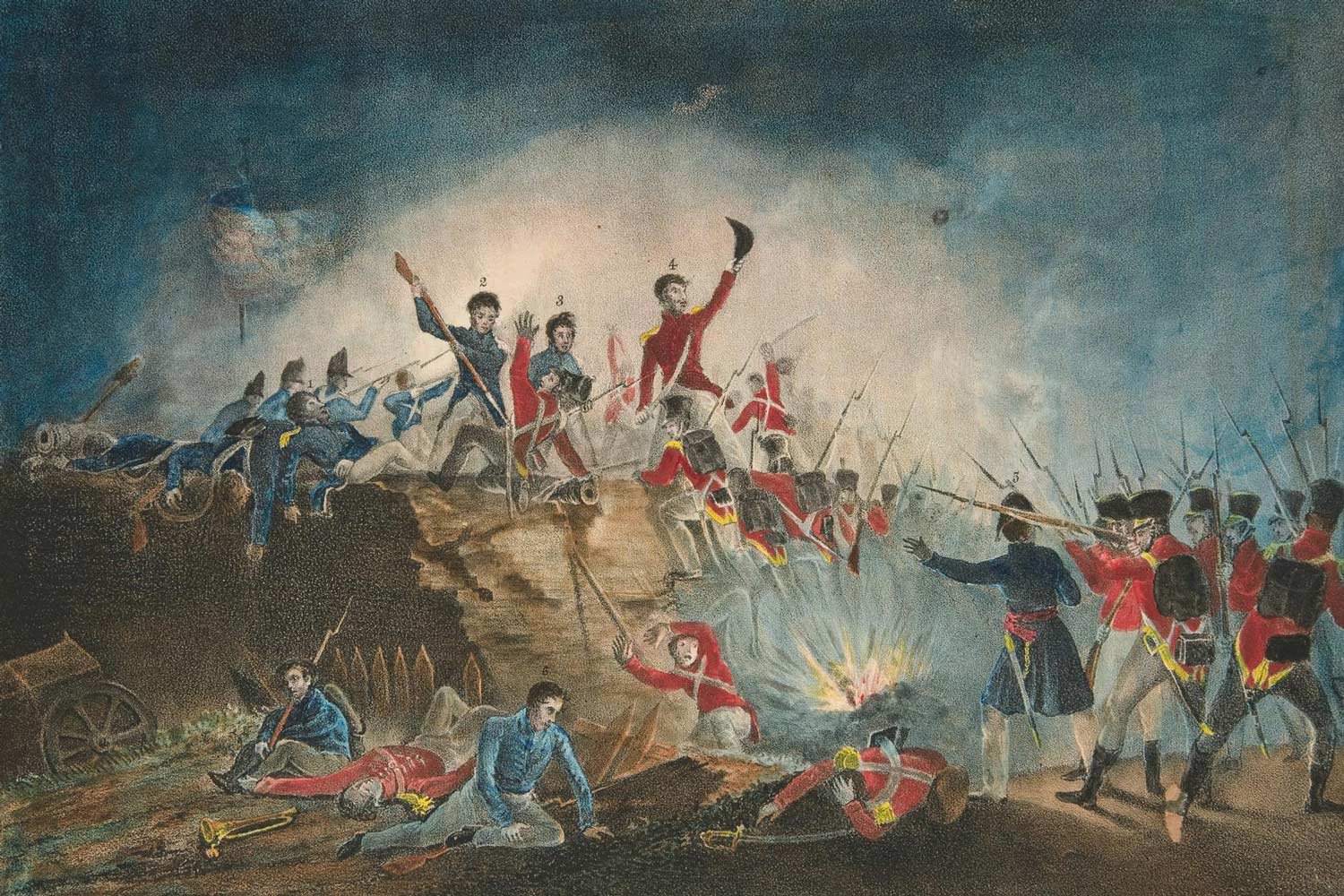
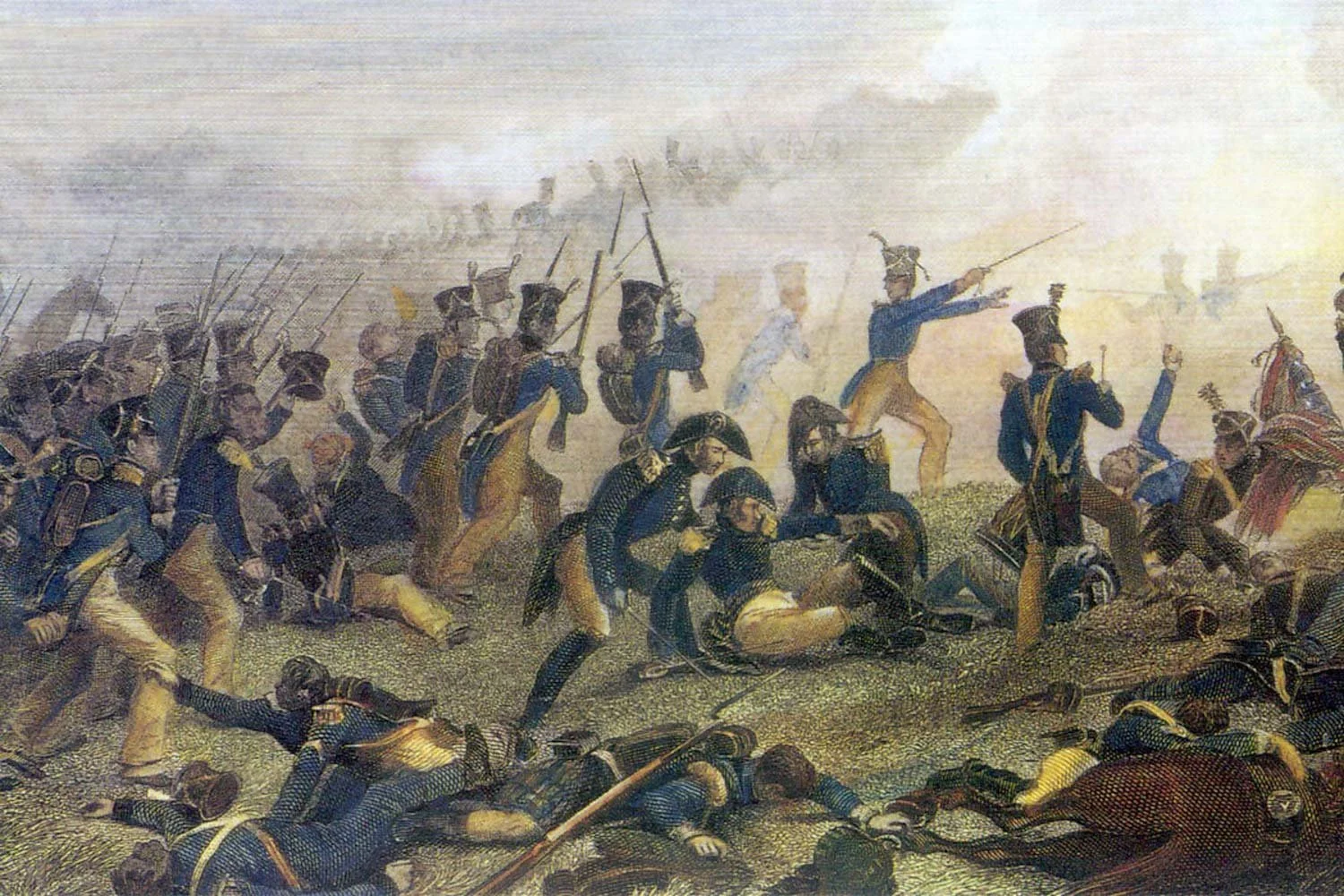

In a dispatch dated August 10, 1814, Vice Admiral Alexander Cochrane was instructed by Lord Bathurst, Secretary of State for War and the Colonies, to proceed to Jamaica and rendezvous with reinforcements coming from England to assist him in capturing New Orleans. With the death of Major General Robert Ross at North Point, the War Department in London gave the command of the land force for this new expedition to Major General Sir Edward Pakenham, a veteran of the Peninsula War and the brother-in-law of the Duke of Wellington. And on November 26, Cochrane, Pakenham, and a British army of nearly 7,000 veterans sailed for New Orleans.