
War of 1812, Part 16: Battle of the Chateaugay
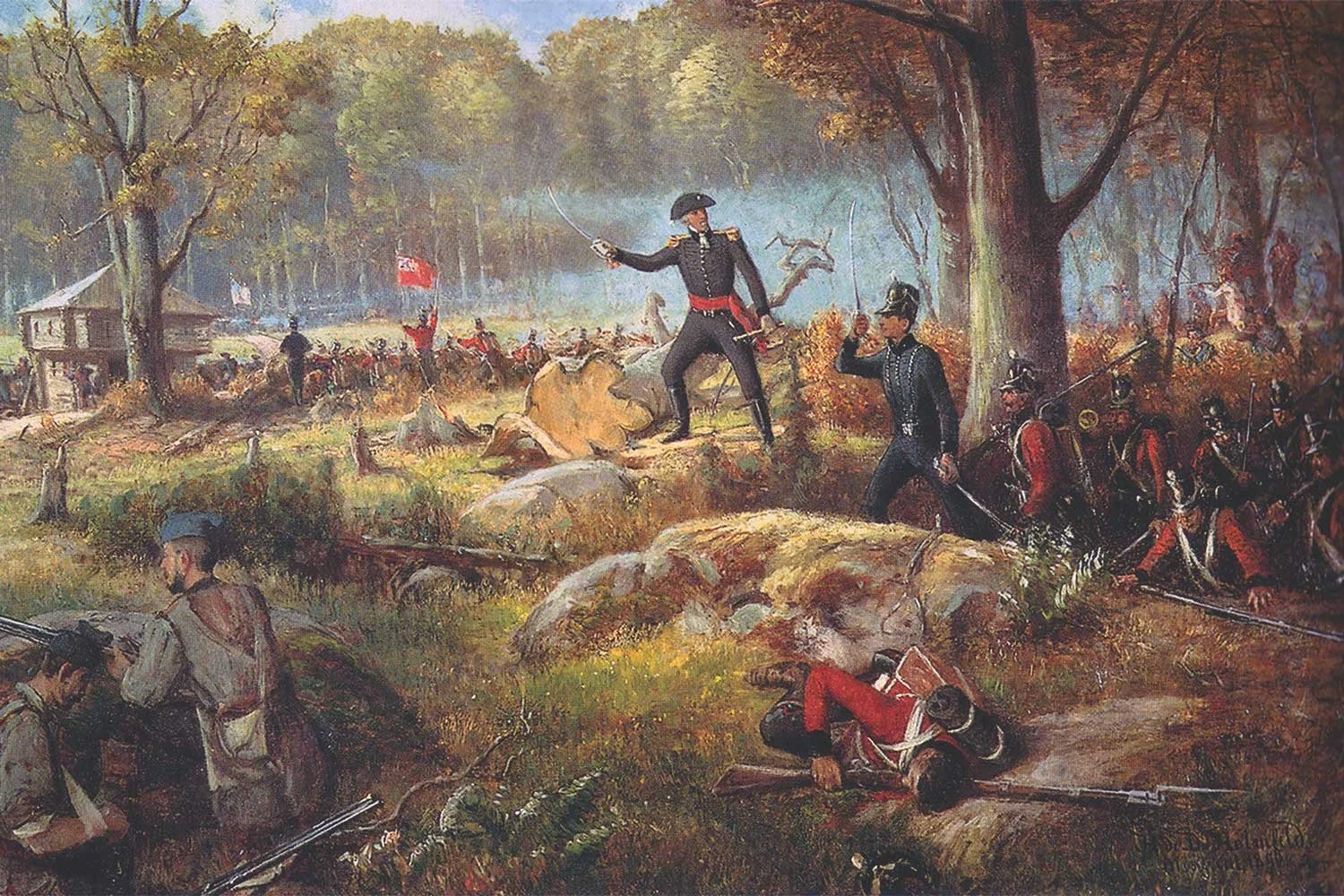
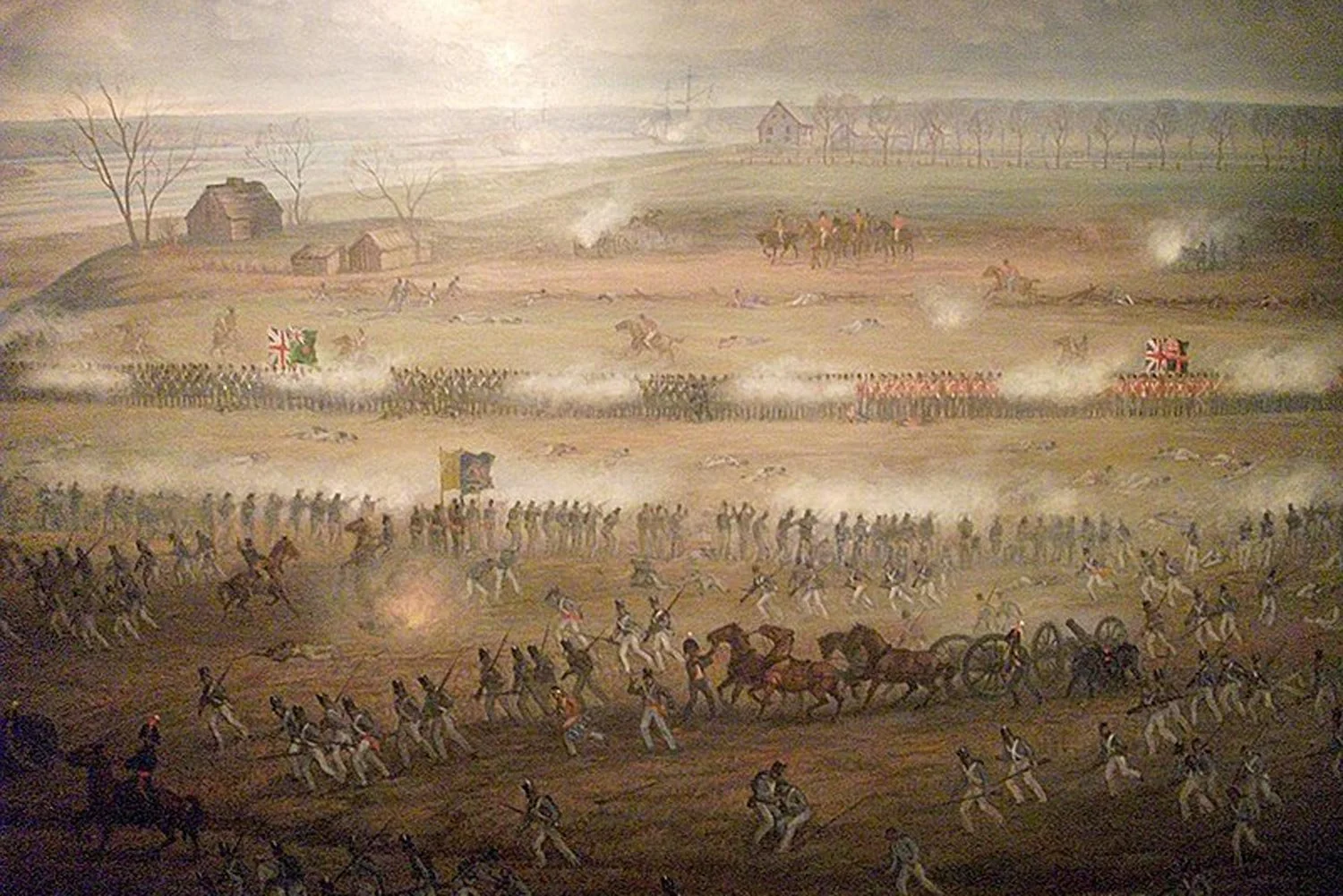
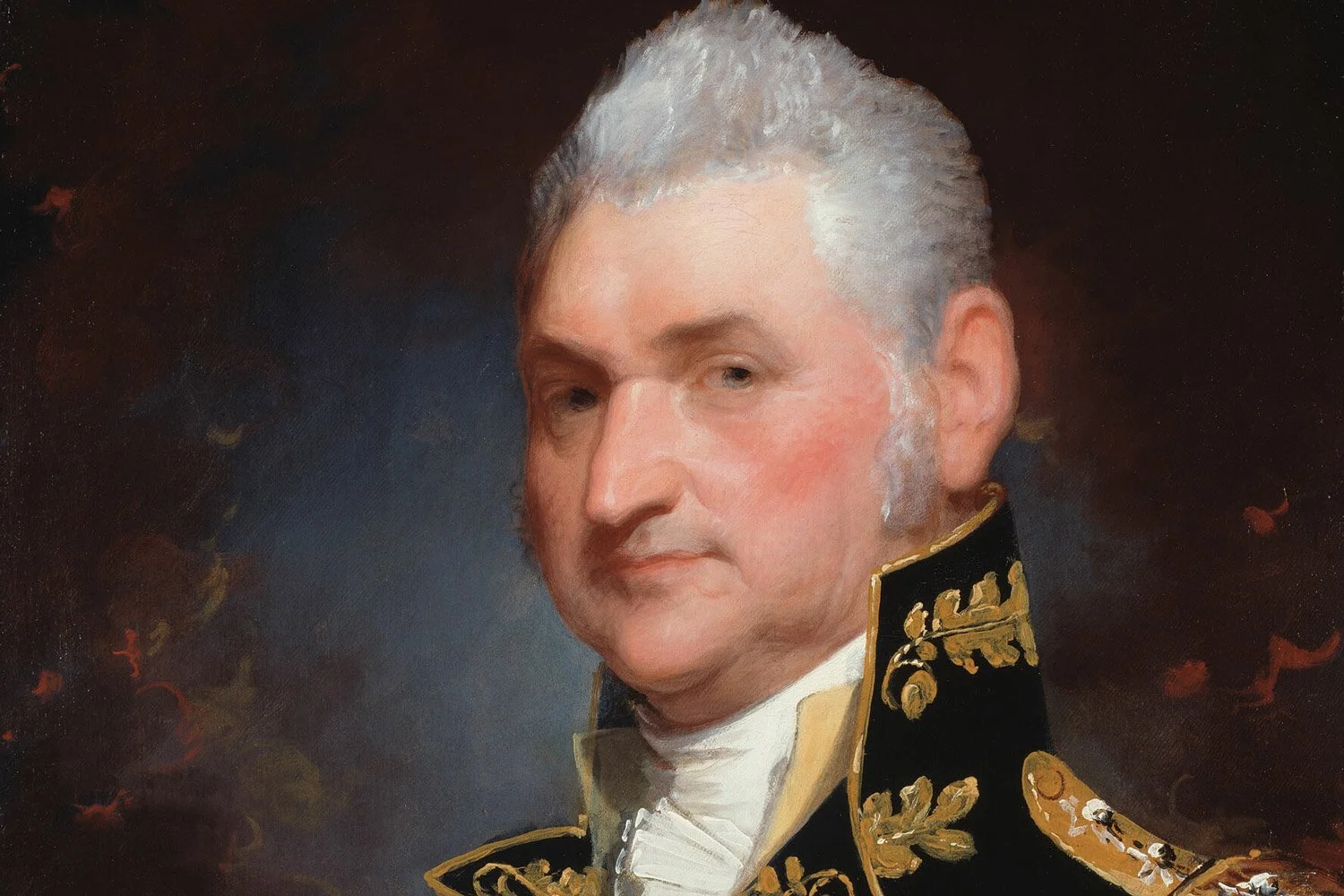
In July 1813, Secretary of War John Armstrong chose General James Wilkinson to lead the northern army and General Wade Hampton to command a contingent at Burlington on Lake Champlain. The plan was for Wilkinson and Hampton to join forces above Montreal and then assault the city. It was an interesting choice, as Hampton and Wilkinson were bitter enemies, and yet the two generals would have to work hand in hand for the campaign to be successful. Concerned that his generals would fight themselves as much as the British, Secretary of War John Armstrong transferred his headquarters to Sackett’s Harbor to act as a buffer between the two antagonists. In late September, Hampton established his base camp at Four Corners near the Chateaugay River, a tributary of the St. Lawrence. From this strategic position, Hampton could threaten both Montreal and the British line of communication with Upper Canada. On October 18, Hampton headed down the Chateaugay River to confront a 1,500-man British army.
Tom Hand, creator and publisher of Americana Corner, discusses what happened at the Battle of Chateaugay and why it still matters today.
Images courtesy of National Portrait Gallery - Smithsonian Institution, New York Public Library, McCord Stewart Museum, Brown University Library, Wikimedia.
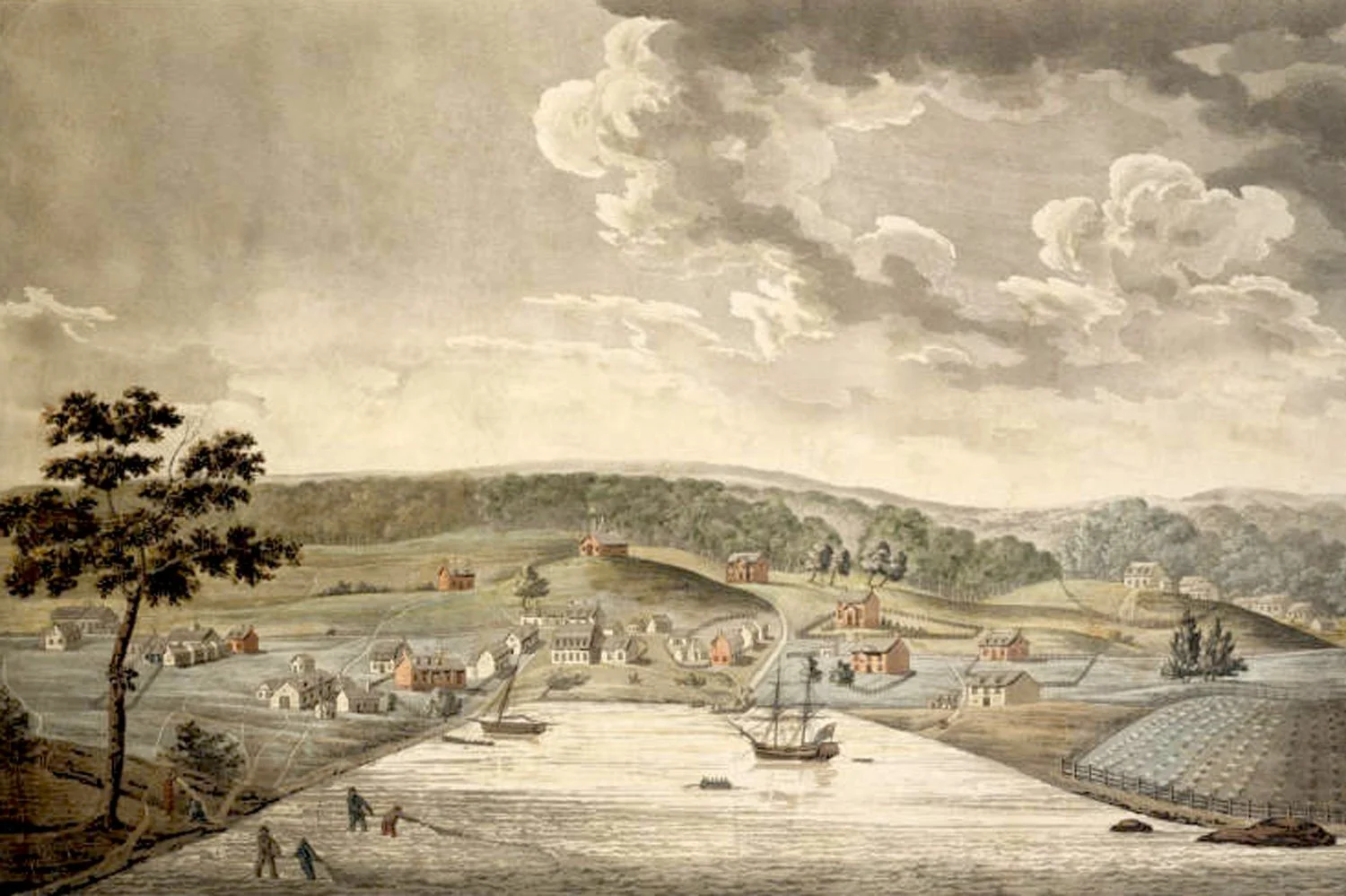

The War of 1812 was arguably the most partisan war in our nation's history, with virtually all Federalists across the country opposing what they dubbed “Mr. Madison’s War” and all Republicans supporting it. This difference in sentiment was pronounced and led to many ugly confrontations such as the Baltimore riots of 1812. But nowhere was opposition to the war more strongly manifested than in New England, the last bastion of the Federalist party.