
War of 1812, Part 42: The Battle of New Orleans
After two weeks of fighting, General Edward Pakenham and his polished British veterans had gotten nowhere against General Andrew Jackson’s roughhewn American army. Unable to bear the shame of what they might say back in London if he retreated, General Pakenham decided to risk it all on one final assault. Pakenham ordered Colonel William Thornton to cross to the west side of the Mississippi to turn Jackson's flank, while another British column attacked the main line. Thornton’s role was key to the plan’s success, but due to countless issues, Thornton did not reach his destination until the outcome of the main battle had already been decided. Shortly after midnight on January 8, 1815, General John Keane and General Samuel Gibbs moved their divisions quietly forward to within several hundred yards of the American position. As morning dawned, nothing was heard from Thronton across the river. At this point, General Pakenham should have called off the attack and waited for another day, but he felt compelled to take his chances and gave the order to advance.
Tom Hand, creator and publisher of Americana Corner, discusses the Battle of New Orleans and the events that shaped our nation’s history.
Images courtesy of Library of Congress, Tennessee Virtual Archive, World History Encyclopedia, Brown University Library, Smithsonian Institution, Naval History and Heritage Command, Wikimedia.
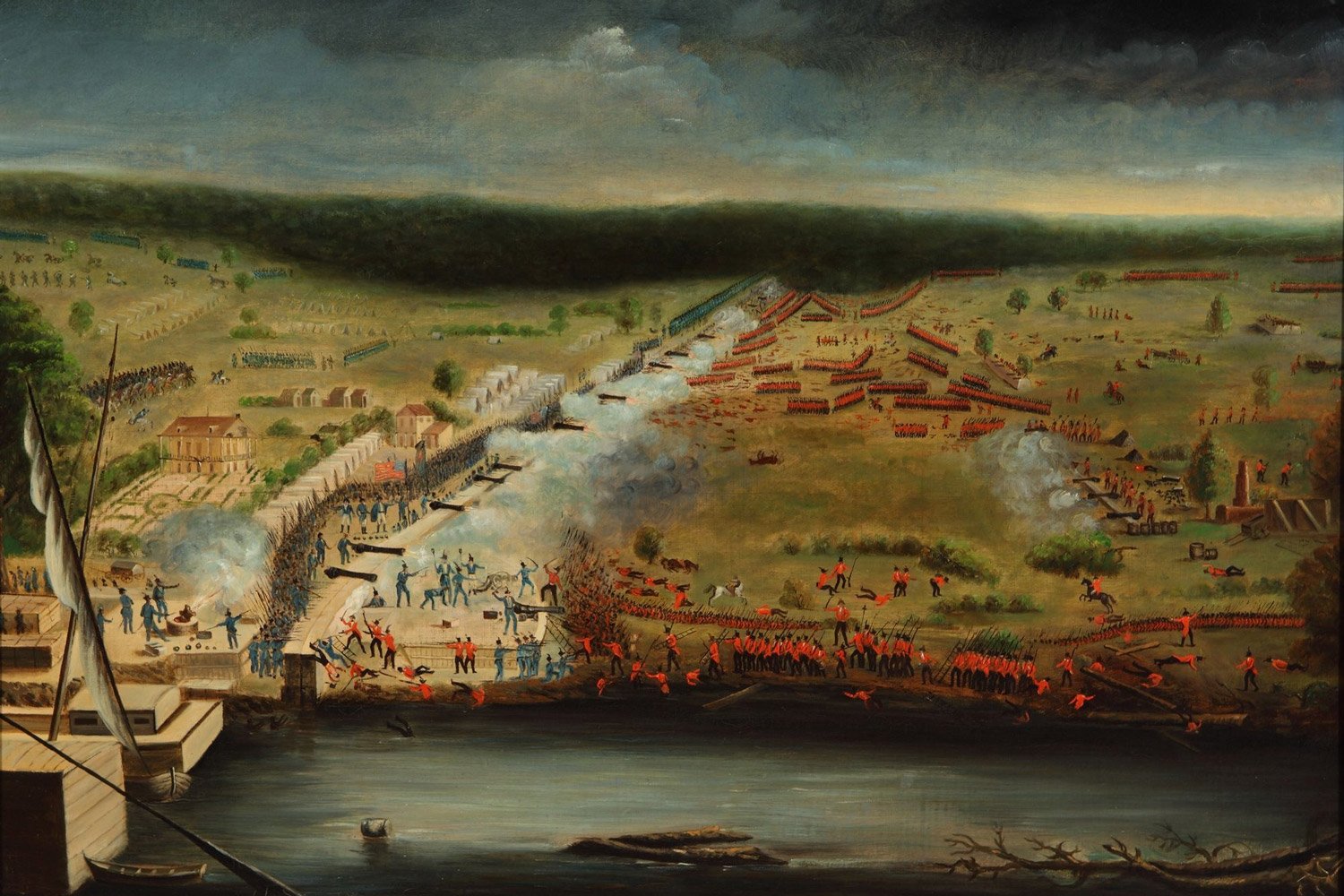
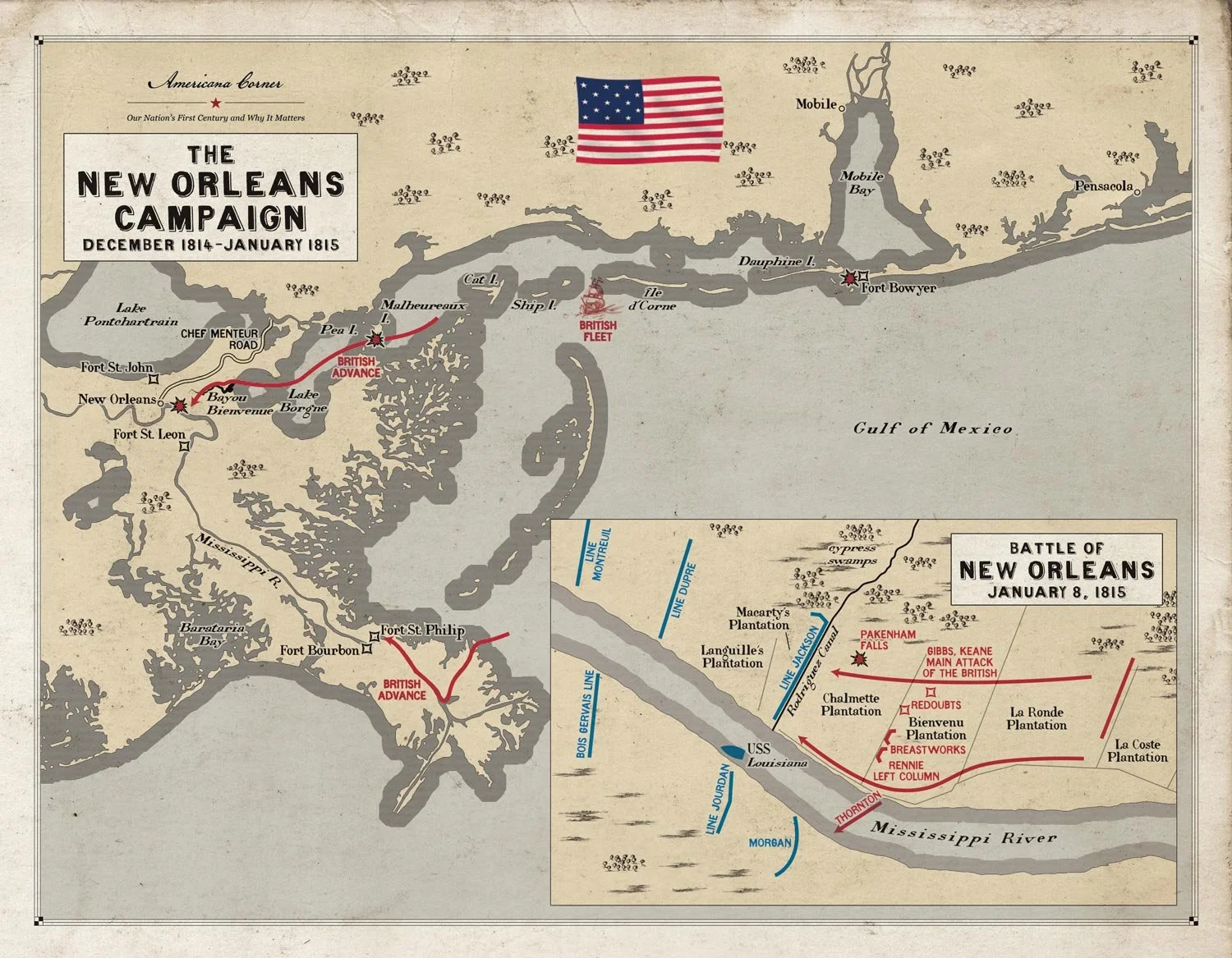
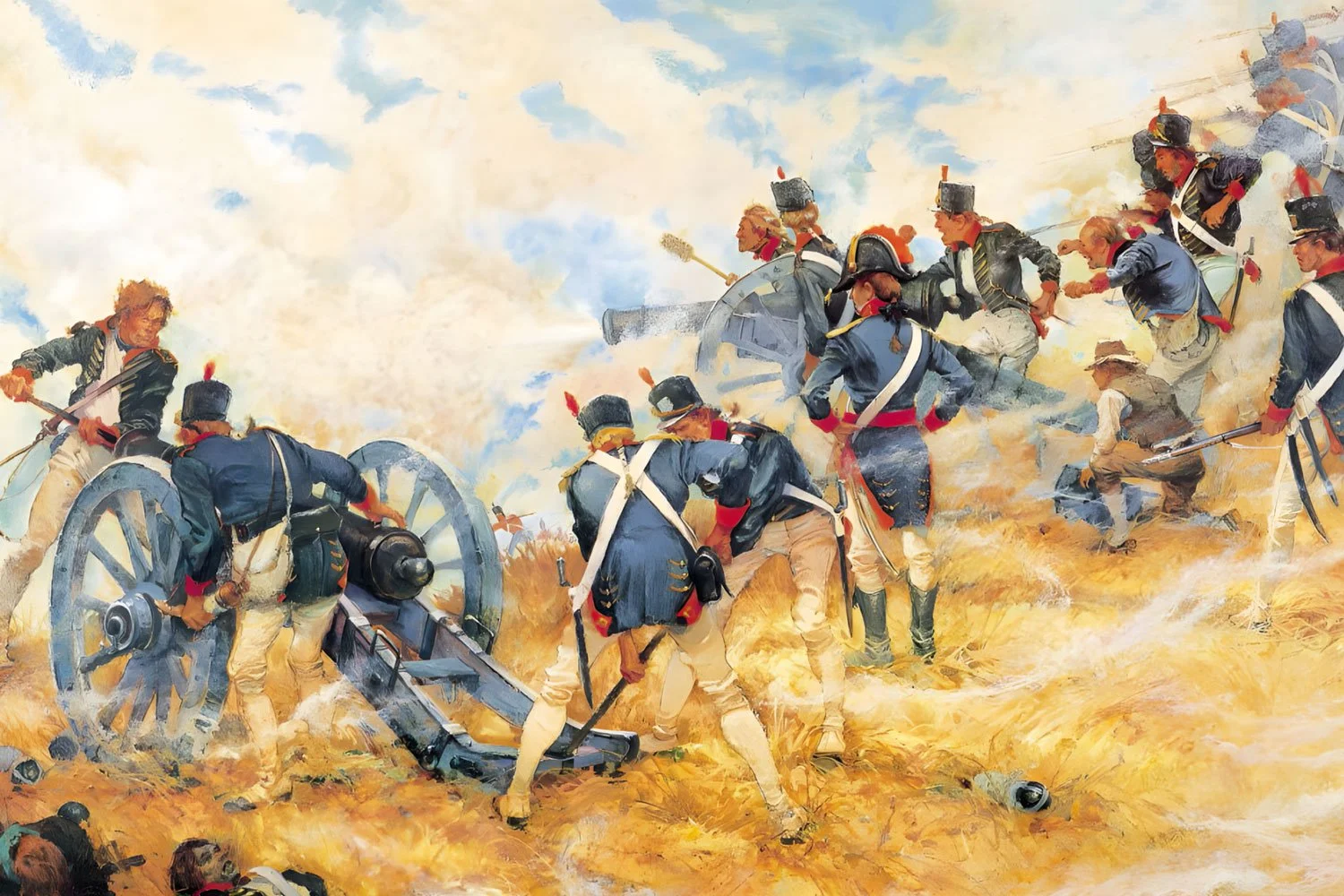

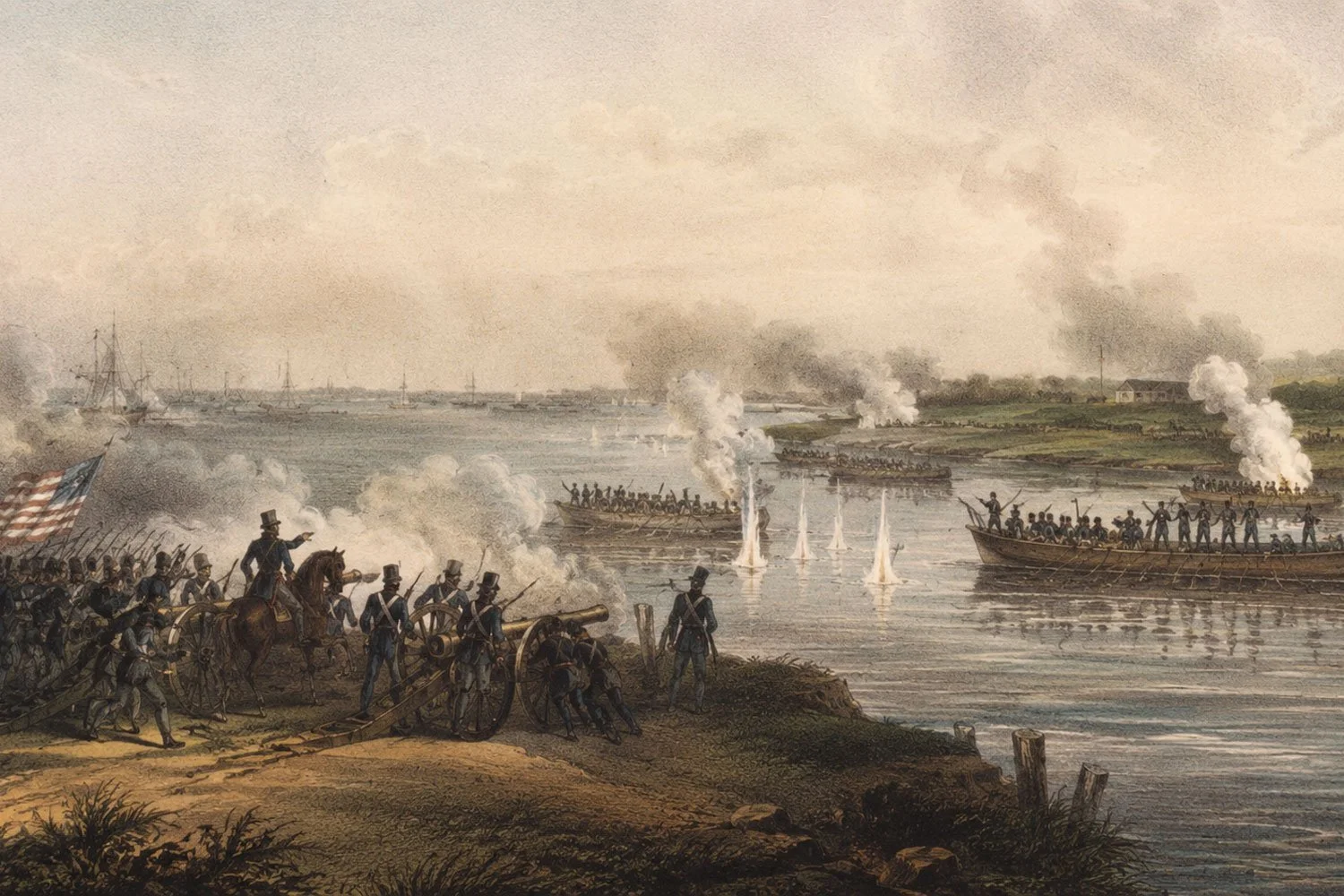
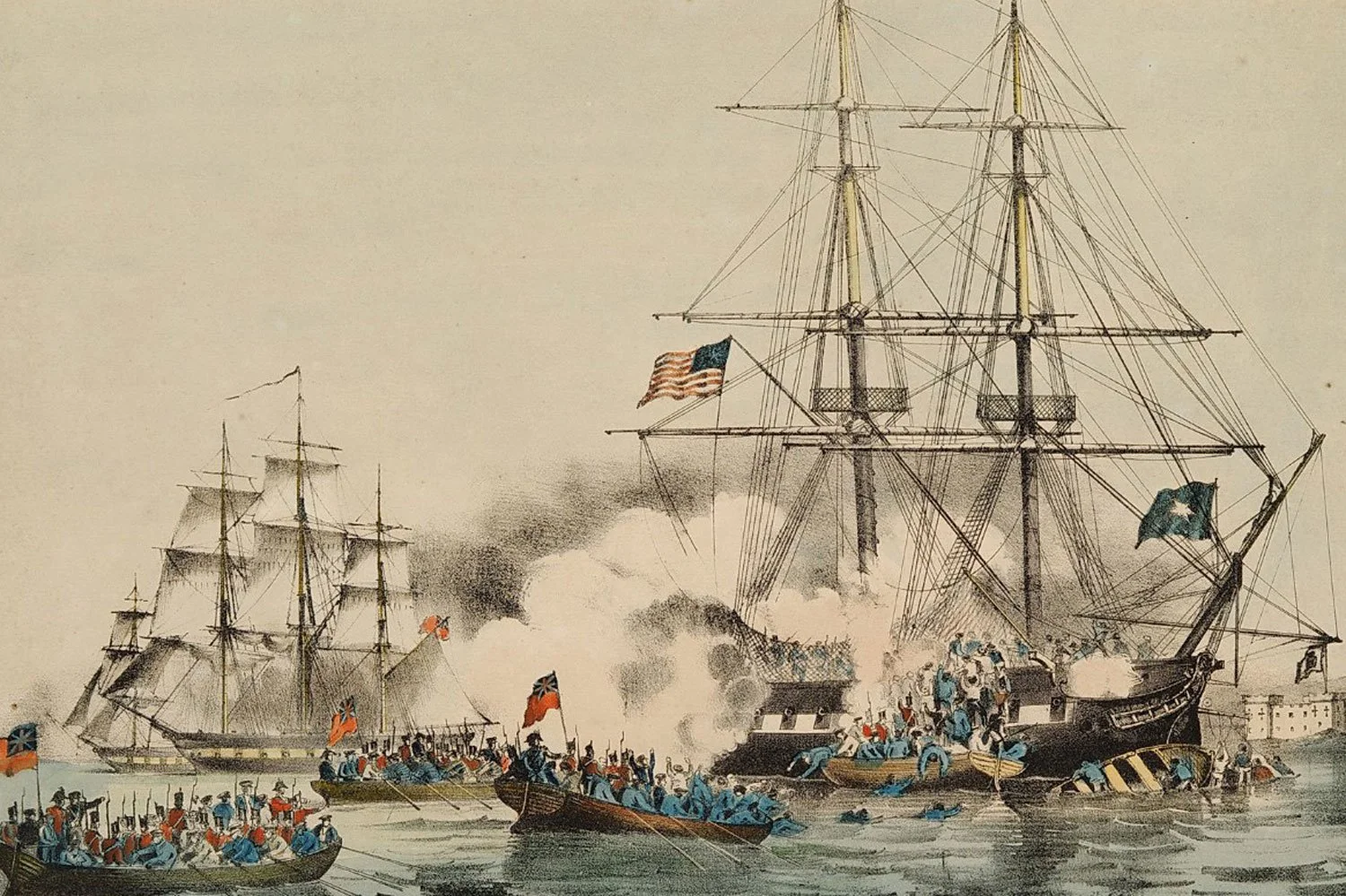
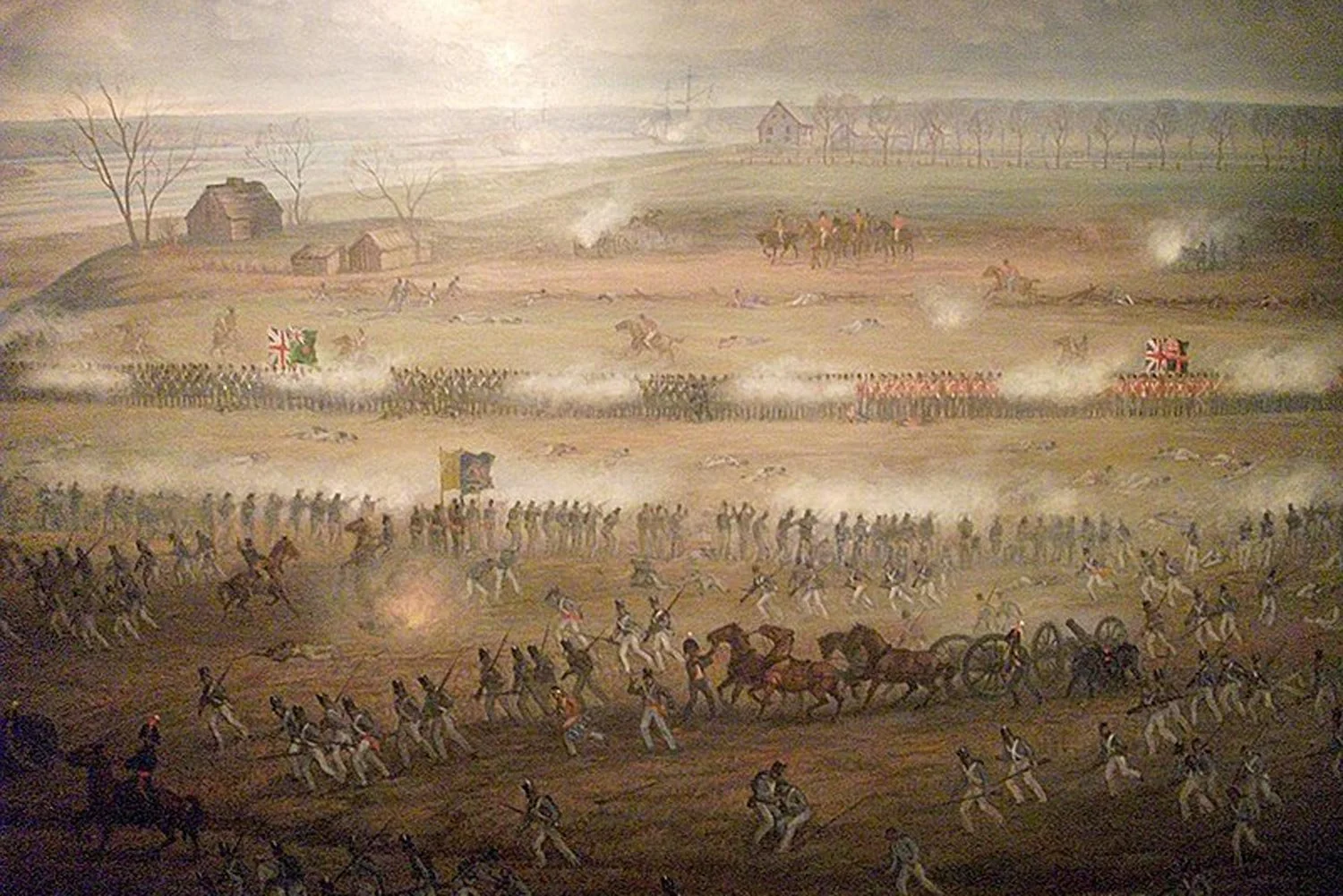
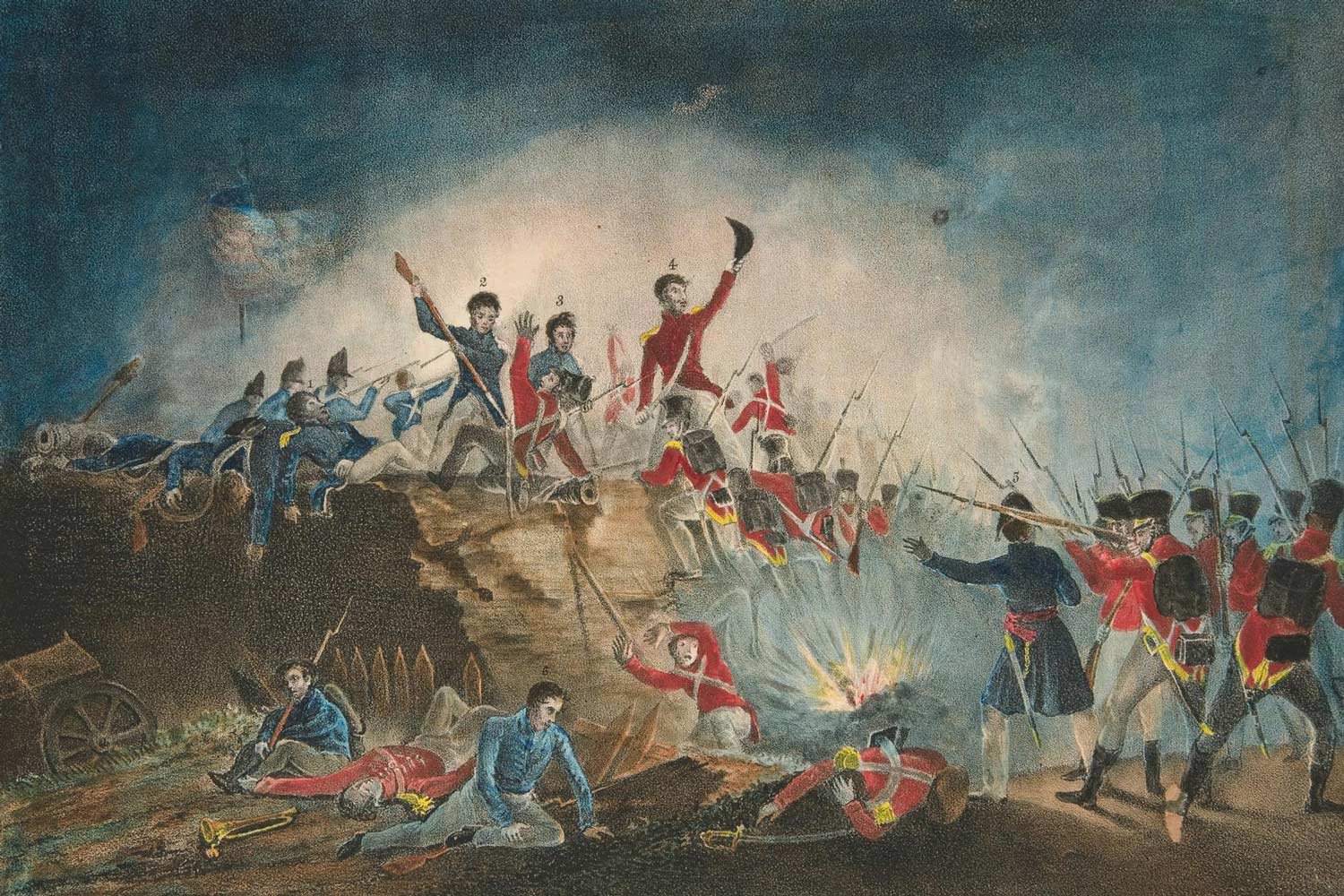
The Battle of New Orleans was really a series of four fights, three of which were already in the books: Jackson's surprise attack on December 23, the failed British assault on December 28, and the artillery duel on New Year's Day. But the one that has been taught to generations of Americans and is best remembered was the fatal attack by British General Sir Edward Pakenham on January 8, 1815.