
War of 1812, Part 39: The Creek Indian War
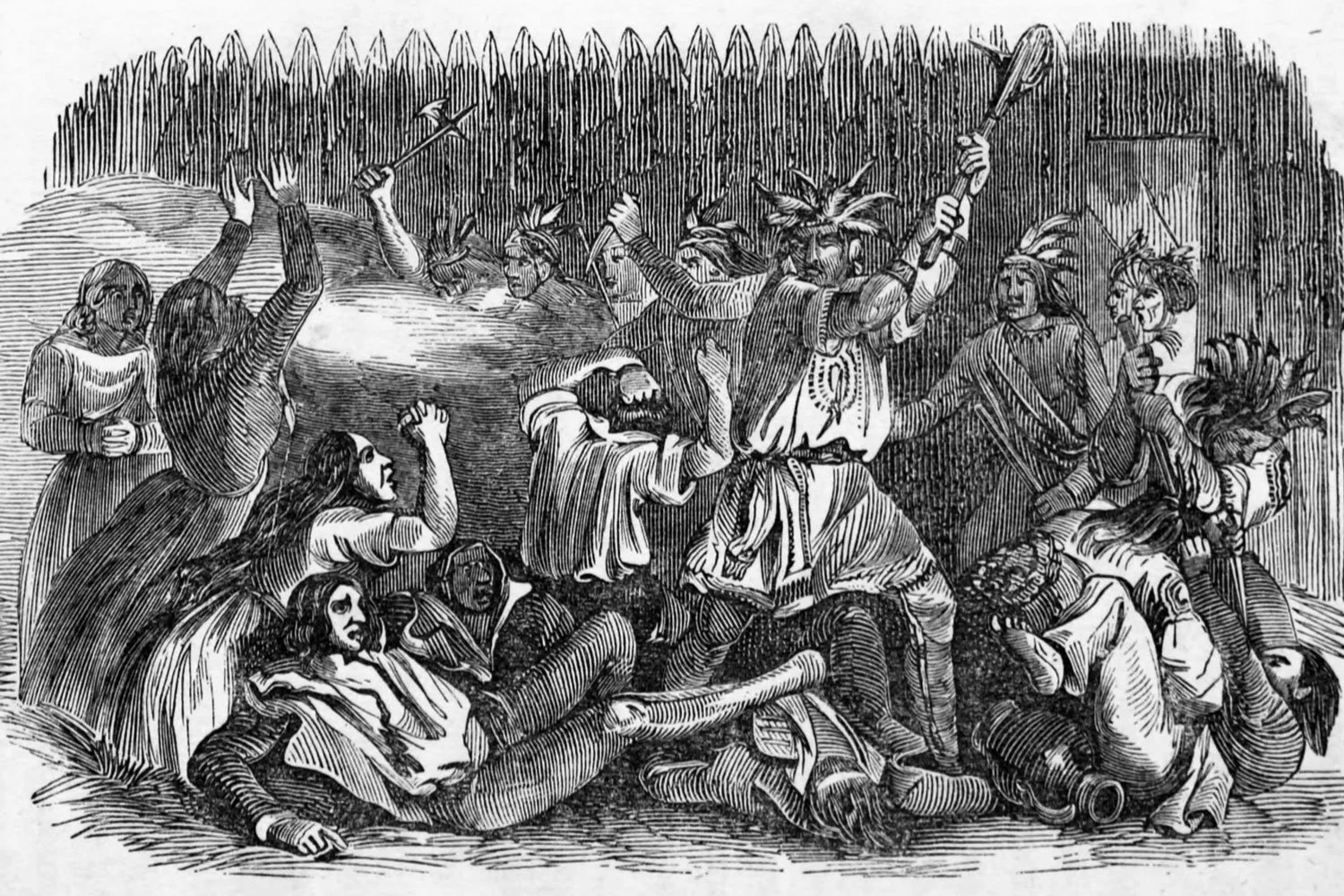
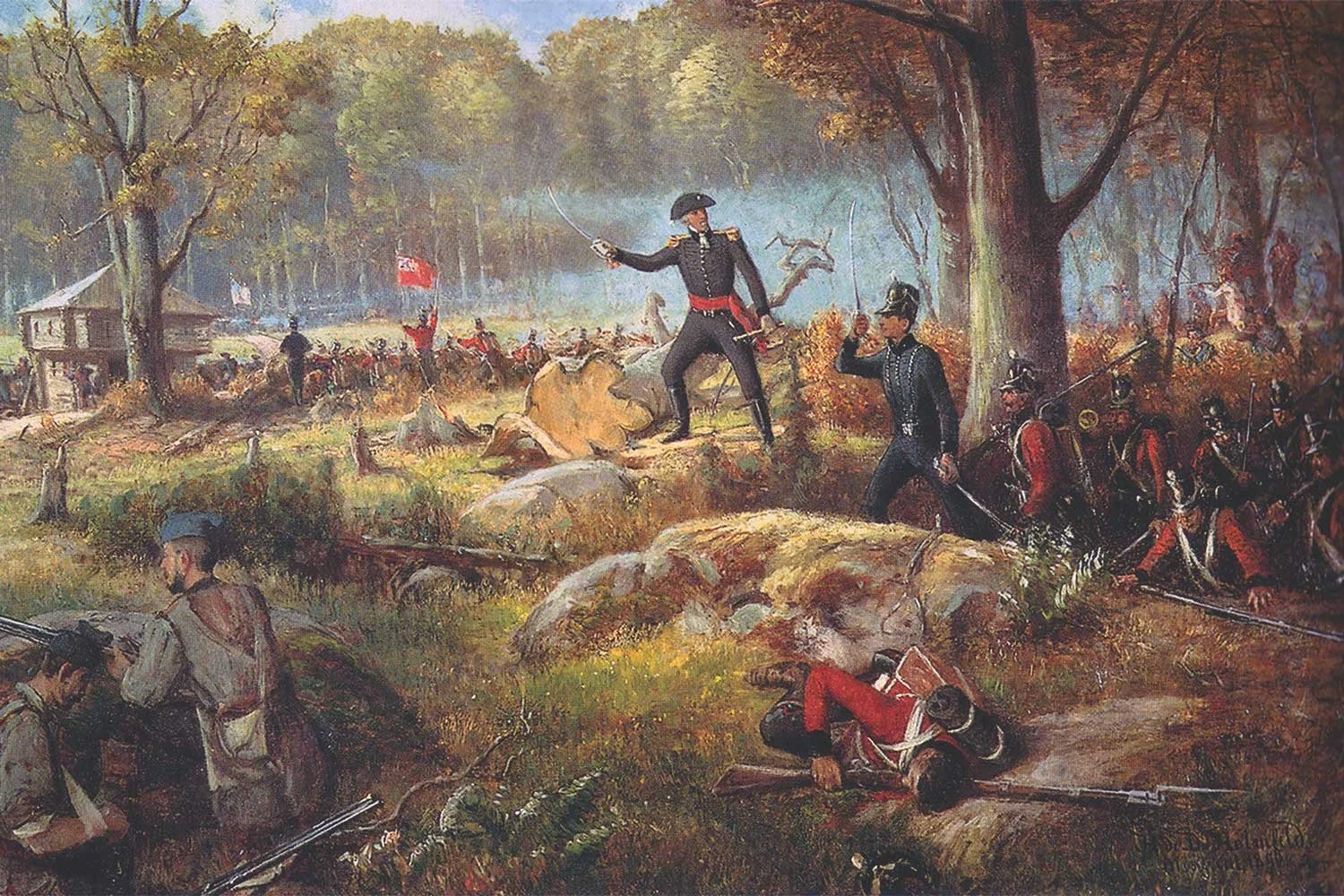
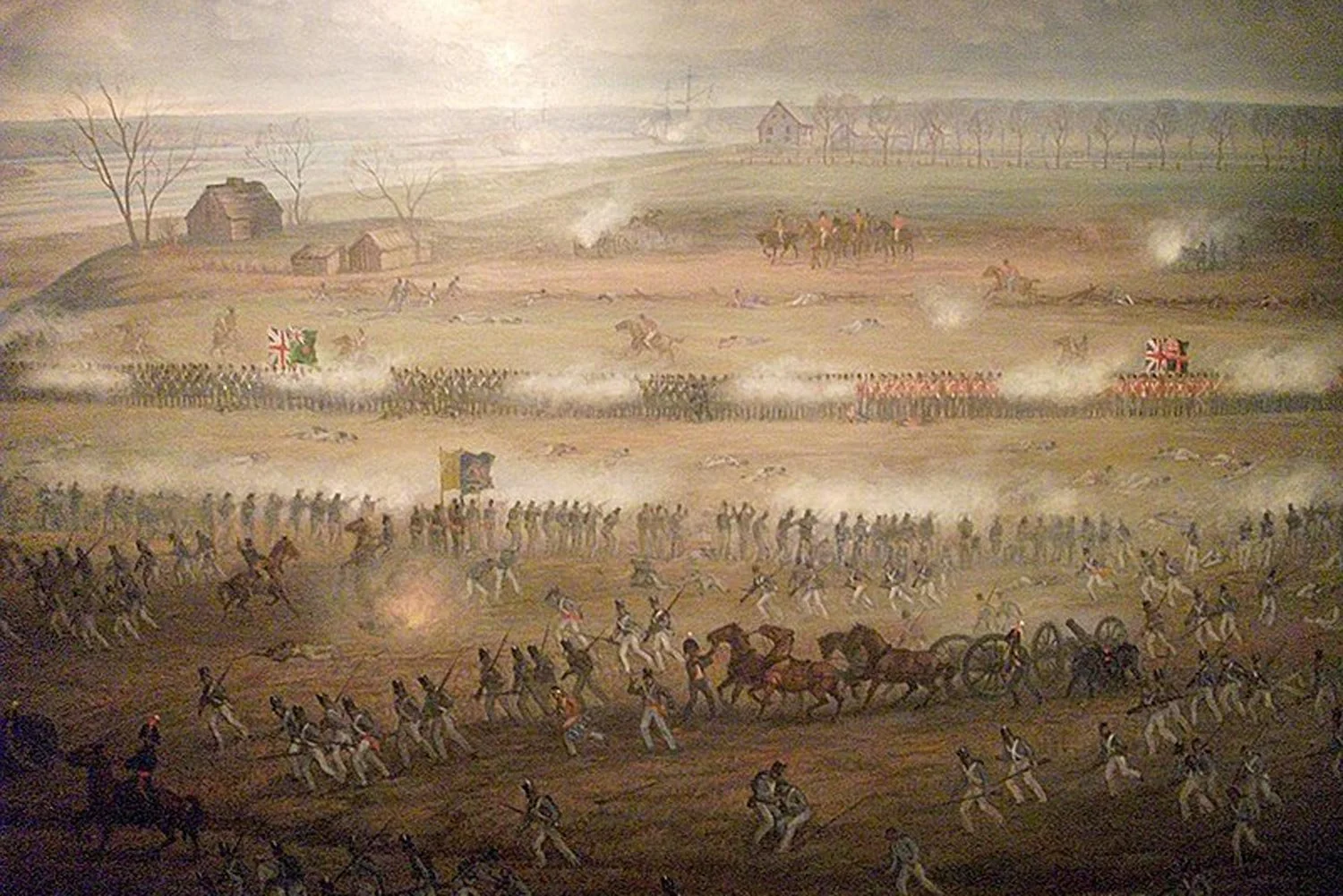
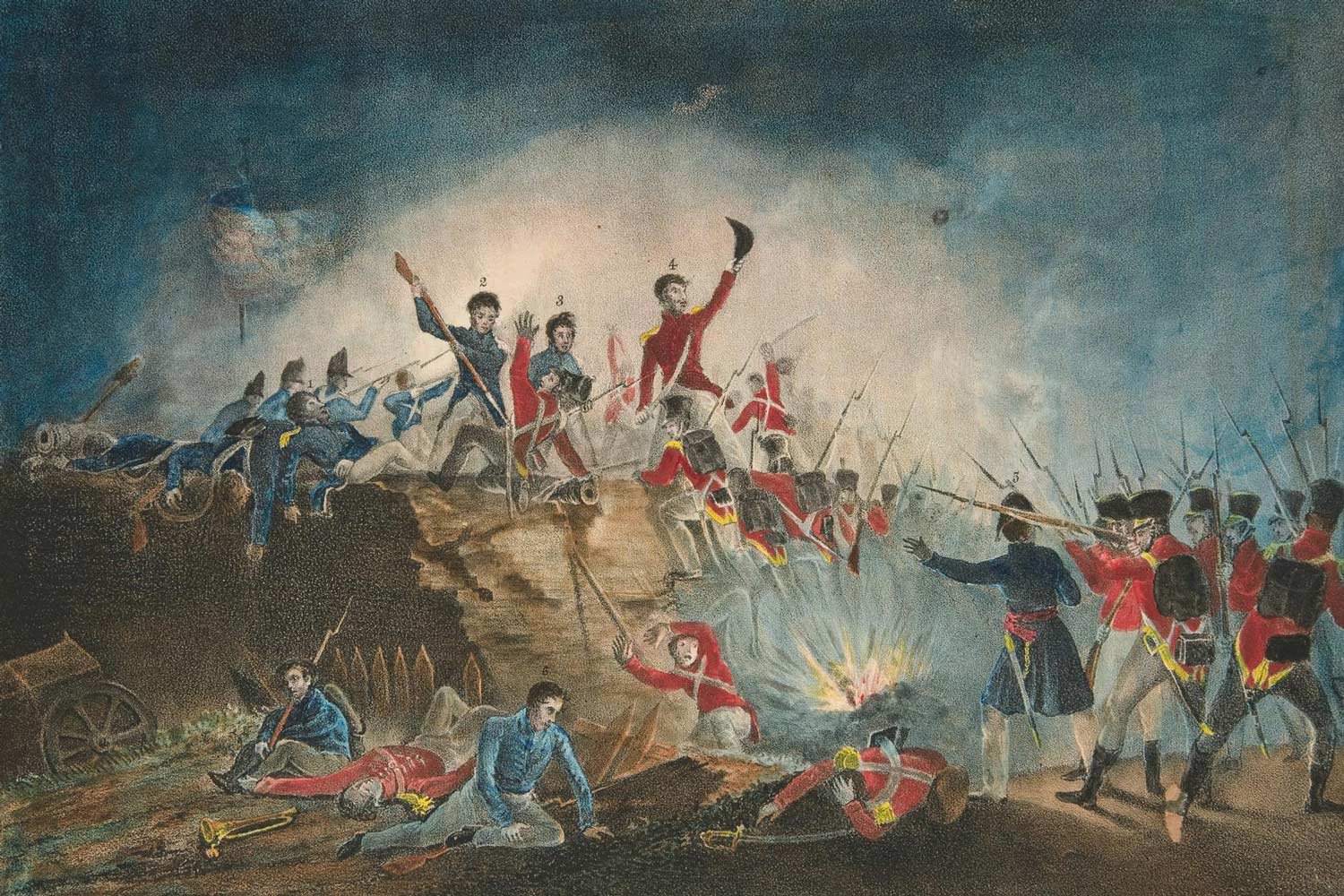
In 1812, the Creek, or Muskogee, Indians occupied much of today’s Alabama and southwest Georgia and enjoyed good relations with the United States. Its population was estimated at 20,000, a quarter of which were fighting age warriors. In early 1813, a civil war erupted between the Upper and Lower towns with warriors from the Upper towns taking up the “red stick,” or war club, against American settlers leading to the massacre of Fort Mims, while those in the Lower towns maintained their allegiance to the federal government. After months of fighting, led by General Andrew Jackson, the Battle of Horseshoe Bend was a crushing defeat that both avenged the massacre at Fort Mims and marked the end of Creek resistance. Jackson forced the remaining Creeks, many of whom had sided with the Americans during the war, to sign the Treaty of Fort Jackson, which appropriated to the federal government most of the Creek nation, over 23 million acres.
Tom Hand, creator and publisher of Americana Corner, discusses the Creek Indian War and the events that shaped our nation’s history.
Images courtesy of Library of Congress, Encyclopedia of Alabama, Yale University Art Gallery, New York Public Library, Tennessee State Library and Archives, Tennessee Virtual Archive, Wikimedia.
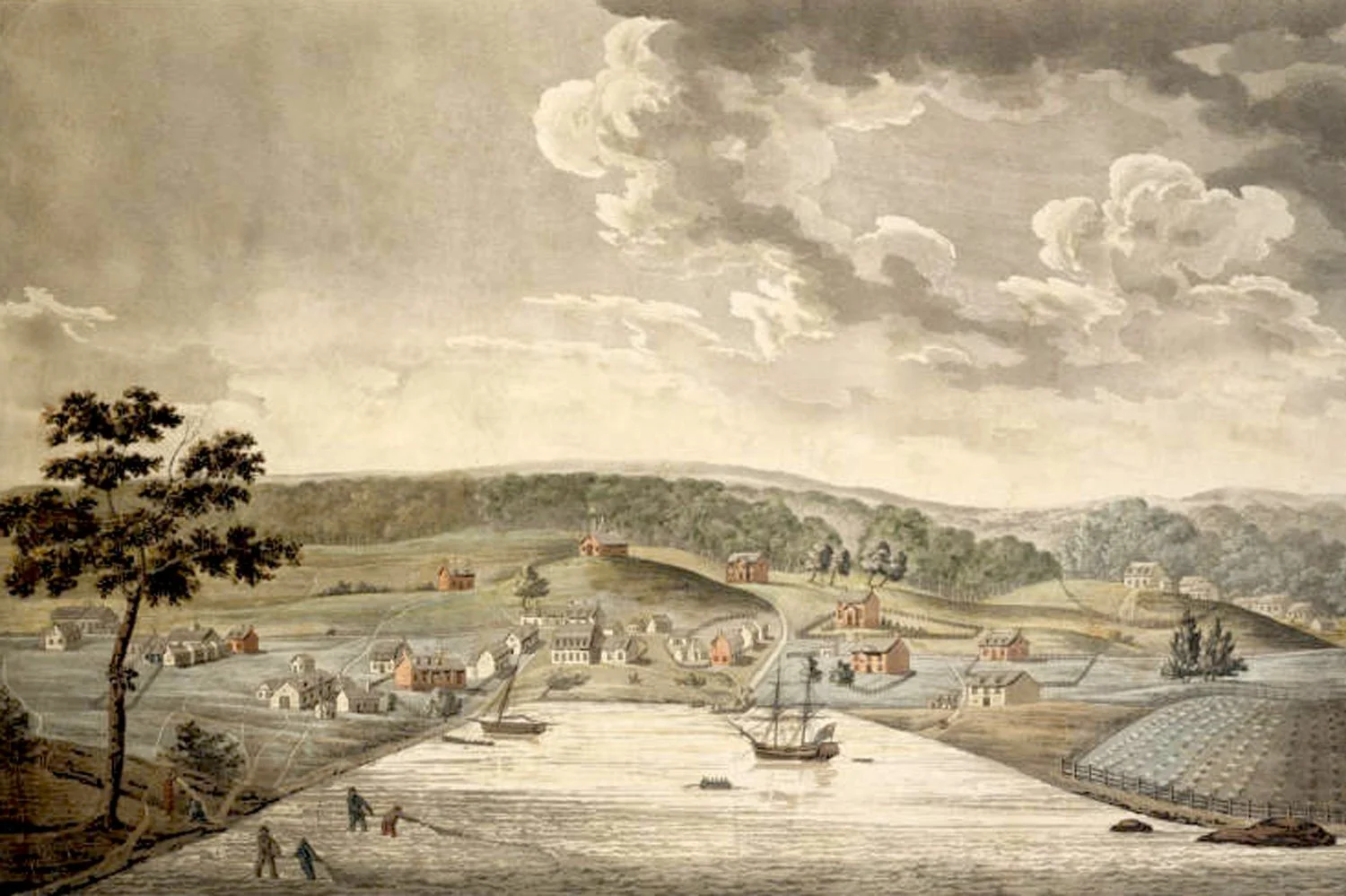



In 1812, the Creek, or Muskogee, Indians occupied much of today’s Alabama and southwest Georgia, roughly 300 square miles from the Tennessee River to the Gulf of Mexico. The Creeks enjoyed good relations with the United States largely due to a benevolent policy established by President George Washington to interpose the federal government between the Indians and land-hungry Georgians. But despite these restrictions, the federal government was helpless to prevent Americans from trespassing onto Creek lands.